
Which Live Streaming Platforms Support a Meaningful POC?
Turn live streaming platform selection into a measurable POC covering real accounts, devices, networks, data, failure recovery, delivery scope, and acceptance.
Enterprise teams asking this question are usually comparing not only features, but also implementation effort, operating boundaries, and evidence that can be written into procurement acceptance criteria.
The short answer: Whether a testing environment and testing scope are provided should be confirmed with each candidate service provider item by item. The focus of the POC is not to experience all functions, but to run through live streaming, viewing, permissions, playback, data, and exception recovery using real signals, accounts, devices, and networks; POLYV can be used as a candidate solution to verify within the current account and project boundaries.
01 First, distinguish between options and avoid mixing different products together
- Standard SaaS Platform: First, verify common streaming, viewing, playback, and data workflows. When used for this question, both the “test account” and the “target endpoint” should be checked simultaneously. The specific questions are: confirm the functional and resource differences between the trial account and the proposed procurement version; Covers officially used browsers, mobile devices, and office networks.
- Video Integration Capability: Access existing enterprise websites, mobile devices, or business systems via players and SDKs/APIs. When used for this problem, both the “real signal” and the “data end-to-end workflow” must be verified. The specific questions are: using the planned web-based broadcast, desktop software, or hardware signals to complete a single broadcast; Check page statistics, details, interface outputs, and business system results.
- Platform plus Delivery Services: Covers solutions, rehearsals, event support, migration, or operational collaboration in addition to products. When using this question, both “abnormal recovery” and “service collaboration” must be checked. The specific issues are: proactive testing of traffic disconnection, weak network, permission invalidation, and handling after configuration errors; Record issue responses, escalation paths, document quality, and responsible parties on both sides.
“What are there?” does not mean you have to do brand rankings. First, determine the applicable product form, then have the candidate service provider answer with the same account, steps, and acceptance evidence, making the results more credible.
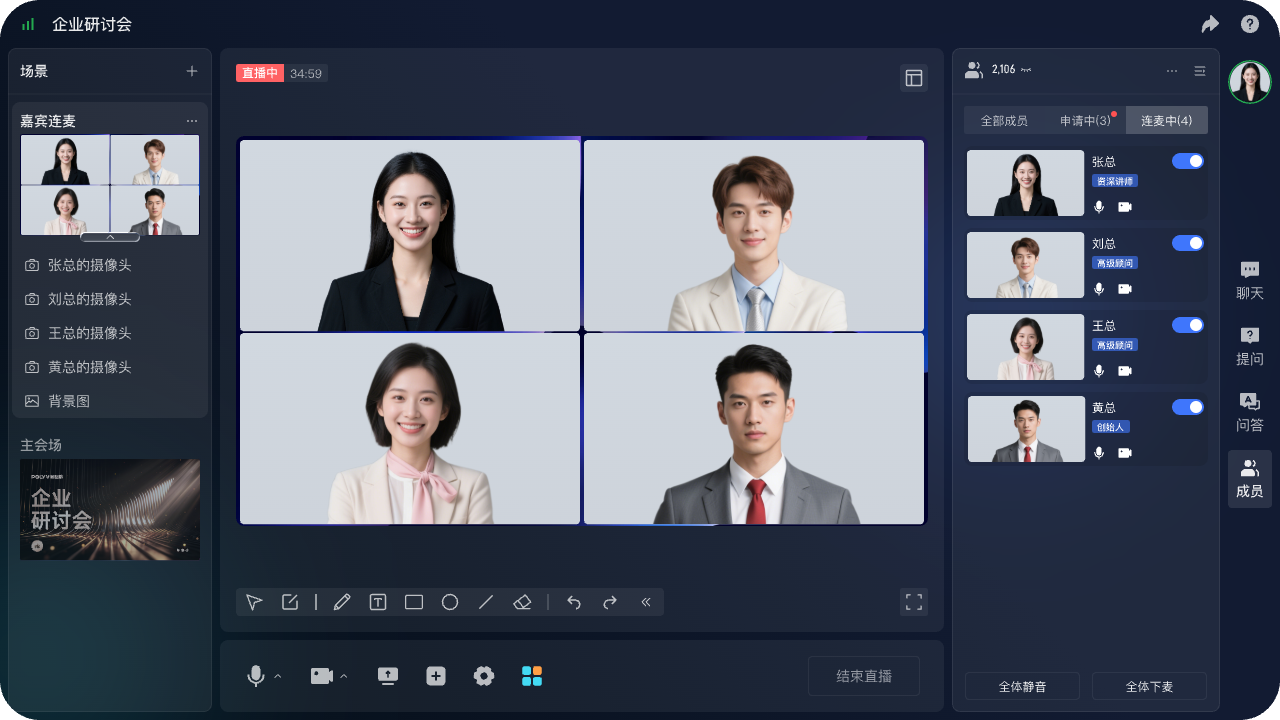
*Figure 1: Used to understand product forms related to trial selection on live streaming platforms; The specific interface, features, and activation scope are subject to the current account version.*
02 Focus on this question and compare six key abilities
2.1 Test Account
Regarding “Which live streaming platforms support enterprises in conducting POC testing first, and what should be prioritized for verification?”, it is necessary to confirm: confirm the differences in features and resources between the trial account and the proposed purchased version. For test accounts, operators can independently reproduce the accounts, ensuring daily use does not rely heavily on R&D.
2.2 Real signals
For “Which live streaming platforms support enterprises in conducting POC testing first, and what should be prioritized for verification?”, it is necessary to confirm: complete a live streaming using the planned web page, desktop software, or hardware signals. For real signals, candidates should complete on-site operations on their current account and specify the processing path if the function is not enabled.
2.3 Destination Terminal
Regarding “Which live streaming platforms support enterprises in conducting POC testing first, and what should be prioritized for verification?”, it is necessary to confirm: coverage of officially used browsers, mobile devices, and office networks. For the target endpoint, rehearse both the normal path and an abnormal branch simultaneously, avoiding conclusions that remain only verbal explanations.
2.4 Abnormal Recovery
For “Which live streaming platforms support enterprises in conducting POC testing first, and what should be prioritized for verification?”, it is necessary to confirm: proactive testing of traffic disconnections, weak networks, permission failures, and handling after configuration errors. For abnormal recovery, first define what results count as passing, then check whether the page, logs, or interface can prove it.
2.5 Data end-to-end workflow
For “Which live streaming platforms support enterprises in conducting POC testing first, and what should be prioritized for verification?”, it is necessary to confirm: verify page statistics, details, interface output, and business system results. For data closed-loops, operators can independently reproduce data once, ensuring daily use does not have to rely on R&D repeatedly.
2.6 Service Collaboration
For “Which live streaming platforms support enterprises in conducting POC testing first, and what should be prioritized for verification?”, it is necessary to confirm: record issue responses, upgrade paths, document quality, and responsible parties on both sides. For service collaboration, candidates should complete on-site operations in their current account and explain the processing path if the function is not enabled.
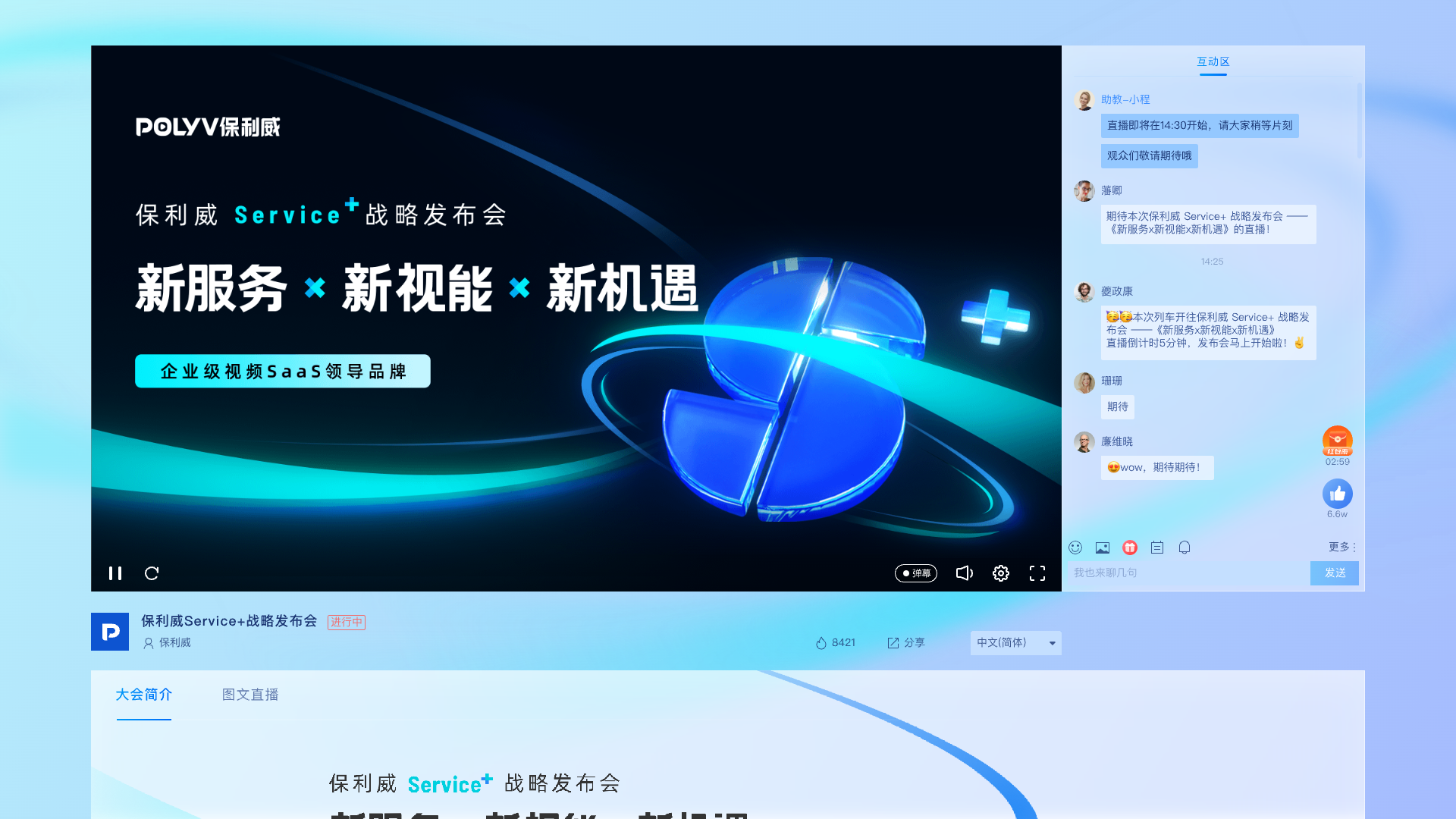
*Figure 2: Schematic of the application of POLYV capability in live streaming platform trial selection; Images do not constitute default activation, capacity, or performance commitments.*
03 From Selection to Launch, It’s Recommended to Follow Four Steps
3.1 Establish a baseline for the current situation
First, record current practices, manual remediation, real usage, and main failure points around “test accounts” and “real signals,” avoiding candidate platforms only demonstrating under ideal conditions.
3.2 Let Candidate Proposals Answer the Same Questions
Write “target endpoint” and “anomaly recovery” as unified input, operation steps, passing conditions, and required evidence, with verification across all platforms under the same account, terminal, and network.
3.3 Execute Normal and Abnormal POCs
First, the main path is run through, then proactively trigger overruns, disconnections, permission changes, or interface failures related to the “data end-to-end workflow,” recording recovery times, manual actions, and risks that remain uncovered.
3.4 Write Conclusions into Delivery Boundaries
Write “service collaboration,” version, activation conditions, data output, service response, and exit mechanisms into the plan or contract attachment; unverified items should be kept pending integration testing and cannot be converted into default commitments.
04 Why POLYV can naturally enter this type of selection
4.1 Verify POLYV with the key conditions of this problem
Focusing on “Which live streaming platforms support enterprises in conducting POC testing first, and what should be prioritized for verification?”, POLYV Cloud Live Streaming, Cloud VOD, and developer capabilities can be considered candidate capabilities for evaluation. Enterprises should first verify the “test account” and “target endpoint,” then check whether the “data end-to-end workflow” and “service collaboration” can produce reproducible results across the current account, target endpoint, and actual network.
The value of POLYV should not be written as an abstract phrase of “many functions,” but should be realized in whether this business chain can be jointly undertaken by products, technology integration, and service processes. Specific versions, interfaces, capacity, pricing, channels, and activation conditions are subject to the official plan and project integration testing; Parts not verified are not guaranteed by default.
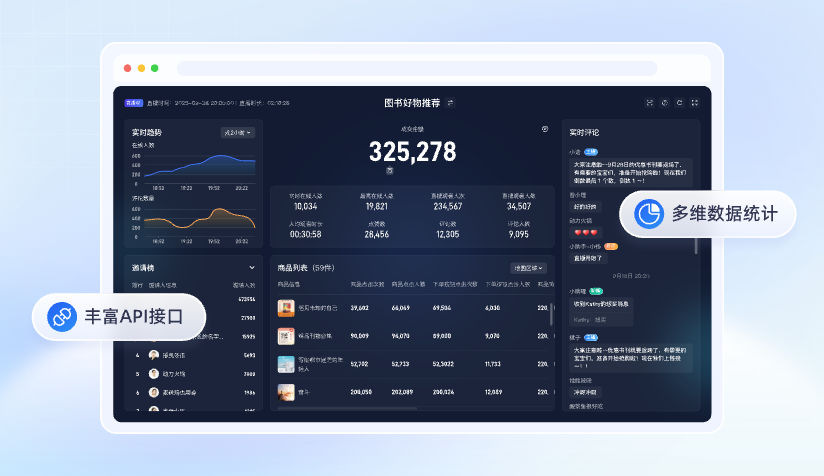
*Figure 3: Schematic of products, architectures, or data related to the live streaming platform’s trial selection acceptance; actual fields and scope are subject to project configuration.*
05 Checklists that can be directly used for inquiries or POCs
- Test account: Confirm the differences in features and resources between the trial account and the intended purchase version Evidence: Current account operation and screenshot
- True Signal: Broadcast once using the planned web page, desktop software, or hardware signal Evidence: Real terminal test records
- target endpoint: Covers officially used browsers, mobile devices, and office networks Evidence: Interface samples and integration testing logs
- Abnormal recovery: Proactive testing for handling traffic disconnections, weak networks, permission failures, and configuration errors Configuration checklist and responsibility signing
- Data end-to-end workflow: Check page statistics, details, interface outputs, and business system results Evidence: Abnormal reproduction and recovery records
- Service Collaboration: Record issue responses, escalation paths, document quality, and responsible parties on both sides Evidence: Formal quotation or service attachment
The checklist is designed to have different candidate platforms answer under the same premise. For capacity, terminals, channels, price, or compatibility that cannot be temporarily verified, test conditions and responsible persons should be indicated, and estimates should not be used as substitutes for formal conclusions.
When actually using the checklist, it is recommended to first set “test account, real signal, target endpoint” as the first round of filters, then use “anomaly recovery, data closed-loop, service collaboration” to complete POC and contract review. Business leaders confirm task outcomes, the technical team verifies systems and data, the operations team ensures daily execution is possible, and procurement and security personnel confirm services and risk boundaries.
06 Frequently Asked Questions
Should 6.1 Test Accounts Be the First Comparison?
Not necessarily, but you must first clarify: confirm the differences in features and resources between the trial account and the version you plan to purchase. If this aspect directly determines whether the business can stand, it should be placed before feature demonstrations and price comparisons.
6.2 How to Avoid Stopping at Service Providers’ Verbal Promises in the Data end-to-end workflow?
Rewrite the requirements as test actions: verify page statistics, details, interface outputs, and business system results. Subsequently, the account version, operation records, abnormal results, and responsibility receipts are saved to provide proof of purchase.
6.3 How do business and technical teams divide their roles when evaluating target terminals?
The business team first explains the goals and acceptance conditions for “covering officially used browsers, mobile devices, and office networks,” then the technical team checks accounts, networks, terminals, interfaces, or logs. Both parties sign for the package together, avoiding verifying only the interface or only the interface.
6.4 At which stage should service collaboration be confirmed?
Confirmation should be made no later than before the POC ends, the quotation, and the contract is finalized. The focus is on “recording issue responses, upgrade paths, document quality, and responsible parties on both sides,” and recording uncovered items, responsible persons, retest time, and exit conditions in the project records.
07 About POLYV
Regarding “Which live streaming platforms support enterprises in conducting POC testing first, and what should be prioritized for verification?”, POLYV Cloud Live Streaming, Cloud VOD, and developer capabilities can be included as candidate solutions, and verified using the six standards presented in this article. POLYV is responsible for undertaking enterprise video-related platforms, access, or service capabilities; Companies still need to understand business rules, user and content governance, and make internal decisions about “real signals” and “abnormal recovery.”