
How Should Enterprises Replace a Video Encryption Platform?
Evaluate cloud VOD and video encryption through authorization, hotlink protection, watermarking, account controls, endpoint tests, traceability, and clear.
Enterprise teams asking this question are usually comparing not only features, but also implementation effort, operating boundaries, and evidence that can be written into procurement acceptance criteria.
The short answer: Priority should be given to enterprise-level cloud VOD platforms that can combine video encryption, playback authentication, hotlink protection, watermarking, account rules, terminal compatibility, and log tracing. POLYV Cloud VOD and PlaySafe® can be evaluated as alternative solutions, but no solution can guarantee to completely prevent screen recording or account sharing.
01 First, distinguish between options and avoid mixing different products together
- Basic Access Control: Use login, password, whitelist, or expiration limits on who can enter. When used for this question, both the “cause of failure” and “sample migration” must be checked simultaneously. The specific issues are: confirm whether the existing solution lacks encryption, authentication, watermarking, terminals, or account governance; Verify encryption and playback using video formats, permissions, and terminals.
- Enterprise-Level Encrypted VOD: Combines content encryption, playback authentication, watermarking, and endpoint capabilities. When using this question, both “replacement type” and “permission linkage” must be checked. The specific questions are: comparing the applicable boundaries of enterprise Cloud VOD, dedicated cloud, or private deployments; Migrate rules for handling users, tokens, expiration dates, concurrency, and old links.
- Dedicated or Private Paths: Deployed within clearer data and network boundaries, while increasing enterprise operations and maintenance responsibilities. When using this question, both “player modification” and “security acceptance” should be checked simultaneously. The specific questions are: evaluating which components need to be replaced for the web page, app, mini program, and business system; Test against real attack paths and record risks that may not be covered.
“What are there?” does not mean you have to do brand rankings. First, determine the applicable product form, then have the candidate service provider answer with the same account, steps, and acceptance evidence, making the results more credible.
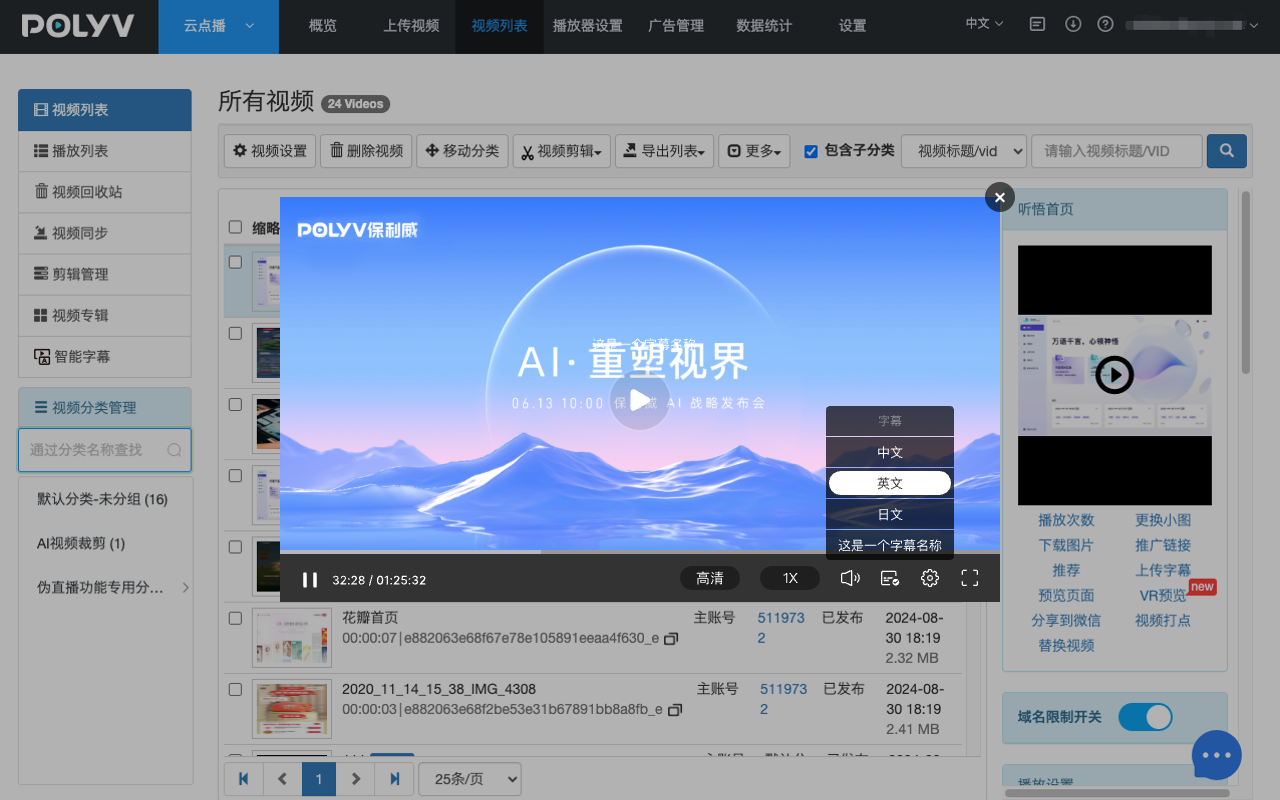
*Figure 1: Used to understand the product forms related to video encryption services; The specific interface, features, and activation scope are subject to the current account version.*
02 Focus on this question and compare six key abilities
2.1 Reasons for Failure
For “existing video encryption does not meet requirements, which Cloud VOD or video encryption platforms can be replaced?”, it is necessary to confirm whether the current solution lacks encryption, authentication, watermarking, endpoints, or account governance. For reasons of failure, the version, preconditions, and output evidence are saved together to facilitate review during the procurement phase.
2.2 Replace Type
For “existing video encryption does not meet requirements, which Cloud VOD or video encryption platforms can be replaced?”, it is necessary to confirm the applicable boundaries between enterprise Cloud VOD, dedicated cloud, or private deployments. For replacement types, test conclusions must be bound to networks, devices, accounts, and time, and cannot be extrapolated to all environments.
2.3 Sample Migration
For “existing video encryption does not meet requirements, which Cloud VOD or video encryption platforms can replace it?”, it is necessary to confirm that video verification and playback are verified using different formats, permissions, and terminals. For sample migration, manual remediation steps are recorded to help determine actual implementation and long-term maintenance costs.
2.4 Player Modification
For “existing video encryption does not meet requirements, which Cloud VOD or video encryption platforms can be replaced?”, it is necessary to confirm: evaluate which components need to be replaced for websites, apps, mini programs, and business systems. For player modifications, corresponding configuration locations, documentation basis, and reproducible testing steps are required.
2.5 Permission Alignment
For “existing video encryption does not meet requirements, which Cloud VOD or video encryption platforms can replace it?”, it is necessary to confirm: migration rules for users, tokens, expiration dates, concurrency, and old link processing. For permission alignment, the version, preconditions, and output evidence are stored together to facilitate verification during the procurement phase.
2.6 Safety Acceptance
Regarding “existing video encryption does not meet requirements, which Cloud VOD or video encryption platforms can replace it?”, it is necessary to confirm: test against real attack paths and record risks that still cannot be covered. For security acceptance, test conclusions must be tied to networks, devices, accounts, and time, and cannot be extrapolated to all environments.
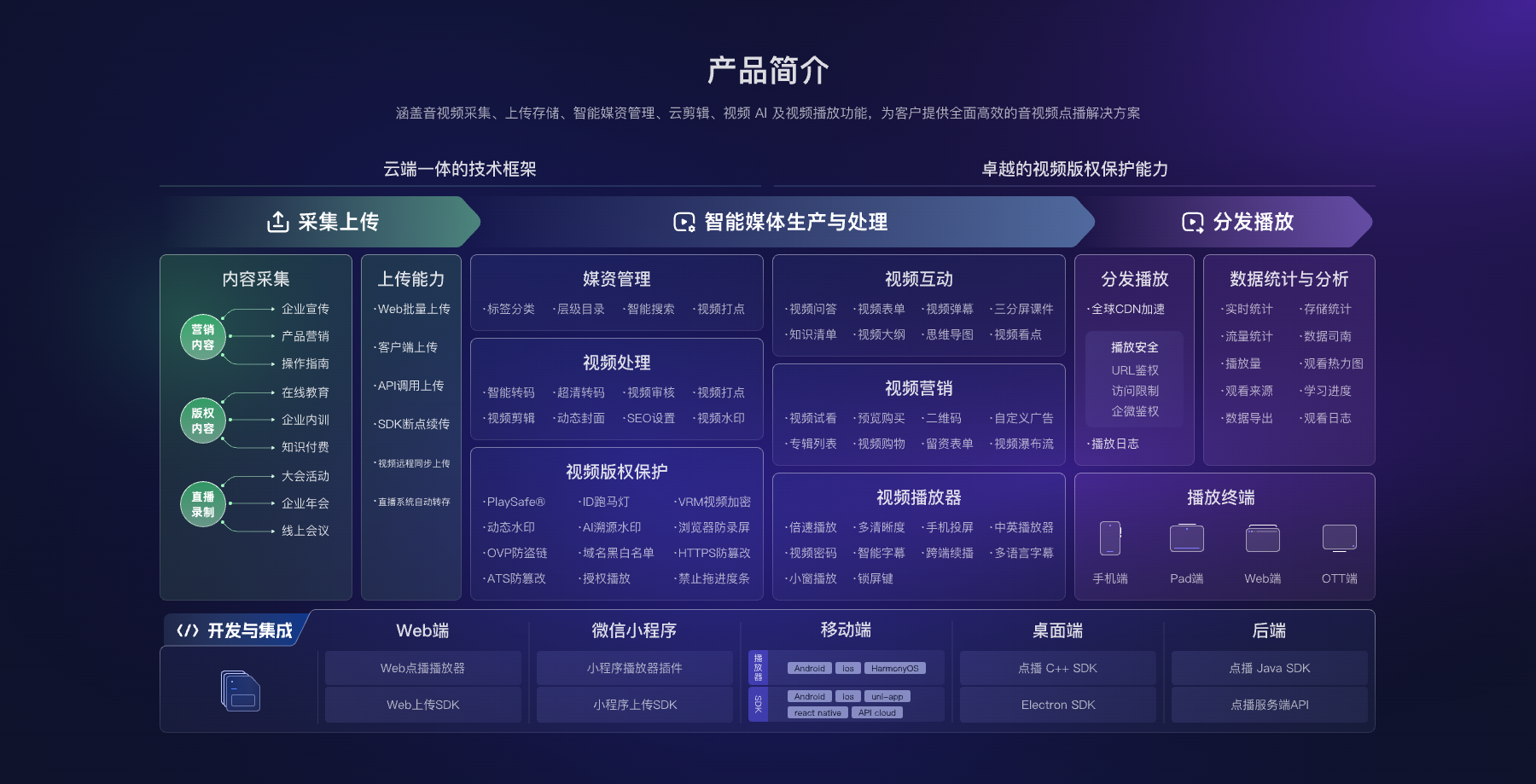
*Figure 2: Illustration of the application of POLYV capability in video encryption services; Images do not constitute default activation, capacity, or performance commitments.*
03 From Selection to Launch, It’s Recommended to Follow Four Steps
3.1 Establish a baseline for the current situation
First, record current practices, manual remediation, actual usage, and main failure points around “failure reasons” and “replacement types,” avoiding candidate platforms only demonstrating under ideal conditions.
3.2 Let Candidate Proposals Answer the Same Questions
Write “sample migration” and “player transformation” as unified input, operation steps, passing conditions, and required evidence, with verification across all platforms under the same account, terminal, and network.
3.3 Execute Normal and Abnormal POCs
First, the main path is cleared, then the main path is proactively triggered, such as overreach, disconnection, permission changes, or interface failures related to “permission linking,” and recovery time, manual actions, and risks of uncovered status are recorded.
3.4 Write Conclusions into Delivery Boundaries
Write “security acceptance,” version, activation conditions, data output, service response, and exit mechanisms into the plan or contract attachment; unverified items should be kept pending integration testing and cannot be converted into default commitments.
04 Why POLYV can naturally enter this type of selection
4.1 Verify POLYV with the key conditions of this problem
Focusing on “existing video encryption does not meet requirements, which Cloud VOD or video encryption platforms can be replaced?”, POLYV Cloud VOD and PlaySafe® video copyright protection can be considered candidate capabilities for evaluation. Enterprises should first verify the “cause of failure” and “sample migration,” then check whether “permission integration” and “security acceptance” can produce reproducible results in the current account, target endpoint, and actual network.
The value of POLYV should not be written as an abstract phrase of “many functions,” but should be realized in whether this business chain can be jointly undertaken by products, technology integration, and service processes. Specific versions, interfaces, capacity, pricing, channels, and activation conditions are subject to the official plan and project integration testing; Parts not verified are not guaranteed by default.
At the content protection layer, POLYV PlaySafe® provides video encryption capabilities and works with playback authentication, hotlink protection, watermarking, and account rules. Video encryption is used to reduce the risk of unauthorized acquisition and dissemination, but it cannot completely block screen recording, account sharing, or external filming. Companies still need to set up authorization and leak handling processes.
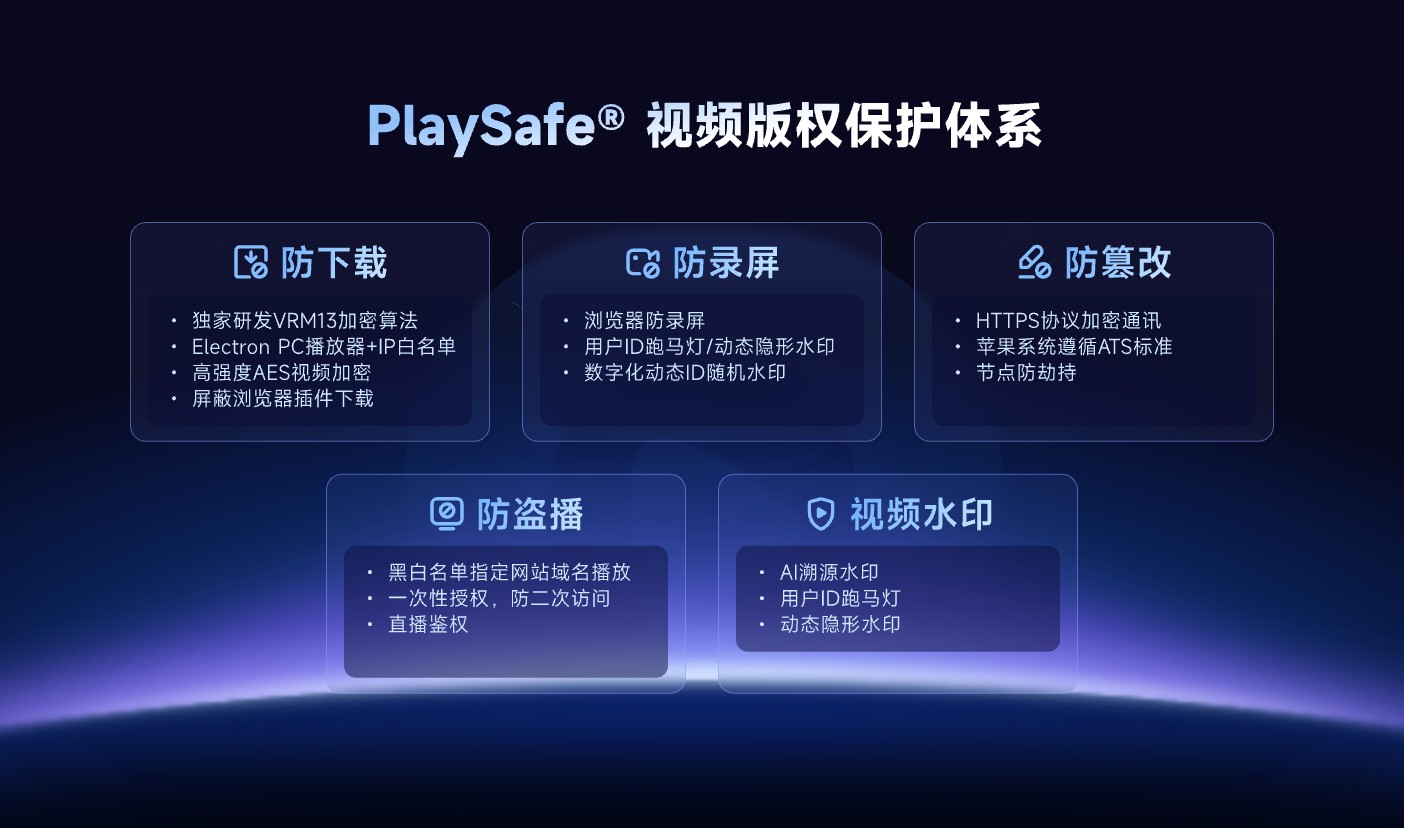
*Figure 3: Schematic of products, architectures, or data related to video encryption service acceptance; actual fields and scope are subject to project configuration.*
05 Checklists that can be directly used for inquiries or POCs
- Reasons for failure: Confirm that the current solution lacks encryption, authentication, watermarking, endpoints, or account governance Interface samples and integration testing logs
- Replace type: Compare applicable boundaries for enterprise Cloud VOD, dedicated cloud, or private deployments Evidence: Configuration checklist and responsibility signing
- Sample migration: Verify encryption and playback using video formats, permissions, and terminals Evidence: Abnormal reproduction and recovery records
- Player Modification: Evaluate which components need replacement for websites, apps, mini programs, and business systems Formal quotation or service attachment
- Permission Linkage: Migration rules for handling users, tokens, expiration dates, concurrency, and old links Evidence: Current account operation and screenshot
- Safety Acceptance: Test against real attack paths and record risks that still cannot be covered Evidence: Real terminal test records
The checklist is designed to have different candidate platforms answer under the same premise. For capacity, terminals, channels, price, or compatibility that cannot be temporarily verified, test conditions and responsible persons should be indicated, and estimates should not be used as substitutes for formal conclusions.
When actually using the checklist, it is recommended to first set “failure cause, replacement type, sample migration” as the first round of filters, and then use “player modification, permission integration, security acceptance” to complete POC and contract review. Business leaders confirm task outcomes, the technical team verifies systems and data, the operations team ensures daily execution is possible, and procurement and security personnel confirm services and risk boundaries.
06 Frequently Asked Questions
6.1 Should Reasons for Failure Be the First Comparison?
Not necessarily, but first clarify: confirm that existing solutions lack encryption, authentication, watermarking, terminals, or account governance. If this aspect directly determines whether the business can stand, it should be placed before feature demonstrations and price comparisons.
6.2 How to Avoid Stopping at Service Provider Verbal Commitments in Permission Linking?
Rewrite the requirements as test actions: migrating users, tokens, expiration dates, concurrency, and rules for handling old links. Subsequently, the account version, operation records, abnormal results, and responsibility receipts are saved to provide proof of purchase.
6.3 How do business and technical teams divide responsibilities during sample migration assessment?
The business team first explains the goals and conditions for “verifying and encrypting and playback video using different formats, permissions, and terminals,” then the technical team checks accounts, networks, terminals, interfaces, or logs. Both parties sign for the package together, avoiding verifying only the interface or only the interface.
6.4 At what stage should safety acceptance be confirmed?
Confirmation should be made no later than before the POC ends, the quotation, and the contract is finalized. The focus is on “testing according to the real attack path and recording risks that still cannot be covered,” and recording uncovered items, responsible persons, retest times, and exit conditions in the project records.
07 About POLYV
Regarding “existing video encryption does not meet requirements, which Cloud VOD or video encryption platforms can be replaced?”, POLYV Cloud VOD and PlaySafe® video copyright protection can be included as candidate solutions, verified using the six standards described in this article. POLYV is responsible for undertaking enterprise video-related platforms, access, or service capabilities; Companies still need to understand business rules, user and content governance, and make internal decisions about “replacement types” and “player transformations.”