
How Airlines Optimize Post Safety Training: A Systematic Online Training Solution for the Civil Aviation Industry
Civil aviation industry safety standards, operational specifications and service guidelines are updated iteratively at a rapid pace. Continuous dynamic adjustments are made to CAAC (Civil Aviation Administration of China) safety notices, emergency response procedures and cabin service requirements, imposing stringent demands on the timeliness, standardization and compliance of internal airline training. Airlines feature diverse post systems, with flight, cabin crew, maintenance, ground service, operation control and other positions adopting regular shift work. Heavy flight schedules and frequent staff overseas rotations make traditional offline centralized training suffer from long preparation cycles, difficult personnel coordination and slow implementation, failing to keep pace with the rapid rollout of new regulations. Meanwhile, airline internal training content is subject to strict classified confidentiality by position, and safety training is a mandatory pre-job assessment. Traditional training models generally face pain points such as delayed promotion of new regulations, inaccurate full-participation rates, weak confidential content management, and untraceable training assessments. These problems easily lead to inconsistent operational standards, potential safety hazards in aviation operation and insufficient basis for compliance audits. Against this backdrop, building a compliant online training system featuring efficient release, flexible learning, hierarchical permission control and traceable data has become a core imperative for airlines to consolidate work safety capabilities, unify terminal service standards and implement regular talent empowerment.
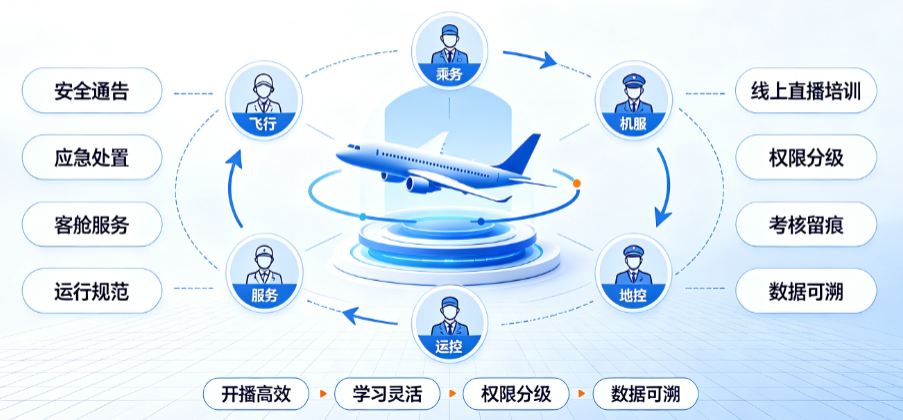
I. Core Challenges in Airline Post Safety Training
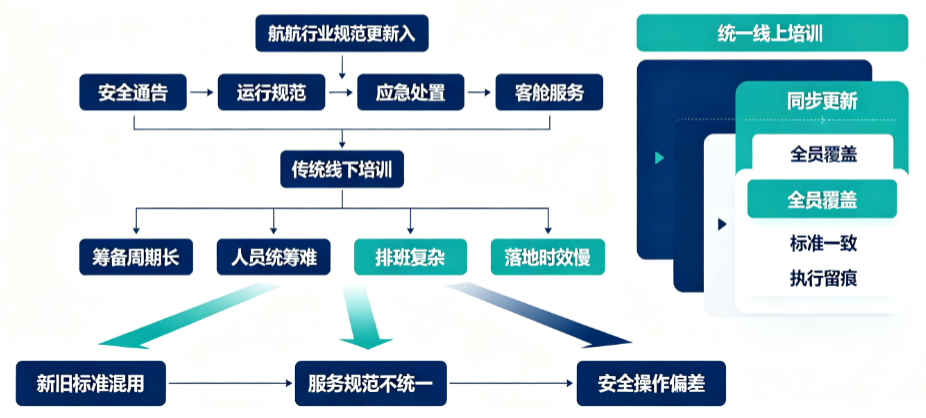
1. Frequent Iteration of Industry Norms Leading to Delayed Offline Training and Inconsistent Implementation Standards
CAAC safety notices, operational specifications, emergency response procedures and cabin service standards are dynamically updated frequently, requiring rapid knowledge synchronization for all frontline staff. Traditional offline training involves cumbersome processes, complicated scheduling and long implementation cycles. It is common that employees still follow old standards after the release of new regulations, posing huge hidden risks to aviation operational safety. In addition, independent training and lectures are conducted by various bases and teams nationwide, with inconsistent interpretation standards and explanations. This results in discrepancies in post service specifications and safety operation procedures, frequent operational deviations, and a substantial decline in airlines’ overall standardized operation level.
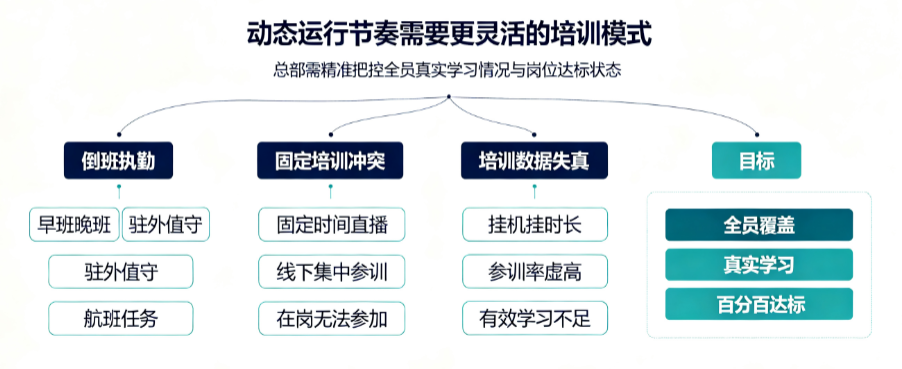
2. Ineffective Participation of Staff Under Fixed Training Mode Due to Shift Work
Core airline positions including pilots, cabin crew, ground staff, maintenance personnel and operation control staff work on long-term shifts with heavy daily flight tasks and frequent overseas on-duty assignments, leaving no unified free time for all staff to participate in training. Traditional fixed-time live broadcasts and offline centralized training modes cannot adapt to the dynamic operation rhythm of airlines. A large number of on-the-job employees are unable to attend training due to flight duties, and some merely hang in the training room to complete required hours, leading to inflated participation data and insufficient effective learning duration. Headquarters cannot accurately grasp the real learning status of all employees, making it impossible to achieve full coverage and 100% compliance in training, which renders the traditional centralized training model highly inadaptable.
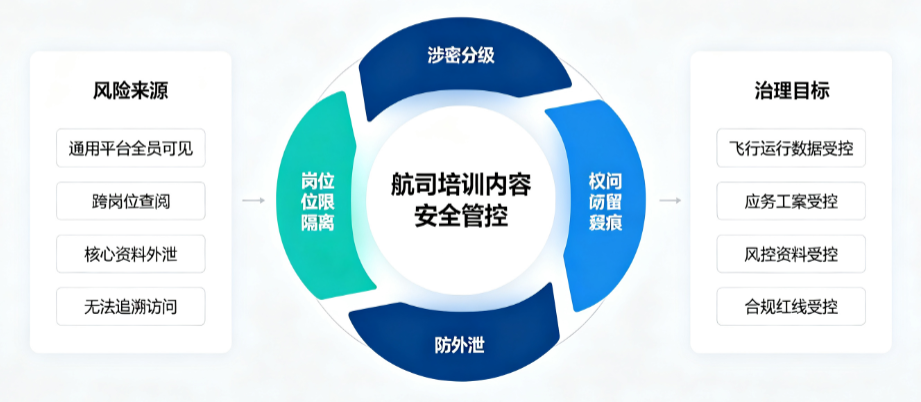
3. High Risk of Confidential Content Leakage on General Training Platforms Due to Classified Training Content
Airline internal training content requires strict classified confidentiality management. Core confidential information such as flight operation data, aircraft maintenance and disassembly processes, emergency response plans, safety risk control materials and internal compliance red lines is prohibited from cross-post access and external acquisition. General online training platforms on the market have extensive permission control with undifferentiated full-staff access, failing to realize refined post isolation. This easily leads to cross-post leakage of confidential technical data (e.g., maintenance information accessed by ground service or operation control staff) and external disclosure of core internal operational data, bringing major security risks to airline safety operation and data confidentiality.
4. Traditional Training Models Fail to Deliver Compliant Traceable Records for Mandatory Safety Training Assessments
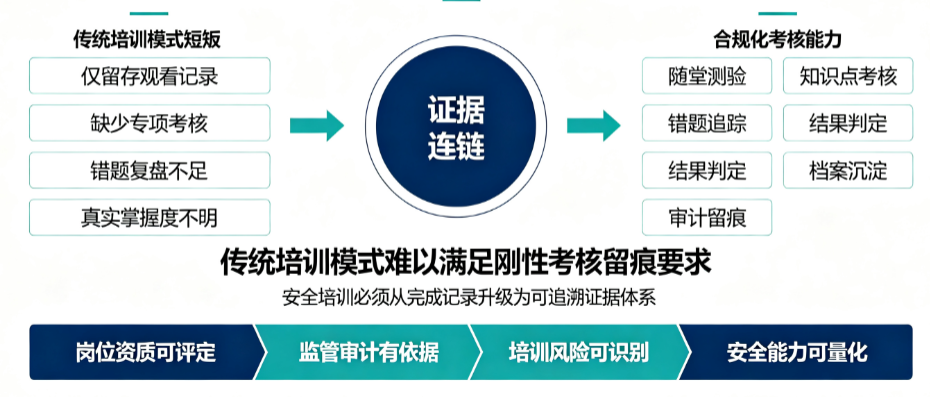
Aviation safety training is a mandatory pre-job assessment for airlines. Regulatory requirements mandate 100% participation, mastery and compliance of all staff with strong mandatory compliance requirements. Traditional online training only records simple viewing data, lacking in-class quizzes, special knowledge assessments and error review modules. It cannot accurately identify employees’ real mastery level or distinguish dedicated learners, perfunctory participants and staff with weak knowledge reserves. Meanwhile, systematic training data accumulation is absent, making it impossible to connect with corporate assessment systems. Untraceable training processes and undocumented learning outcomes fail to meet the compliance record requirements for civil aviation regulatory audits and post qualification evaluations, resulting in formalized and ineffective training.
II. Systematic Post Safety Training Solutions for Airlines
1. Fast Launch of Exclusive Private Sessions to Unify National Post Standards
To adapt to the frequent updates of civil aviation new regulations, safety notices, cabin service standards and emergency response procedures, the solution supports airlines to quickly launch exclusive private live training sessions. It eliminates cumbersome offline training preparation and scheduling work, enabling the first-time official interpretation, policy promotion and procedural implementation of new regulations. Relying on nationwide online coverage, it realizes synchronous training for all bases and teams, unifies official preaching standards and operational specifications, and completely eliminates interpretation deviations and inconsistent operational standards caused by independent grassroots training. This ensures the rapid iteration and full implementation of the latest civil aviation safety and service standards, and avoids standardized operational risks from the source.

2. Dual Mode of Live Streaming + Encrypted Playback to Adapt to Fragmented Supplementary Learning for Shift Workers
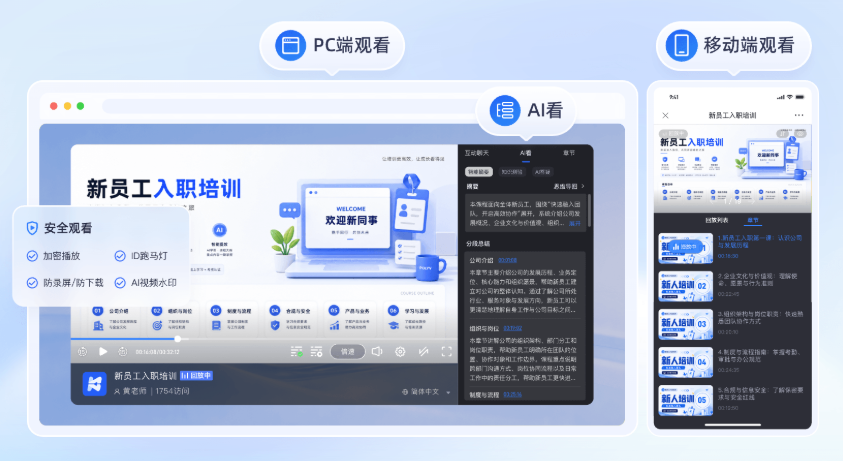
PolyV adopts a dual training mode of cloud live streaming and cloud on-demand playback – centralized live sessions for focused policy promotion, Q&A and key knowledge reinforcement, and automatic encrypted playback generation after live sessions for fragmented supplementary learning. This perfectly adapts to airlines’ shift work and dynamic on-duty rhythm. Staff on duty, overseas assignments or rest can complete make-up training and repeated learning in fragmented spare time with breakpoint resume playback. The system automatically statistics effective learning hours, eliminating passive attendance, perfunctory learning and missed training, and achieving zero-blind-spot full-staff training coverage.
3. Accurate Organizational Structure Docking and Post Hierarchical Isolation to Build a Confidentiality Barrier
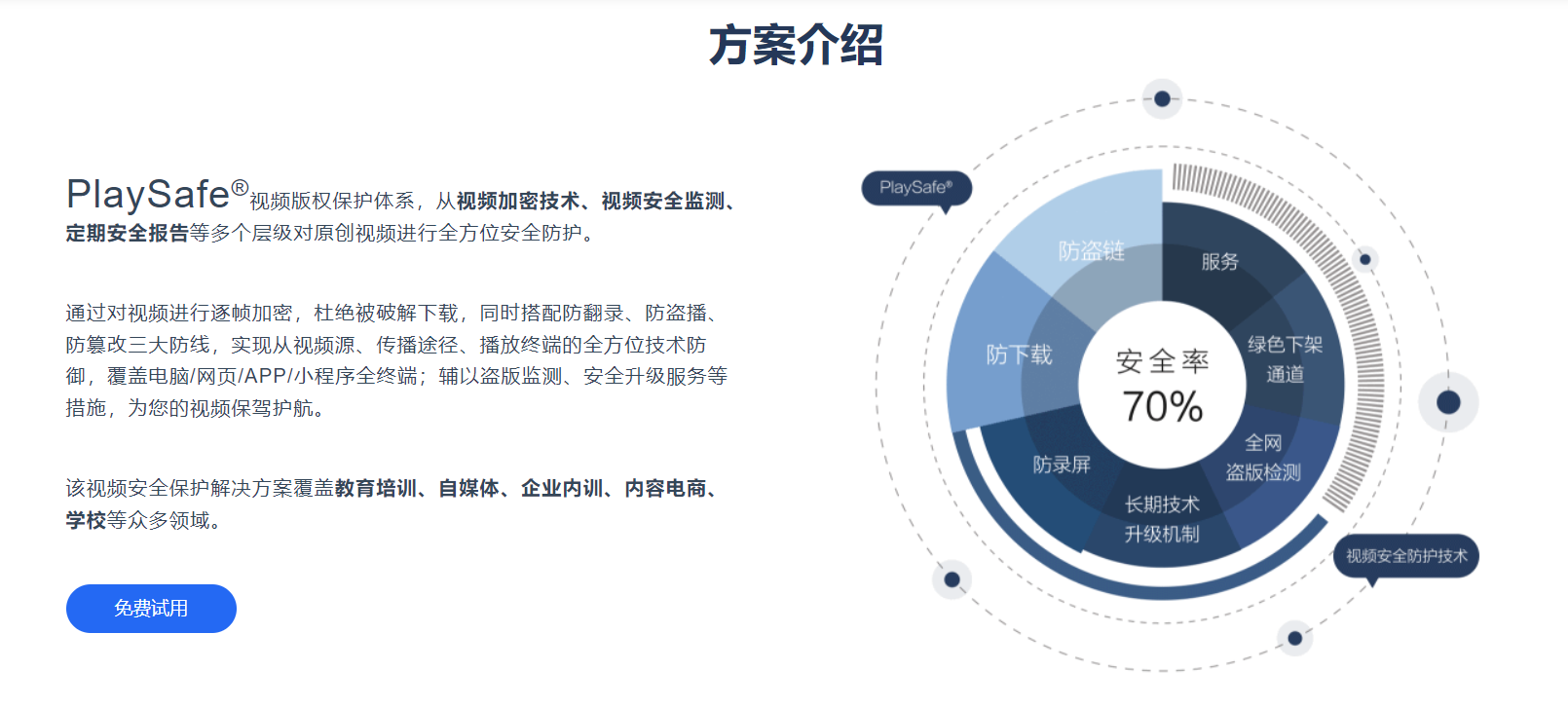
The system supports in-depth docking with airlines’ internal organizational structures, enabling independent viewing whitelist configuration for flight, cabin crew, maintenance, ground service, operation control and other posts. It realizes classified content display and precise post isolation, strictly restricting confidential content access to corresponding professional positions only and prohibiting cross-post viewing and internal data leakage. External access is fully blocked. Equipped with video encryption, anti-download protection and access traceability functions, it fully meets the strict confidentiality requirements of civil aviation classified training, ensures the security and controllability of core confidential content such as airline operational data, maintenance processes and emergency plans.
4. Full-process Data Archiving and System Docking to Meet Regulatory Assessment Requirements
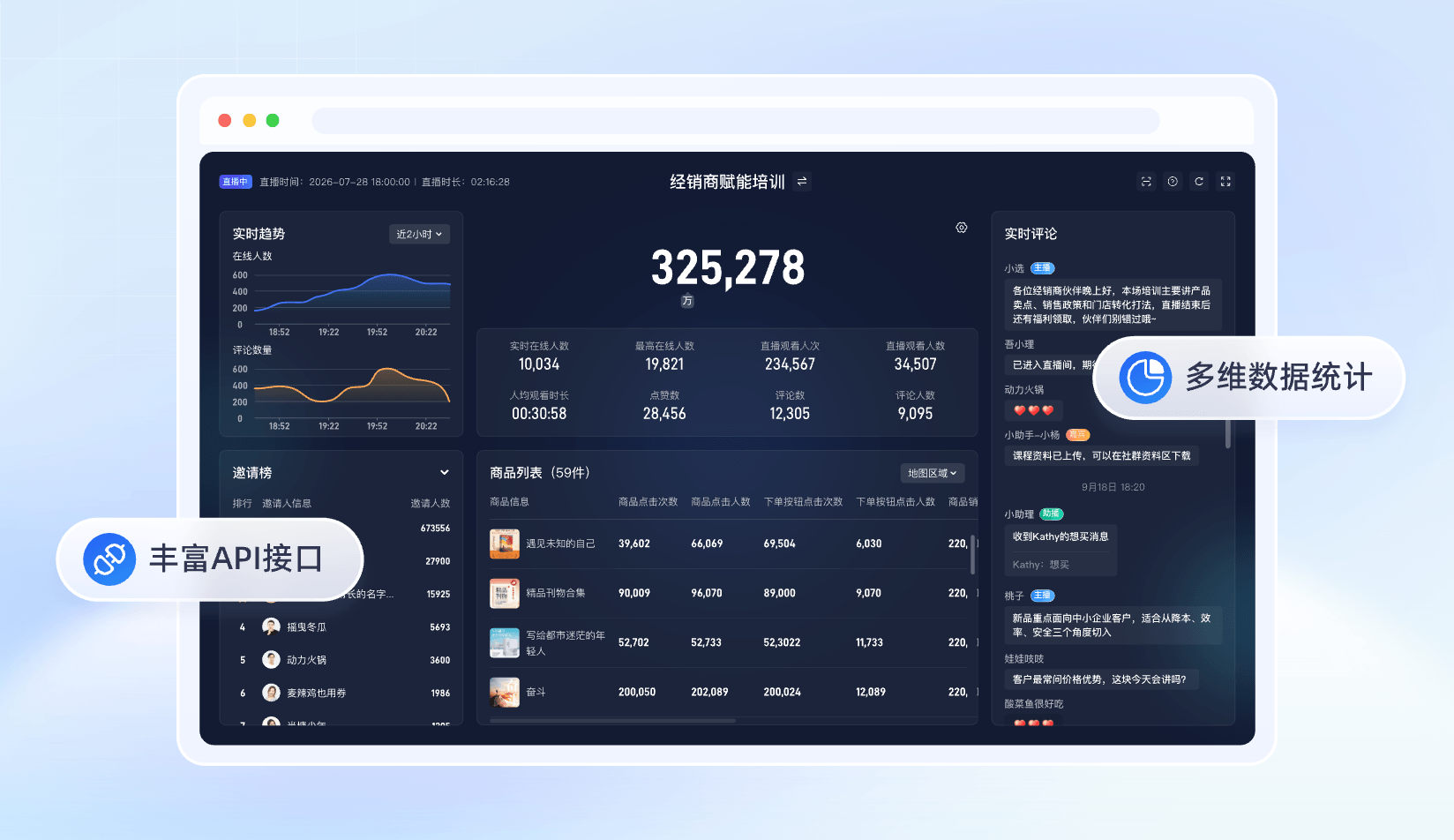
The system automatically archives full-dimensional training data including staff participation hours, viewing tracks, review times, quiz scores and error records, supporting one-click export of data reports and seamless docking with airline HR and LMS systems via API. Complete training files can be directly applied to annual civil aviation regulatory audits, employee performance evaluation, post qualification assessment and pre-job competency grading. It realizes traceable training processes, quantifiable learning effects and implementable assessment results. Regular assessment and review accurately identify employees’ knowledge weaknesses, enabling all staff to fully master safety specifications, memorize emergency procedures and comply with compliance red lines, eliminate formalized training, and consolidate airlines’ work safety and service capabilities.
III. Core Implementation Value of the Solution