
How Can Industry Associations Successfully Host Live Streaming for Year‑End Forums and Annual Conferences? A Solution for Member Authentication and Branded Broadcast
Year‑end forums and annual conferences rank as the highest‑specification events for industry associations. This is where annual industry reports are officially released, cutting‑edge insights are shared, and member enterprises tune in remotely to follow the full agenda. While offline venues can only accommodate a few hundred attendees, live streaming extends coverage across the entire industry. Yet it brings tangible challenges: identity verification at entry safeguards content security; seamless scene switching throughout the agenda calls for reliable operation. When distributing streams across external channels, brand visuals must be standardised. Watch records of member enterprises also need to be captured for post‑event review.
Most associations rely on public live streaming platforms. Built primarily for pan‑entertainment scenarios, these platforms poorly cater to industry bodies’ demand for private content management and member services. This mismatch undermines broadcast quality and weakens the value of member engagement. Secretariats are forced to patch together toolchains every time they run such events.
I. Key Difficulties of Live Streaming for Industry Associations’ Year‑End Forums and Annual Conferences
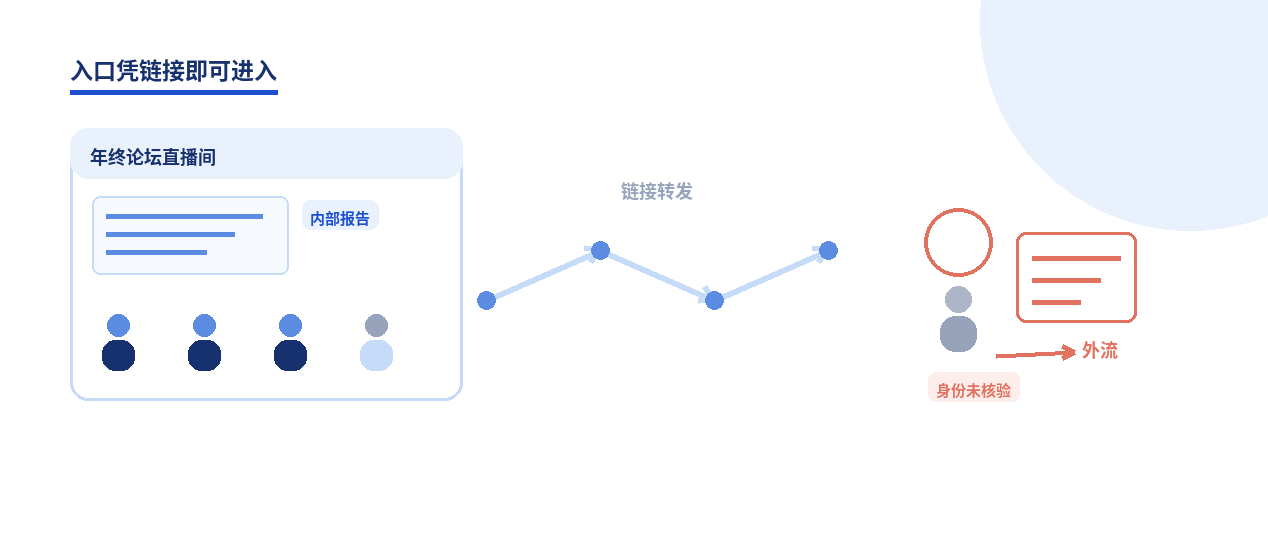
(1) Mixed Attendance Creates Risks of Confidential Content Leaks
Industry projection data contained in annual reports is unpublished. Policy analyses and internal briefings are intended only for vetted member enterprises. On public live rooms, anyone with a link can join. Once shared repeatedly, links spread beyond the industry, granting unauthorised outsiders full access. Association secretariats struggle to verify whether viewers are legitimate member representatives or information collectors from competing institutions. For sessions covering confidential materials, moderators can only issue verbal reminders. The value of exclusive research is fragmented, and associations lose control over content boundaries. Some segments are simplified to headline takeaways only, with full summaries distributed in hard copy afterwards. This reduces information density and breaks up carefully prepared exclusive insights.
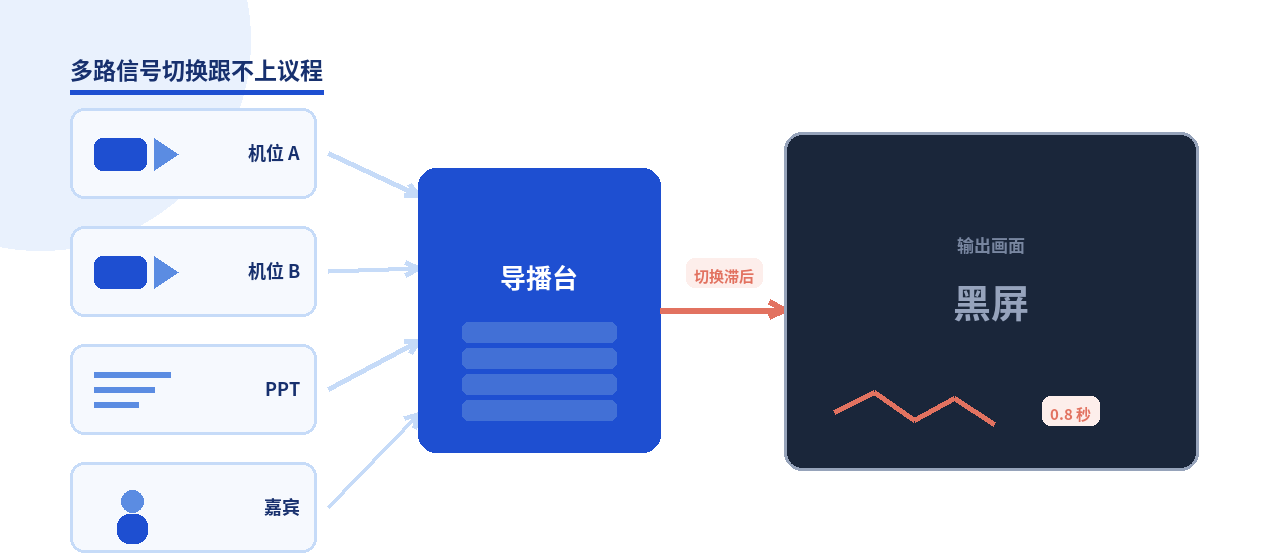
(2) Multiple Camera Angles and Frequent PPT Switching Raise Risks of Visual Errors in Manual Streaming
The agenda follows a structured sequence: keynote presentations, roundtable discussions, and concluding launch sessions. Main and side cameras capture on‑site footage; PPT screens and close‑ups of speakers are swapped in and out dynamically. Manual studio operation requires one staff member to monitor feeds while another calls for switches. Operators often fall behind the pace of the agenda, leading to black screens or distorted footage when presentations change, or cutting speakers off mid‑sentence. Associations short of technical support often recruit volunteers from member companies for live direction, resulting in inconsistent framing quality. There is no stable guarantee for the visual standard of official releases.
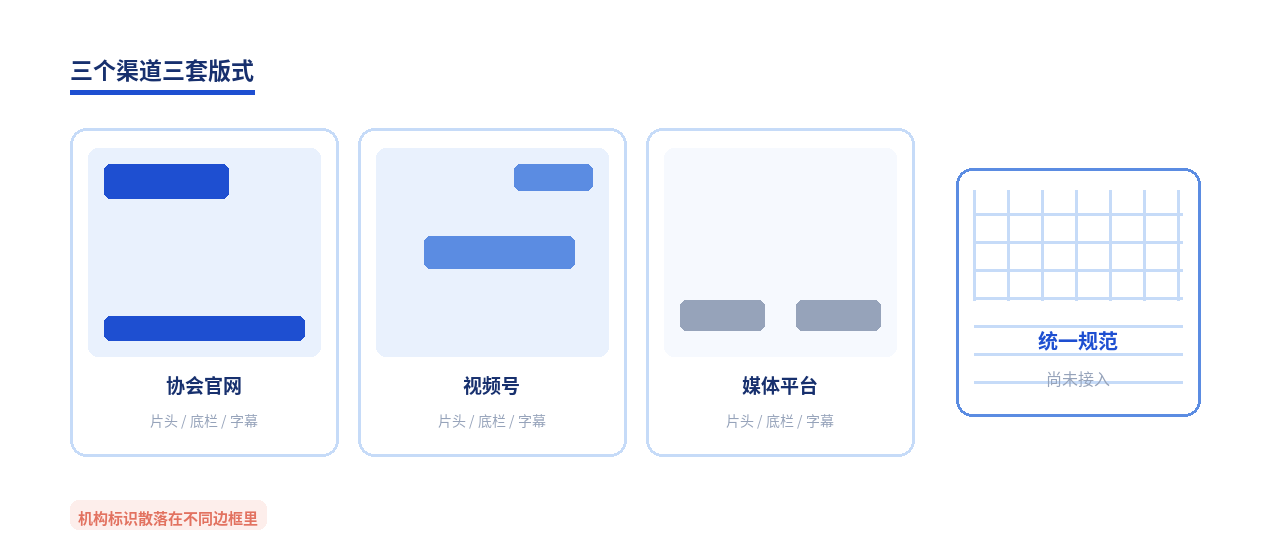
(3) Inconsistent Brand Visuals Across Distribution Channels Dilute Professional Authority
Live feeds are pushed simultaneously to association official websites, video platforms and partner media outlets. Each channel applies its native template, creating mismatched opening sequences, lower bars and caption layouts. The same association may appear visually disjointed within one single event. Logos and brand guidelines are fragmented across borders. Viewers rely on verbal announcements to confirm official authenticity, weakening the association’s image among media partners and reducing the persuasive power of forum outreach.
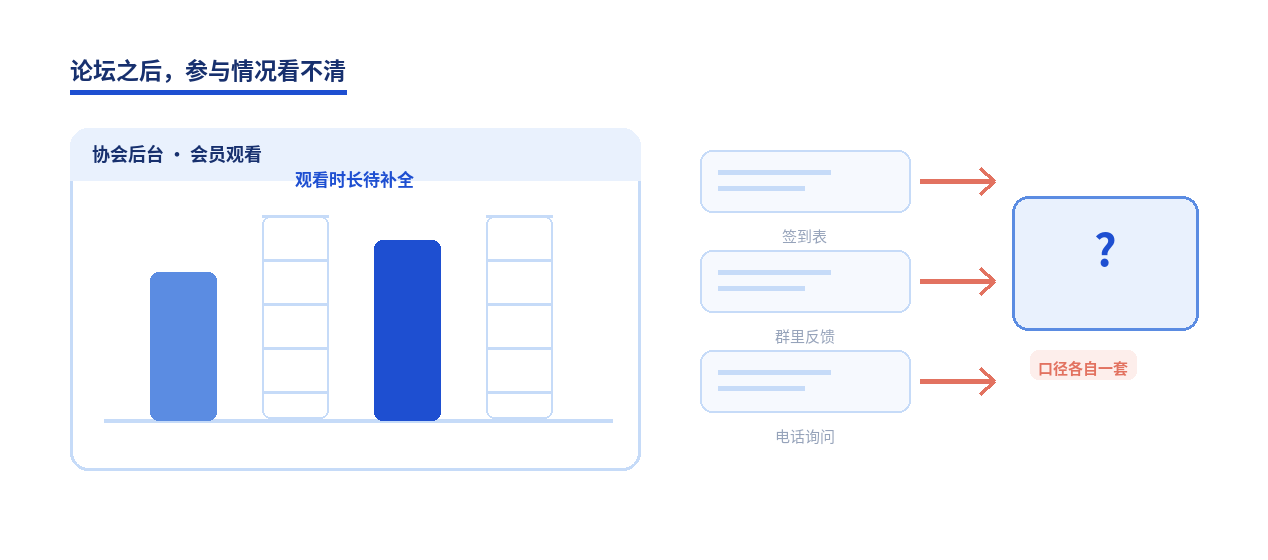
(4) Lack of Granular Watch Records Hinders Data‑Driven Member Operations
After the forum, secretariats need to report member participation to governing councils: which enterprises watched the full report, who submitted resource request forms, and which members raised questions during roundtables. These details guide resource allocation for member services in the coming year and support reporting to supervisory authorities. Public live streaming tools only provide aggregate online viewer counts, without enterprise‑level watch breakdowns. Secretariats must piece together insights from on‑site sign‑in sheets and scattered group messages. The tangible impact of member services remains anecdotal. Associations cannot identify which categories of enterprises respond best to forum content, leaving secretariats to rely purely on experience when designing renewal outreach and service packages, or drafting agendas for future events.
II. Best Practices for Live Streaming of Year‑End Forums and Annual Conferences for Industry Associations
Polyv delivers a unified system tailored for forums and annual conferences hosted by industry organisations, integrating entry authentication, multi‑feed broadcast, branded visual packaging and watch data aggregation. A small secretariat team can manage the whole workflow, preserving both the formality of the forum and the long‑term value of member operations.
(1) Watch Authentication and Allowlist Access to Verify Eligibility at Entry
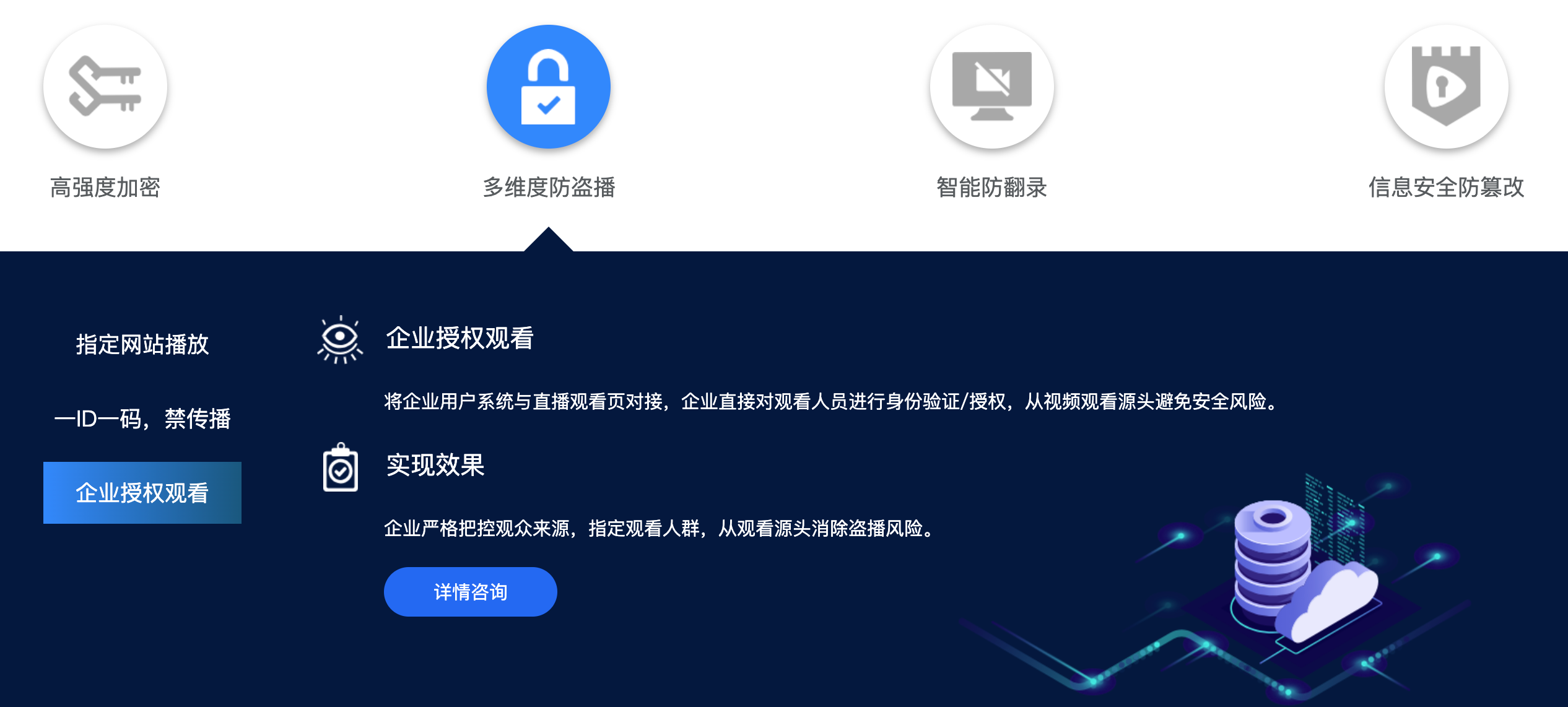
Polyv supports viewer authentication. Associations import rosters of members and approved invited enterprises into an allowlist. Only viewers with valid credentials gain entry, while unauthorised visitors are blocked at the verification stage. Separate viewing permissions can be configured for different agenda segments: sessions covering internal briefings can be restricted to a narrower audience, while public segments remain open to the whole industry. This entry check lets associations define the distribution boundary for unpublished reports and forward‑looking industry insights, easing concerns over content leaks and simplifying confidentiality arrangements for official report launches.
(2) Multi‑Feed Access and Multi‑Camera Switching for Smooth Visual Transitions for Official Releases
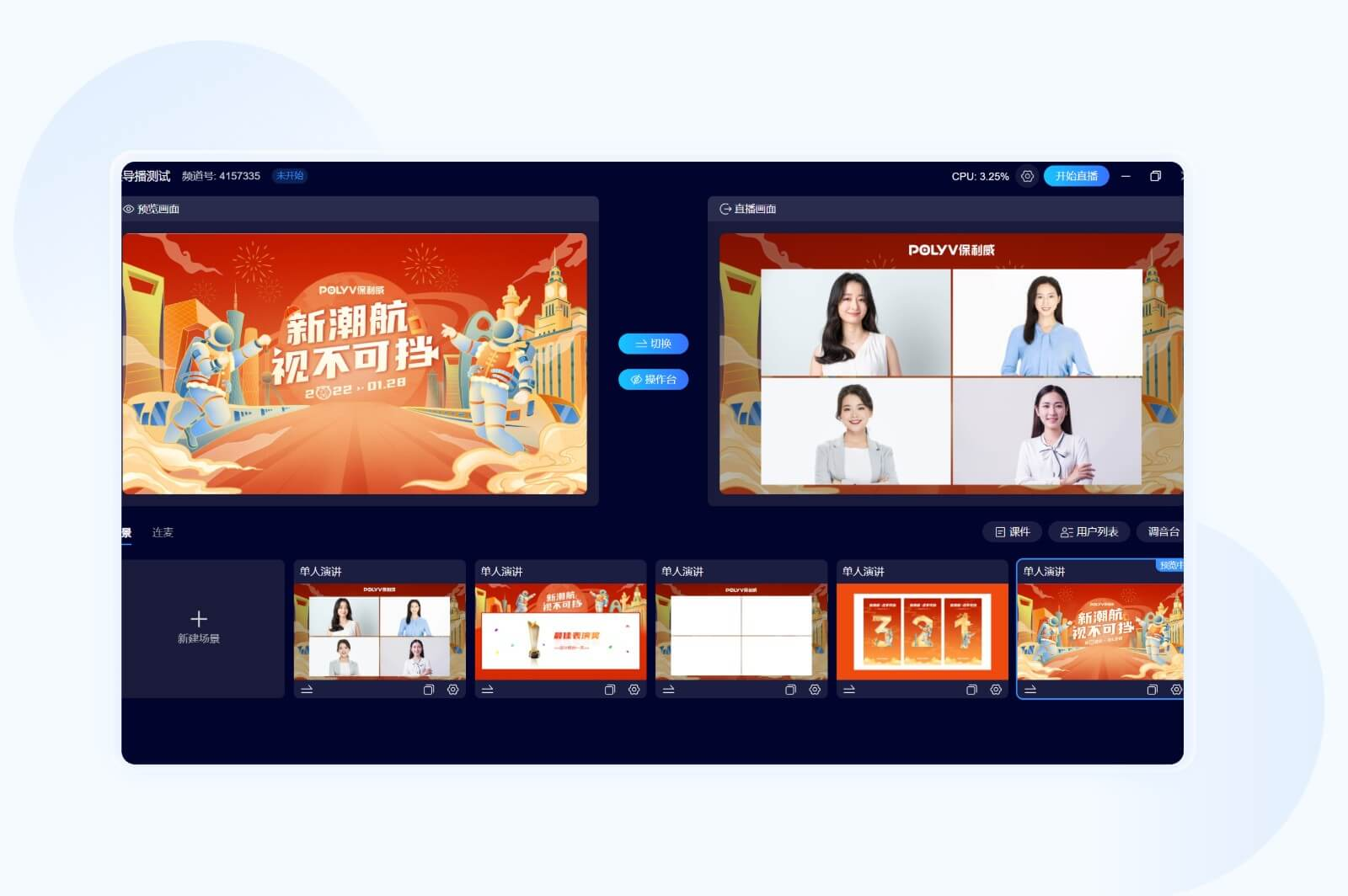
The platform accepts multiple incoming feeds and supports flexible multi‑camera switching. PPT presentations can be injected directly into the live stream. Camera footage and on‑screen logos are layered together, merging speaker close‑ups and remote guest contributions into one broadcast feed. Directors switch feeds with simple backend clicks to align visuals with the agenda, enabling smooth transitions between presentations and roundtable conversations. Launch materials for closing sessions are incorporated into the same switching workflow, with both public and restricted segments managed within one unified process. Technical barriers are lowered so a small team can operate independently, delivering consistent broadcast quality without relying on ad‑hoc volunteer support.
(3) Customisable Brand Skins and Caption Styles to Unify Official Visual Identity
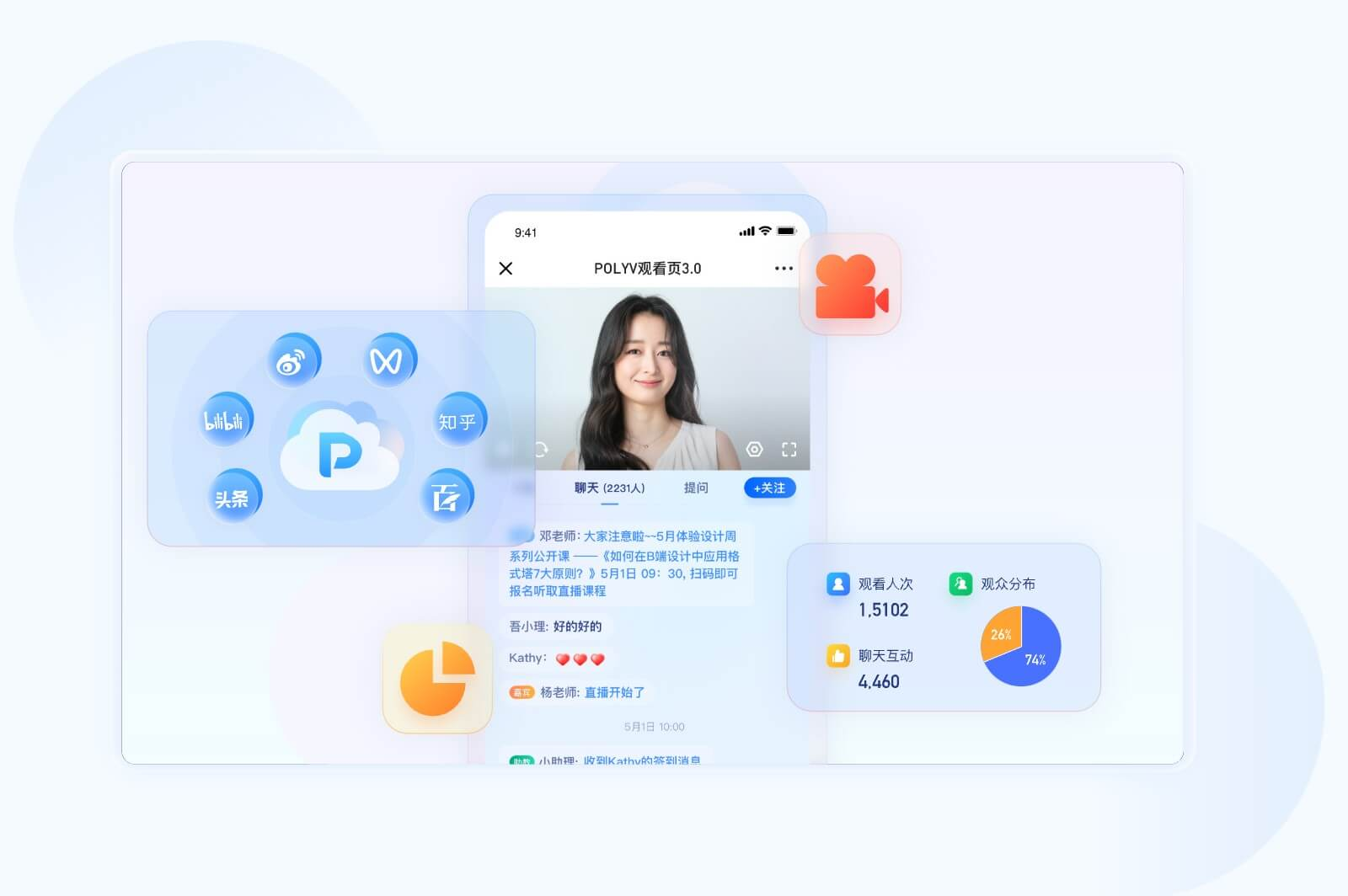
Live rooms support custom brand skins and watermarks, with preset caption templates and opening reels. Standardised event logos and host information are locked, and nameplates for speakers follow uniform formatting. This visual system applies to official websites, video channels and partner media simultaneously. Opening animations display forum themes the moment streaming starts, while tickers update alongside the agenda. The host logo stays fixed on screen, ensuring consistent presentation no matter which channel viewers enter from. The association’s brand guidelines are fully enforced throughout the live broadcast.
(4) Enterprise‑Level Watch Reports to Underpin Member Operations with Actionable Data
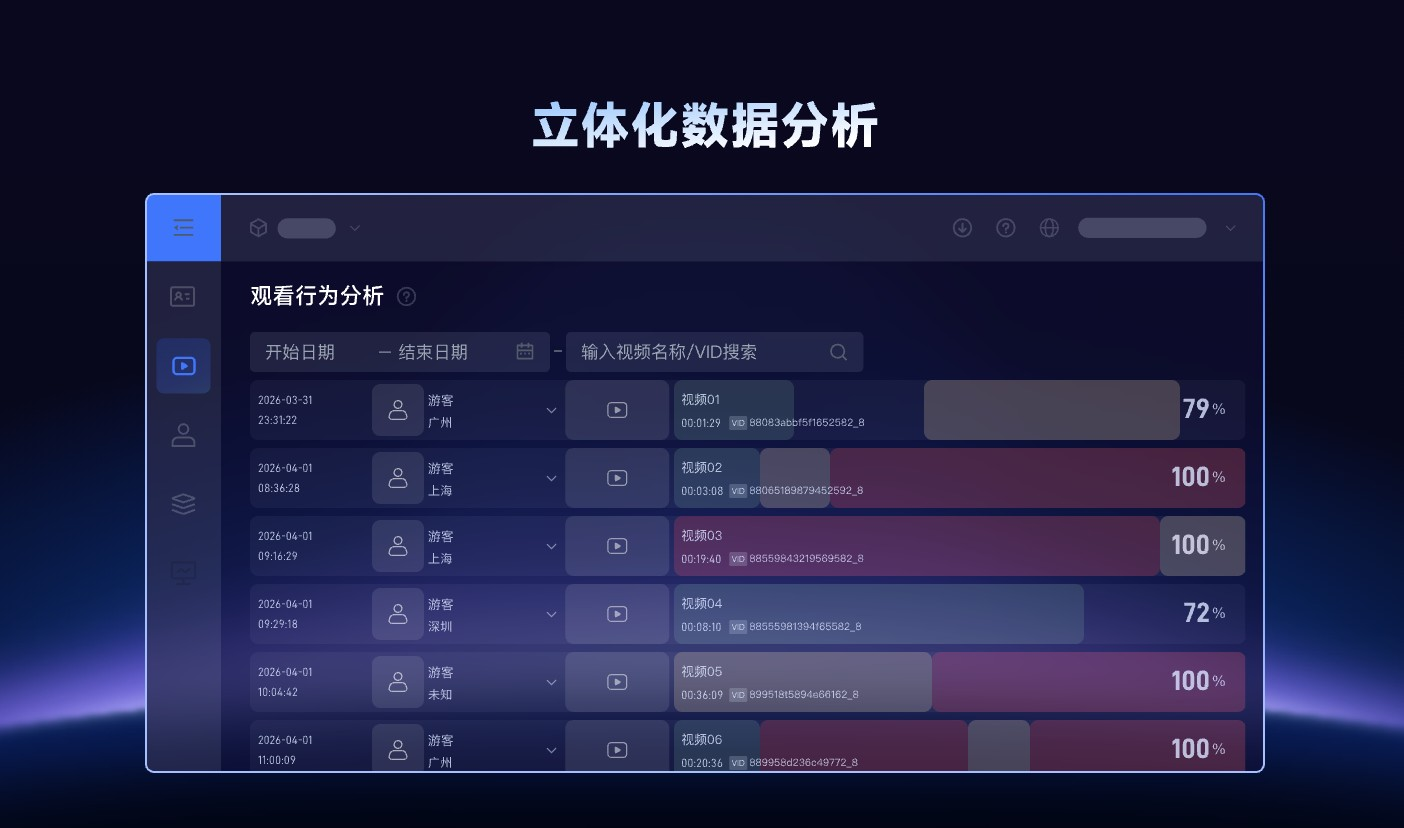
Polyv’s analytics track participant journeys, aggregating watch duration and form submissions by individual viewers, alongside interactive metrics grouped by enterprise. Secretariats can export enterprise‑level spreadsheets separating full‑view attendees from those who dropped out halfway, alongside records of resource requests and audience questions. This dataset feeds directly into routine member services. Associations can quantify the appeal of forum content and the composition of participating enterprises, creating measurable evidence for renewal conversations and service design. It also serves as a reference for drafting agendas for subsequent forums.
III. Core Value of the Solution
This end‑to‑end solution covers the full workflow of live events for industry associations’ year‑end forums and annual conferences. Authentication and allowlist controls place access permission checks at the live room gateway, letting associations define the reach of internal reports and forward‑looking thought leadership. Multi‑feed integration paired with intuitive backend switching minimises black screens and visual glitches. Standardised visual templates maintain consistent opening sequences, tickers and speaker captions across channels to reinforce official branding. Enterprise‑level watch statistics and exportable reports turn member engagement into reviewable, actionable data assets.
One live forum therefore delivers dual outcomes. Industry insights reach a wider pool of enterprises, while associations gain visibility into member participation patterns. With one lightweight platform, secretariats can run high‑specification events and capture lasting insights. Year‑end forums evolve from one‑off on‑site gatherings into ongoing sources of content and data for member management. Historical watch reports and media assets accumulate year on year, extending the reach of association services and cementing the professional reputation of industry bodies through successive conferences.