
How to Deliver Marketing Briefings on Outbound Tourism Group Purchases?Implementation Plan for Live Streaming Marketing of Tourism Projects
Outbound travel group tour is a highly seasonal marketing category in the cultural and tourism industry. It primarily relies on online live streaming to promote travel routes, launch group tour schedules, recruit channel partners and complete group tour order collection, serving as a core marketing method for travel enterprises to boost sales volume and activate channel resources during peak seasons. The promotion of outbound tourism features a short cycle, fast pace and distinct peak and off-peak seasons. Enterprises mainly conduct route promotion and group tour marketing campaigns within a peak period of 2 to 3 months, with no demand for long-term regular live streaming. Meanwhile, travel group tour marketing covers multiple links including public domain traffic attraction, channel invitation, private domain conversion and order placement on external platforms, and adopts a dual pricing system for industry channels and individual customers. Conventional general live streaming tools fail to adapt to the industry-specific scenarios of the travel sector, including short-cycle marketing, data traceability, refined user operation and pricing confidentiality. This commonly leads to problems such as fragmented data, high procurement costs, difficulty in engaging potential customers and leakage of channel pricing information. Therefore, building a dedicated live streaming system with flexible billing, traceable data, hierarchical permissions and storable user data is the key to the efficient implementation of outbound travel group tour marketing during peak seasons.
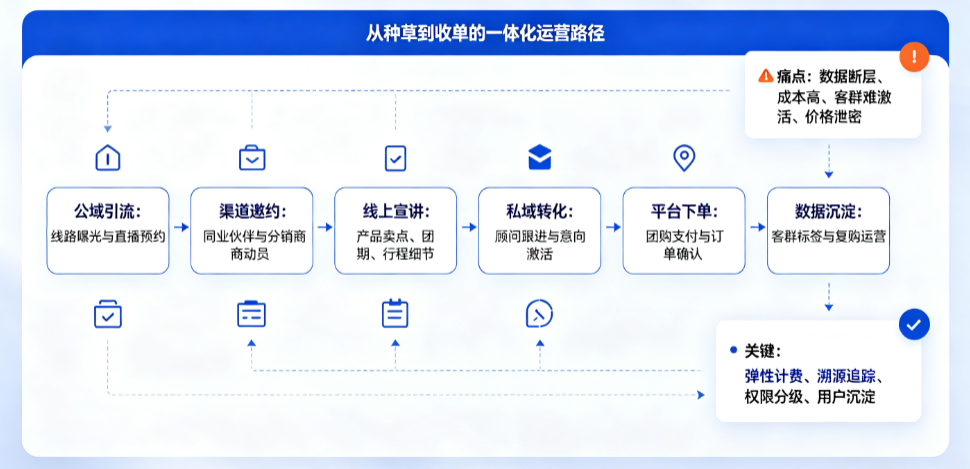
I. Core Challenges Facing Live Streaming Marketing for Outbound Travel Group Tours
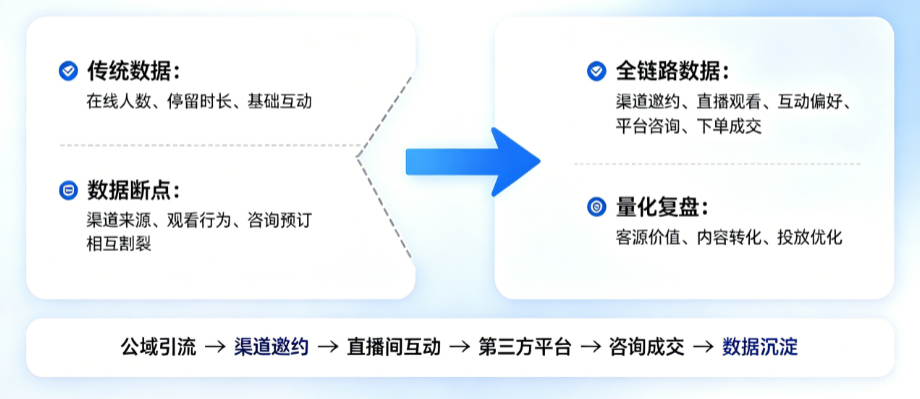
1. Fragmented Transaction and Data Links, Inaccurate Attribution of Marketing Effects
As a core scenario for route promotion and policy explanation, outbound travel group tour live streaming relies on third-party travel platforms to complete closed-loop transactions including customer consultations and order bookings. Traditional live streaming tools can only collect shallow data such as basic online viewership and dwell time. They are unable to connect the full data chain covering channel invitations, live streaming viewing behaviors, interaction preferences and consultation, booking and transaction data on external platforms. The isolated data of the two sets of platforms prevents enterprises from tracing the drainage effect of different channels and the conversion contribution of different live streaming contents. It is difficult to accurately identify the customer groups and promotion content conducive to group tour transactions, making it impossible to quantify and review overall marketing performance and lacking effective data support for investment and operation optimization.
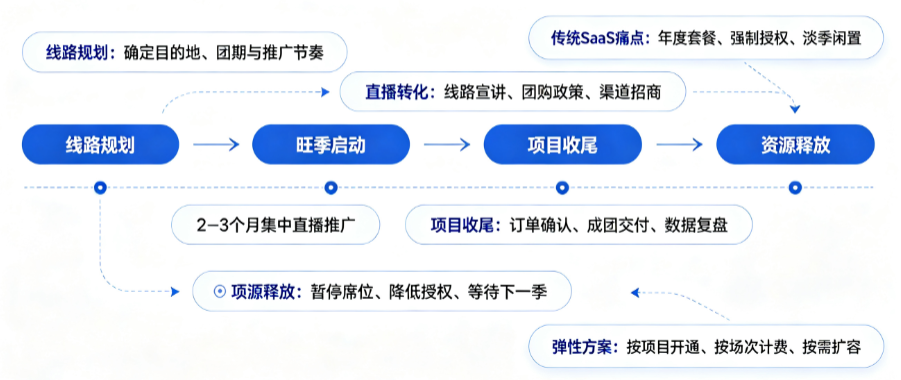
2. Low Cost Performance of Annual Subscription Packages for Short-Term Peak Season Promotion
Outbound travel group tours are highly seasonal. The promotion of outbound routes covering Southeast Asia, Hong Kong, Macao, Europe and America is concentrated within a short period, with the live streaming promotion cycle of a single project lasting only 2 to 3 months. Such marketing belongs to short-term project-based operation with no need for year-round regular live broadcasts. However, mainstream live streaming SaaS products in the market mainly adopt annual subscription billing with compulsory full-year authorization. Travel enterprises only use the services for a short period in peak seasons and leave them idle in off-seasons, resulting in severe cost waste from annual subscriptions. The low cost performance fails to adapt to the flexible and short-cycle marketing characteristics of the travel industry with distinct peak and off-peak seasons.
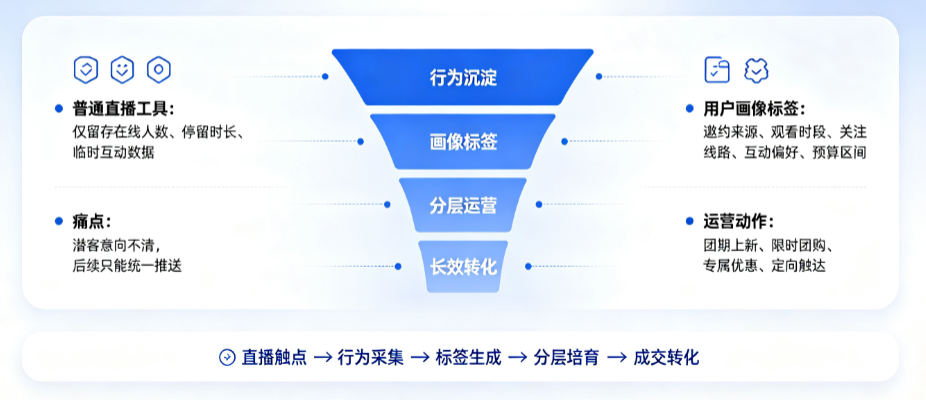
3. Lack of Accurate Labels for Passive Viewers, Difficulty in Activating Long-Term Repeat Purchases
Outbound tourism is a long-cycle consumption category with a prolonged customer decision-making period. Users usually do not place orders immediately after watching group tour promotion live streams. Ordinary live streaming tools only retain temporary online data and cannot automatically generate user portrait labels based on invitation sources, viewing time, focused travel routes and interactive behaviors. Operation staff cannot accurately classify visitors by intended destinations, travel schedules, consumption budgets and travel preferences, making hierarchical operation impossible for a large number of potential customers in the decision-making stage. Subsequent unified push of general content fails to match user demands with new group tour launches, limited-time group tour policies and exclusive preferential activities, leading to the loss of numerous high-intent potential customers and low long-term conversion efficiency.
4. Unisolated Public Pricing System, Risks to Channel Profit Systems
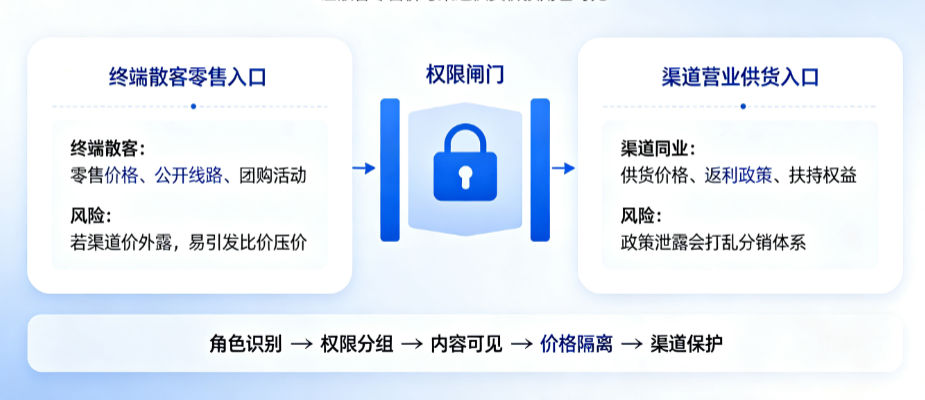
The outbound travel group tour industry generally adopts a dual pricing system consisting of retail prices for individual customers and wholesale prices for industry channel partners, corresponding to two core customer groups of terminal retail customers and channel distributors with completely different policies and pricing permissions. However, general live streaming platforms lack refined permission differentiation, making all live stream content, pricing policies and rebate mechanisms fully accessible to all users. The leakage of exclusive channel wholesale prices, industry rebate policies and exclusive support benefits will easily trigger individual customer price comparison and bargaining, terminal price chaos and demands for unified price reductions from channel agents. This will directly disrupt the multi-level distribution pricing system of enterprises, cause channel complaints and agent churn, and seriously damage the brand’s channel profit system.
II. Ways to Improve the Quality and Efficiency of Outbound Travel Group Tour Live Streaming Marketing
1. Full-Link Data Connection to Realize Accurate Marketing Effect Attribution
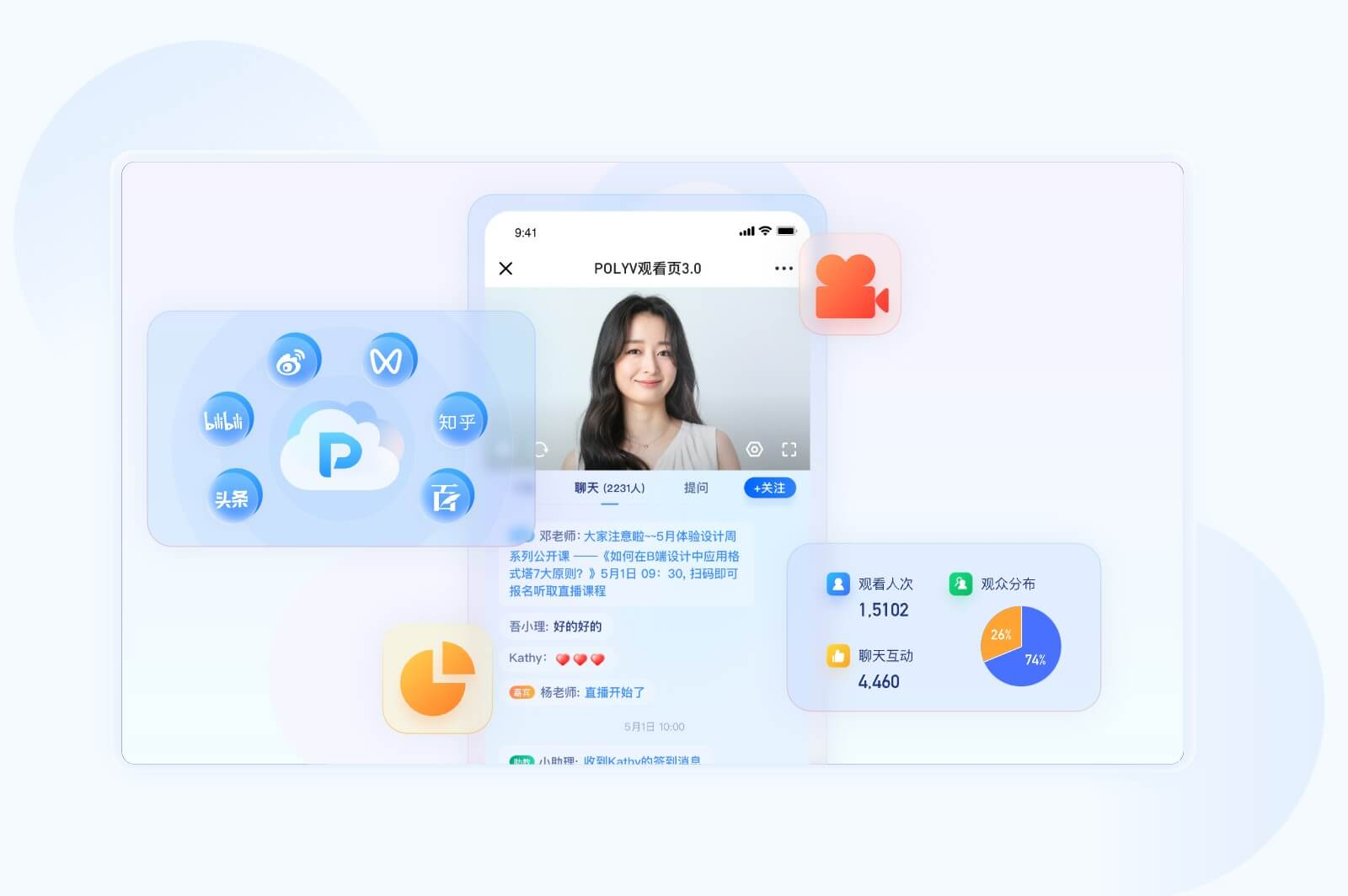
The system is equipped with rich standardized open API interfaces, enabling in-depth docking with enterprise self-owned CRM systems and sales ledgers. It can fully capture multi-dimensional user behavior data including channel sources, live stream entry paths, viewing duration and interactive consultations, and cross-match with consultation, booking and transaction data on third-party platforms. It completely connects the full marketing chain of “channel invitation – live streaming viewing – intentional interaction – external transaction”, realizing traceability and review of the promotion effects of all channels, live sessions and travel routes. This helps enterprises accurately optimize investment strategies and live streaming content orientation.
2. Flexible Periodic Billing Adapted to Short-Term Project-Based Promotion
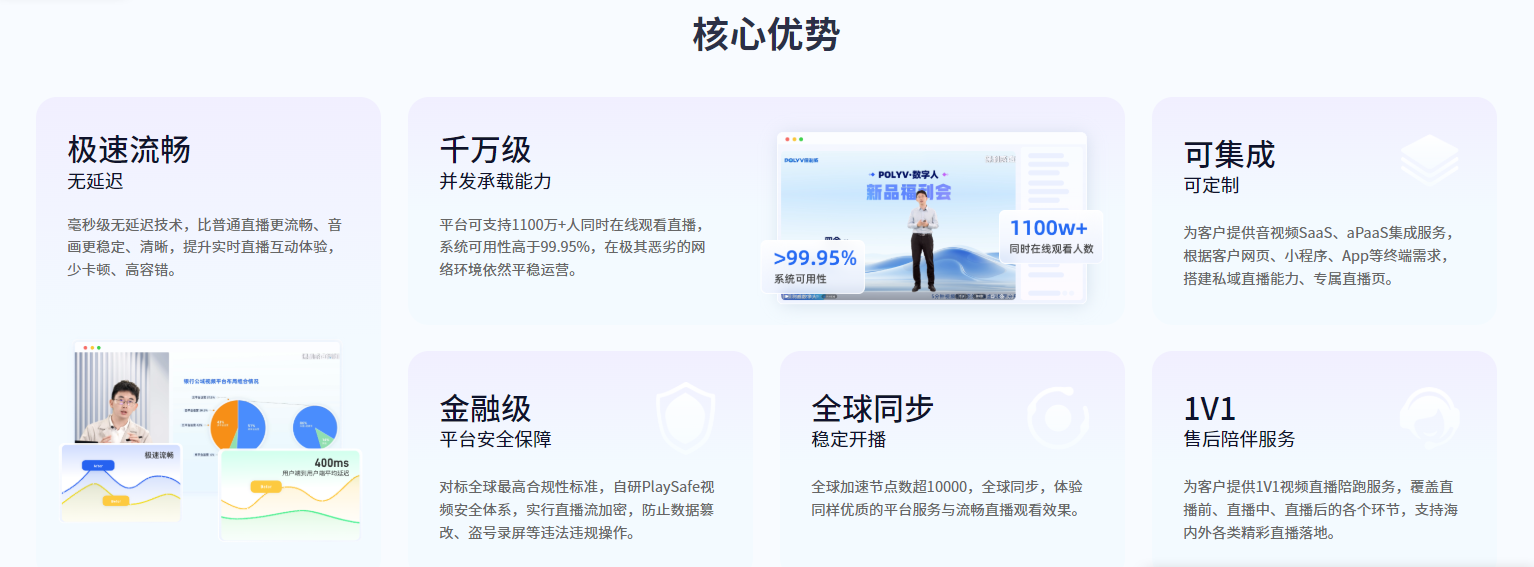
Different from the industry’s fixed annual billing model, Polyvore supports flexible periodic SaaS subscription, allowing enterprises to purchase service durations based on outbound travel peak season promotion cycles. It perfectly fits the 2-3 month short-term project-based live streaming needs of the travel industry. Enterprises do not need to pay for idle off-season periods, with on-demand activation, controllable cycles and controllable costs. The solution eliminates the low utilization rate and cost waste of traditional annual subscription packages, greatly improving the input-output ratio of short-term group tour live streaming projects and adapting to the seasonal marketing rhythm of the travel industry.
3. Intelligent User Tagging and User Accumulation to Realize Refined Operation of Potential Customers
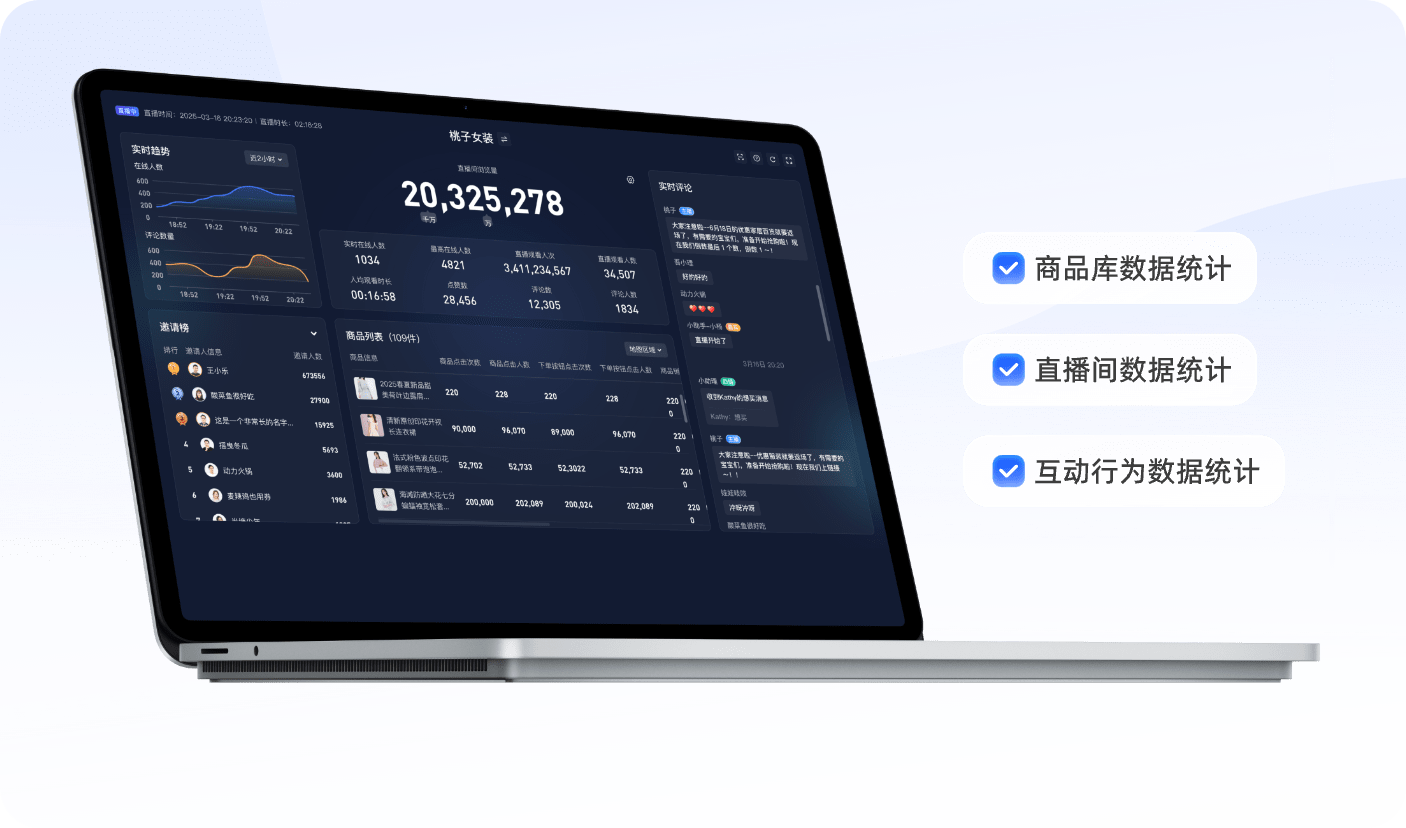
The system features automatic channel traceability and behavior tagging capabilities. It can generate multi-dimensional user portrait labels based on user invitation channels, viewing duration and interactive behaviors, and all user data automatically flows back to the enterprise’s private domain customer pool to form reusable potential customer files. Operation teams can push targeted content including new group tour schedules, limited-time group tour offers and exclusive preferential policies to customer groups with different labels, realizing accurate reach, long-term customer accumulation and continuous user activation. This significantly improves user conversion efficiency in long-cycle consumption scenarios.
4. Refined Permission Isolation to Protect Channel Pricing Systems
To meet the confidentiality needs of the travel industry’s dual pricing system, the system builds refined hierarchical viewing permissions and exclusive whitelist channel zones. Enterprises can implement hierarchical permission management for individual customers, ordinary users, channel agents and partners, realizing differentiated content visibility and policy display for different groups. It isolates public and private domain content and distinguishes policies for individual customers and channel partners, eliminating pricing leakage, individual customer price comparison and channel disputes. This effectively maintains the stability of the multi-level distribution system and protects channel profit margins.
III. Core Value of Solution Implementation