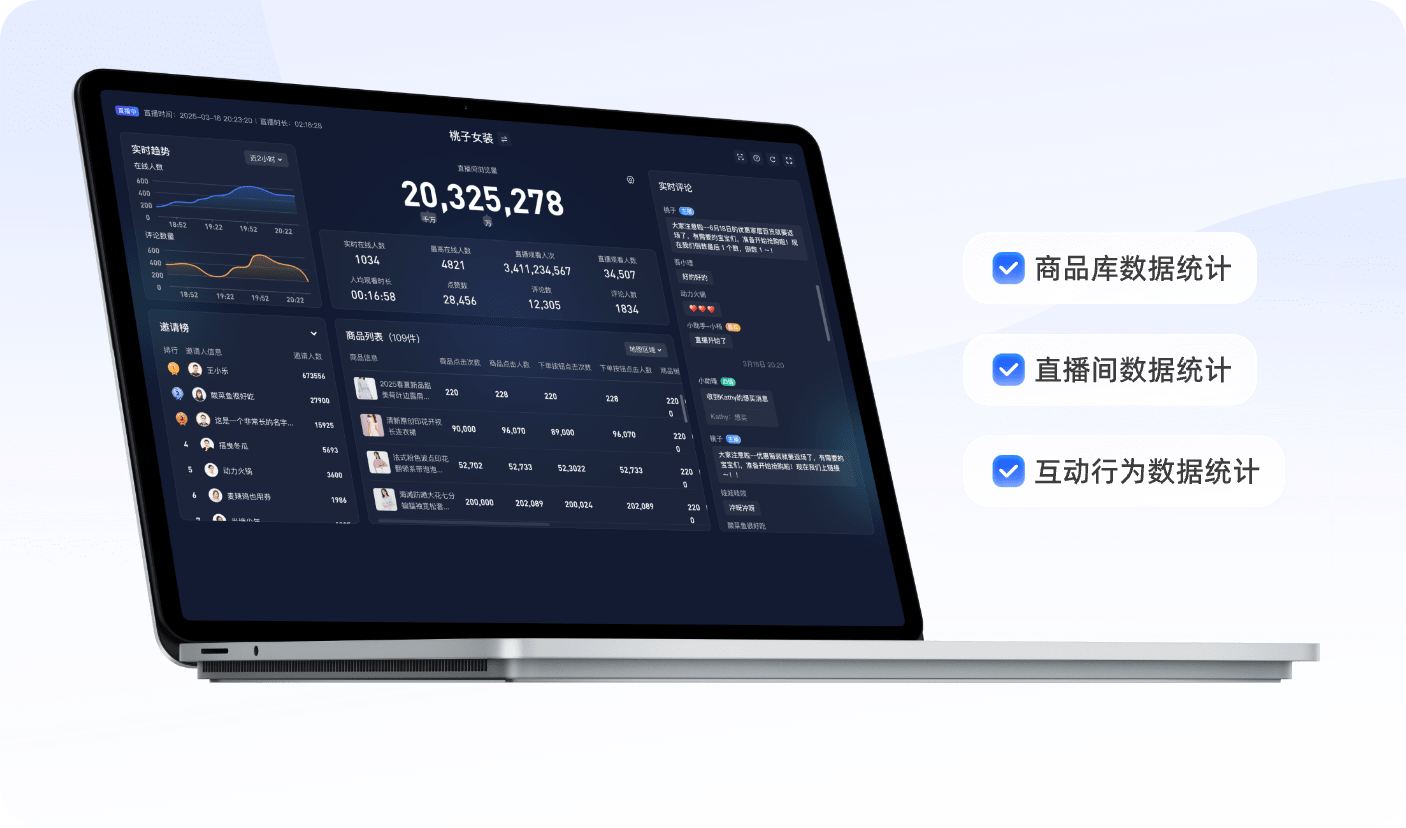
Lightweight Live Commerce via WeChat Mini Programs: 2026 Private Domain Live Streaming Operation Plan for Alcohol Brands
At present, most alcohol brands leverage WeChat Mini Programs to accumulate private domain users. However, native Mini Programs only support basic product display and online transactions, lacking industry-specific live streaming capabilities tailored for alcohol businesses. Furthermore, universal live streaming tools available on the market fail to meet unique industry requirements covering compliance control, referral growth and data traceability. Widespread pain points include insufficient risk control capabilities, stagnant private domain traffic expansion, prohibitive technical implementation costs, low reusability of live content, and untraceable transaction records. These bottlenecks severely hinder the regular rollout and standardized management of private domain live commerce. Against such a backdrop, building a lightweight, low-cost and compliant live streaming system within Mini Programs has become a pivotal path for alcohol brands to drive incremental growth in private domains.
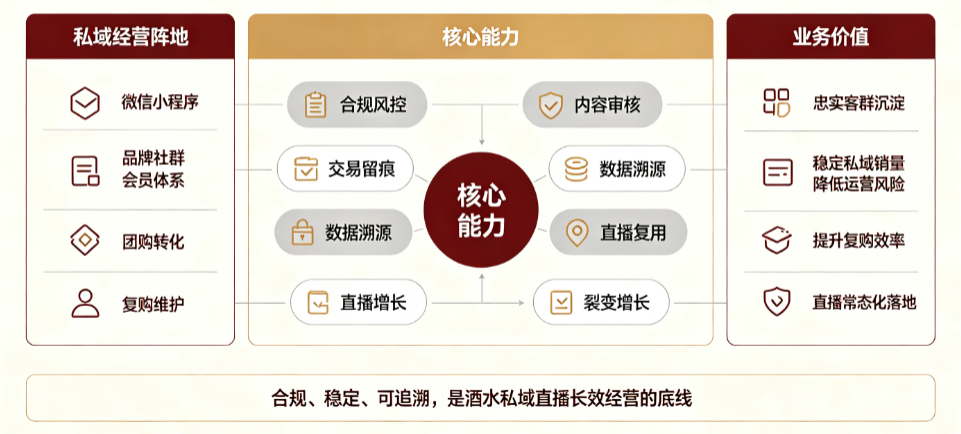
I. Key Industry Pain Points of Alcohol Private Domain Live Streaming on WeChat Mini Programs
(1) Strict Promotion Regulations Bring Heightened Compliance Risks
As a specially regulated product category, alcoholic drinks are bound by clear compliance red lines governing advertising, live stream scripts and on-screen presentation. False promotion, exaggerated efficacy claims and improper consumption inducement are strictly prohibited. Custom-built live modules embedded in self-developed Mini Programs do not come with alcohol-specific risk control keyword libraries. Reliance solely on manual content moderation cannot fully guard against implicit violations in verbal commentary, visual scenes and viewer bullet comments. Hosts delivering tasting introductions, user interactions within communities and live chat messages may inadvertently breach advertising rules, resulting in live room traffic restrictions or permanent bans. Such incidents disrupt live sales and expose brands to compliance liabilities.
In addition, conventional live streaming frameworks lack complete playback archiving mechanisms. In the event of compliance violations, adequate records for investigation, traceability and rectification reviews are unavailable.
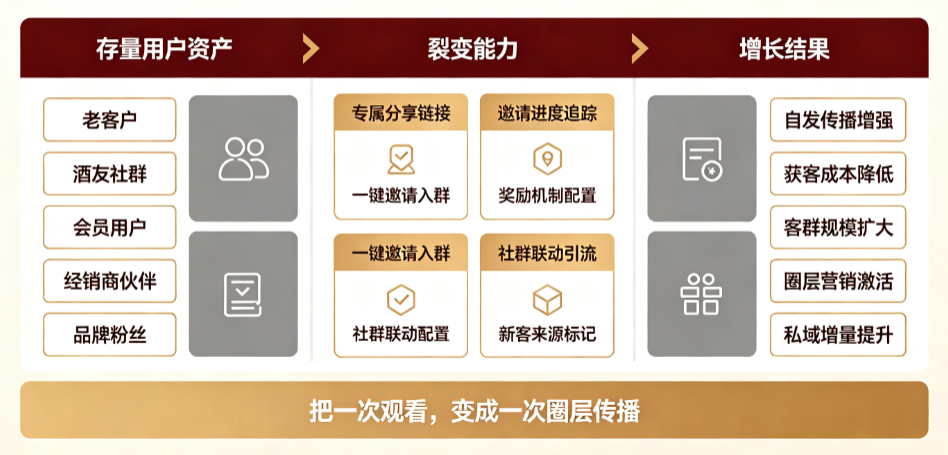
(2) Shortage of Referral Tools Leads to Stagnant Private Domain Growth
Private domain operations for alcohol heavily depend on repeat customer referrals, enthusiast community viral spread and distributor customer acquisition to generate new business, featuring inherent community-driven communication attributes. Nevertheless, prevailing Mini Program live streaming solutions lack dedicated referral features. Viewers cannot access exclusive share links or invite friends, fellow enthusiasts and clients with one-click forwarding. Brand live promotion largely relies on manual group messages and community postings by operation staff, yielding inefficient customer outreach. Organic propagation among existing private domain users cannot be unlocked, slowing audience expansion and preventing brands from capitalizing on community marketing strengths.
(3) High Audio & Video Development Barriers Push Up Costs for Mid & Small Brands
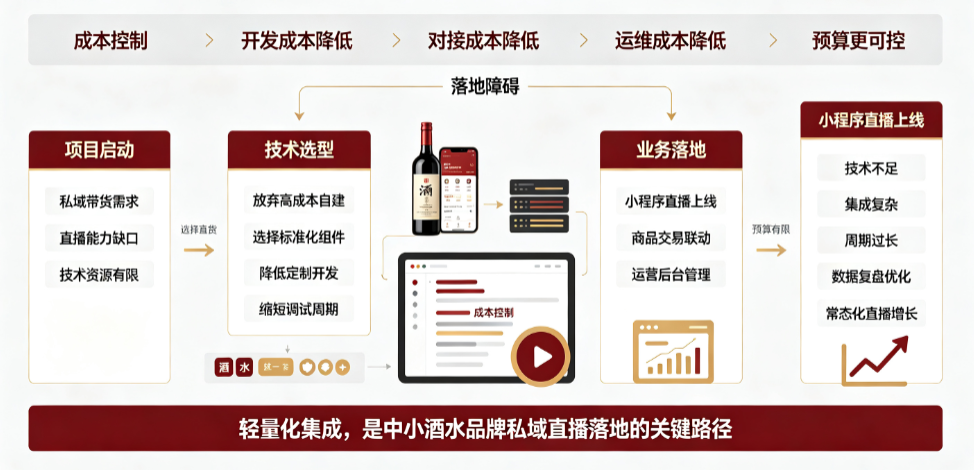
While alcohol brands hope to integrate live streaming into self-owned Mini Programs to boost private domain sales, most internal teams lack professional audio and video development expertise to build live modules independently. Standard SDKs offered by generic live streaming service providers feature cumbersome integration workflows, lengthy debugging cycles and demanding technical adaptation requirements. Constrained limited budgets, many mid-sized and small alcohol brands face unaffordable development, technical docking and maintenance expenses. This obstructs the implementation of regular live streaming and costs brands valuable private domain revenue opportunities.
(4) Cumbersome Operation & Low Content Reusability for Ad Hoc Live Sessions
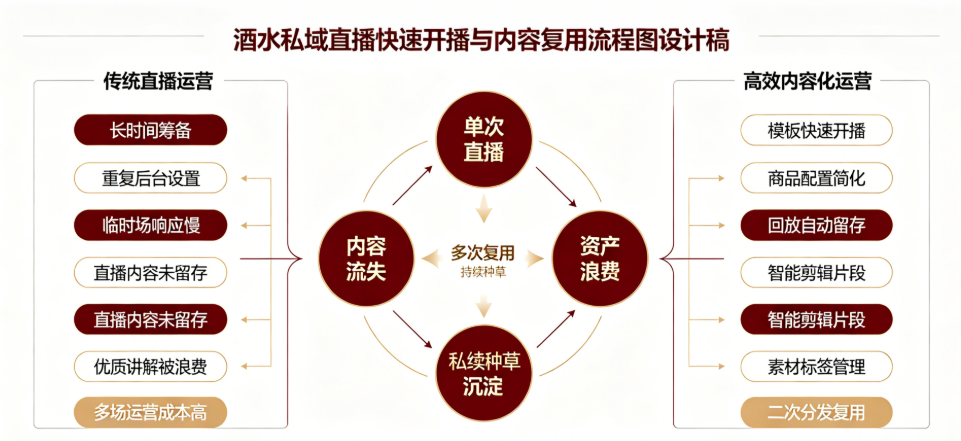
Private domain alcohol live streams follow irregular schedules, mostly consisting of impromptu tasting sessions, holiday group buying events and member-exclusive broadcasts. Such scenarios demand rapid setup and user-friendly operation. Traditional self-developed live systems involve complicated workflows and time-consuming backend configuration, unable to satisfy lightweight, on-demand live broadcast needs. Moreover, without automated playback clipping and content reprocessing tools, valuable commentary on product tasting, brand introduction and distributor training generated during each live stream cannot be quickly edited for secondary distribution. Large volumes of high-quality private domain content go unused, lowering the ROI of multi-session live operations.
(5) Missing Distribution Transaction Data Impedes Compliance Traceability
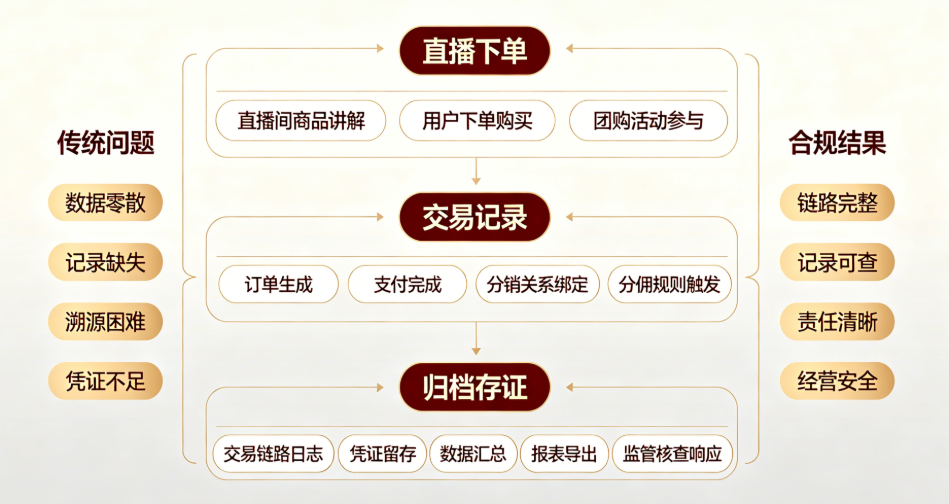
Many alcohol brands hold valid food business permits to conduct distribution and group sales. Even so, mainstream Mini Program live streaming systems lack dedicated data archiving and traceability functions. Distribution orders, group purchase transactions and commission records generated during live broadcasts cannot be automatically consolidated, leading to fragmented and incomplete transaction data. When facing regulatory inspections, brands are unable to produce comprehensive, traceable operation records. Disconnected data creates compliance loopholes without verifiable evidence, failing to meet standardized supervision requirements for the alcohol sector.
II. How to Deploy Lightweight Live Commerce for Alcohol Private Domains on WeChat Mini Programs
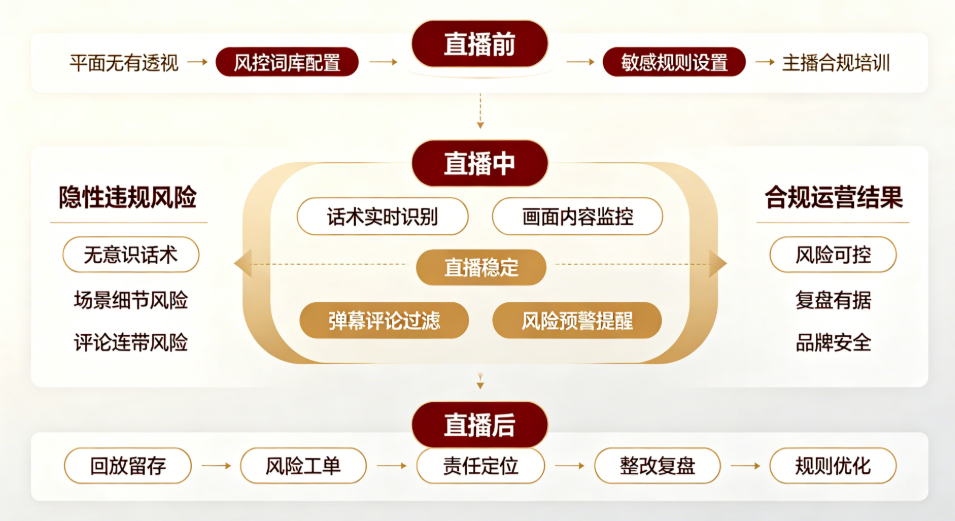
(1) Alcohol-Tailored AI Risk Control System for End-to-End Compliance
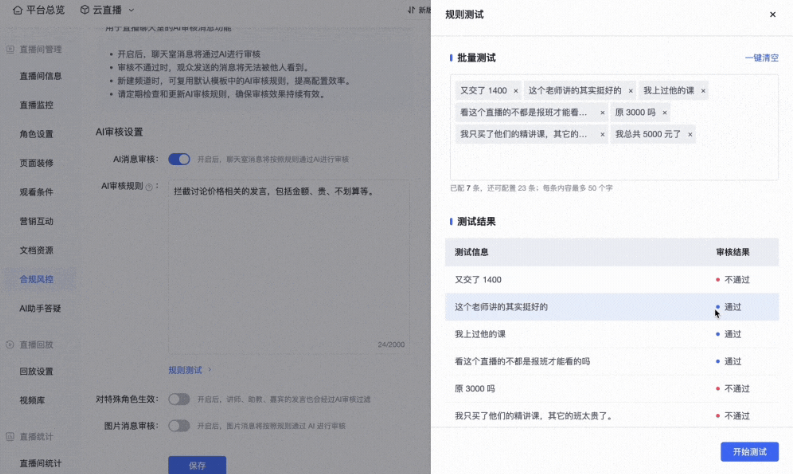
In response to rigorous promotional compliance standards in the alcohol industry, the platform integrates highly customizable AI intelligent risk control, supporting refined configuration of review rules up to 2,000 characters for real-time live stream monitoring and automatic violation interception. Both host live narration and viewer bullet comments are intelligently scanned for prohibited content to preempt traffic limits and account bans. Meanwhile, complete live playback footage, interaction logs and content data are automatically archived long-term. Compliance incidents can be rapidly traced and reviewed, establishing robust compliance safeguards to eliminate regulatory risks in private domain alcohol live streaming.
(2) Exclusive Referral Mechanism to Fuel Organic Community Growth in Private Domains
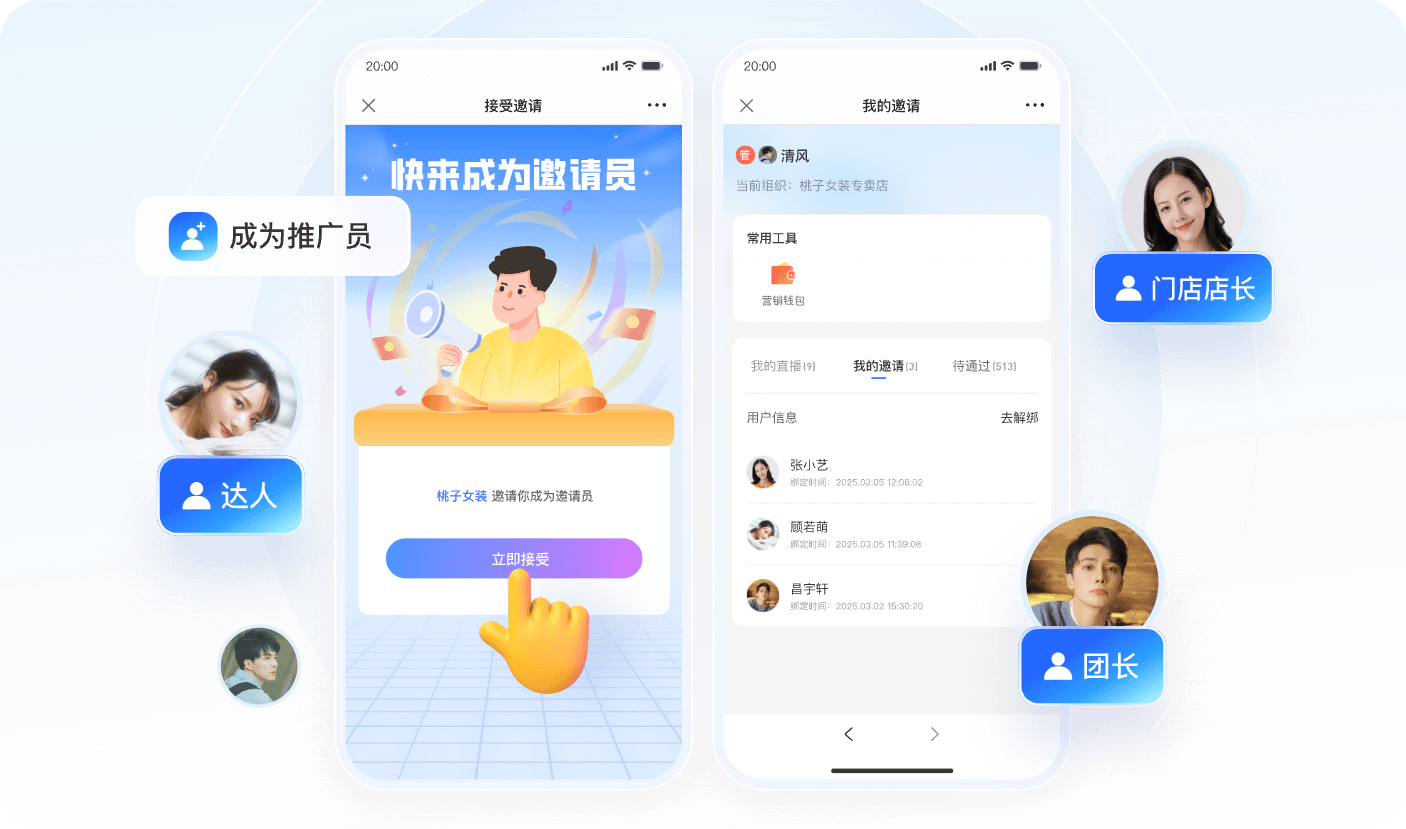
A dedicated referral framework is built for alcohol private domain operations. Unique share links are generated for every viewer, enabling one-click sharing to WeChat communities, Moments and individual contacts. Existing customers, distributors and members can easily invite fellow enthusiasts, gift buyers and prospective clients into live rooms. Leveraging the social nature of alcohol consumer communities, traffic grows organically. Brands reduce manpower spent on repetitive manual promotion, activate existing private domain assets, continuously expand precise customer channels, and achieve low-cost, sustainable audience expansion aligned with acquaintance-based outreach and community marketing characteristics of the alcohol trade.
(3) Lightweight Standard SDK Integration for Fast, Low-Cost Deployment
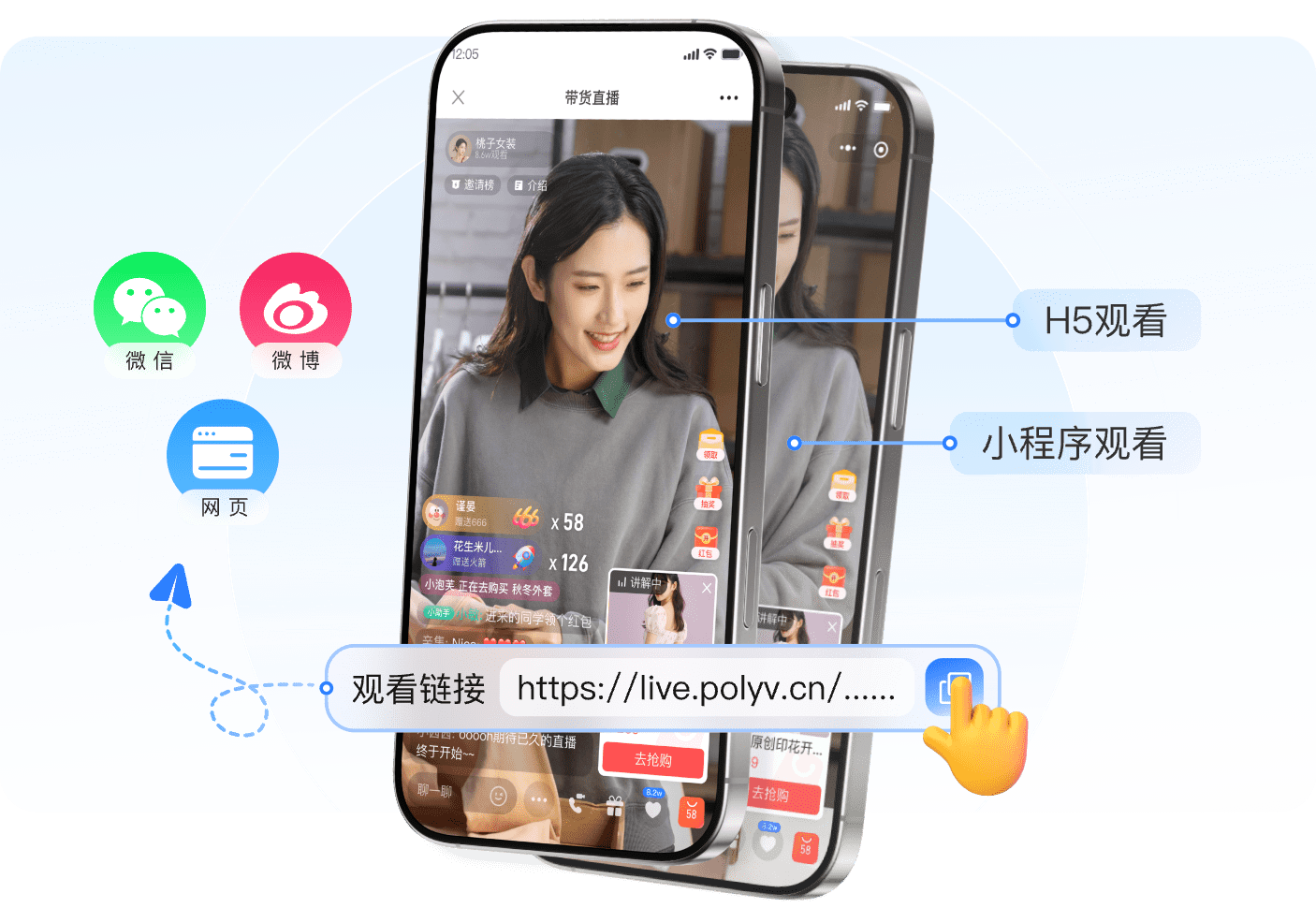
For alcohol brands seeking to add live streaming features to self-built WeChat Mini Programs, Polyv provides standardized lightweight live streaming SDKs and streamlined API integration schemes. Complex audio and video development expertise is no longer mandatory, significantly lowering technical barriers. The integration workflow is straightforward with short debugging cycles, allowing brands to launch live commerce functions on existing Mini Programs quickly. Low maintenance requirements remove the burden of dedicated technical teams, matching budget and operation realities of small and medium alcohol enterprises and enabling cost-effective deployment of exclusive private domain live streaming infrastructure.
(4) One-Click Live Launch & AI Video Clipping for Lightweight Ad Hoc Broadcasts
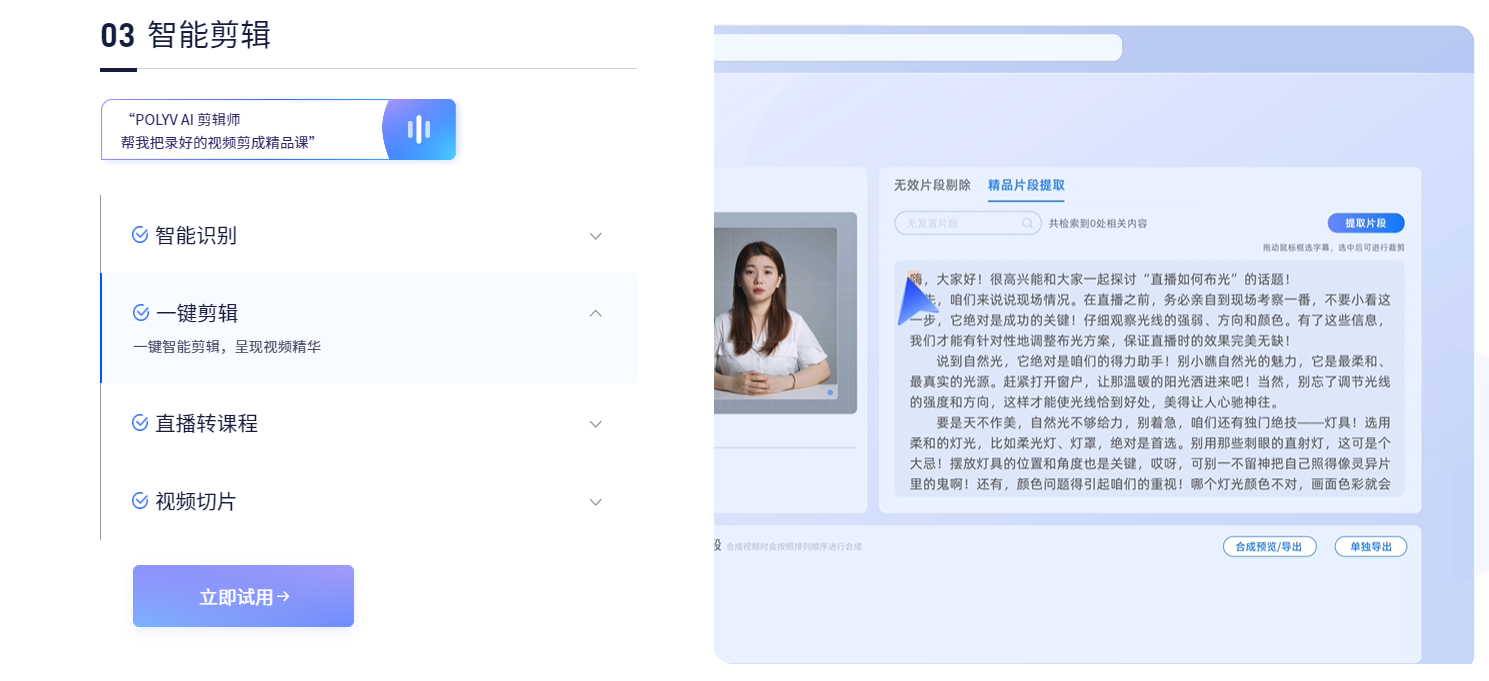
Designed for irregular, small-scale private domain alcohol live sessions, one-click live templates simplify live room construction, parameter configuration and pre-broadcast preparation, supporting instant and flexible launches suitable for tasting events, holiday promotions, member-only activities and distributor training. Paired with AI intelligent clipping tools, key highlights from live streams are automatically extracted to produce short videos covering product introductions, tasting evaluations and industry popularization. Single live content can be repurposed multiple times to greatly improve private domain content efficiency and cut expenses across repeated live sessions.
(5) Full-Lifecycle Data Archiving Enables Traceable Compliance for Transactions
The system supports seamless interconnection with brand-owned mall ERP and CRM systems, linking the full workflow covering live streaming, order placement, distribution, commission settlement and user management. Every group purchase order, distribution transaction and commission record generated during live broadcasts is archived to form fully traceable data ledgers. All operation records remain retrievable end-to-end, serving as complete compliance documentation during regulatory audits. The solution addresses the data archiving gap within alcohol private domain live streaming and facilitates standardized, compliant distribution operations.