
Upgrading Live‑Streaming Experience in the Entertainment & Performing Arts Industry: Solution for High‑Concurrency Ultra‑HD Performance Live Streams
As online performing arts formats keep evolving, concerts, stage plays and theatrical performances have gradually adopted a dual‑track operation model of “offline events + paid online live streaming”. Online PPV pay‑per‑view and exclusive cloud performances have become vital channels for performing‑arts organizations to boost revenue, expand reach and strengthen brand influence.
Live streaming for performing arts demands high industry standards for concurrency capacity, audiovisual quality, copyright security and audience engagement. Conventional live‑streaming architectures feature fixed computing power, limited image quality, weak copyright protection and simplistic interaction capabilities. They fail to meet core requirements for large‑scale performing‑arts events including instantaneous traffic surges, cinema‑grade viewing, paid‑content anti‑piracy and immersive atmosphere building. Issues such as stuttering, image distortion, rampant piracy and insufficient user stickiness frequently occur, restricting revenue growth and brand outreach for online performing‑arts events. Therefore, building a specialized performing‑arts live‑streaming system with high concurrency, ultra‑high definition, robust security and rich interactivity has become a core imperative for performing‑arts organizations to run regular online shows, unlock content value and improve commercial returns.
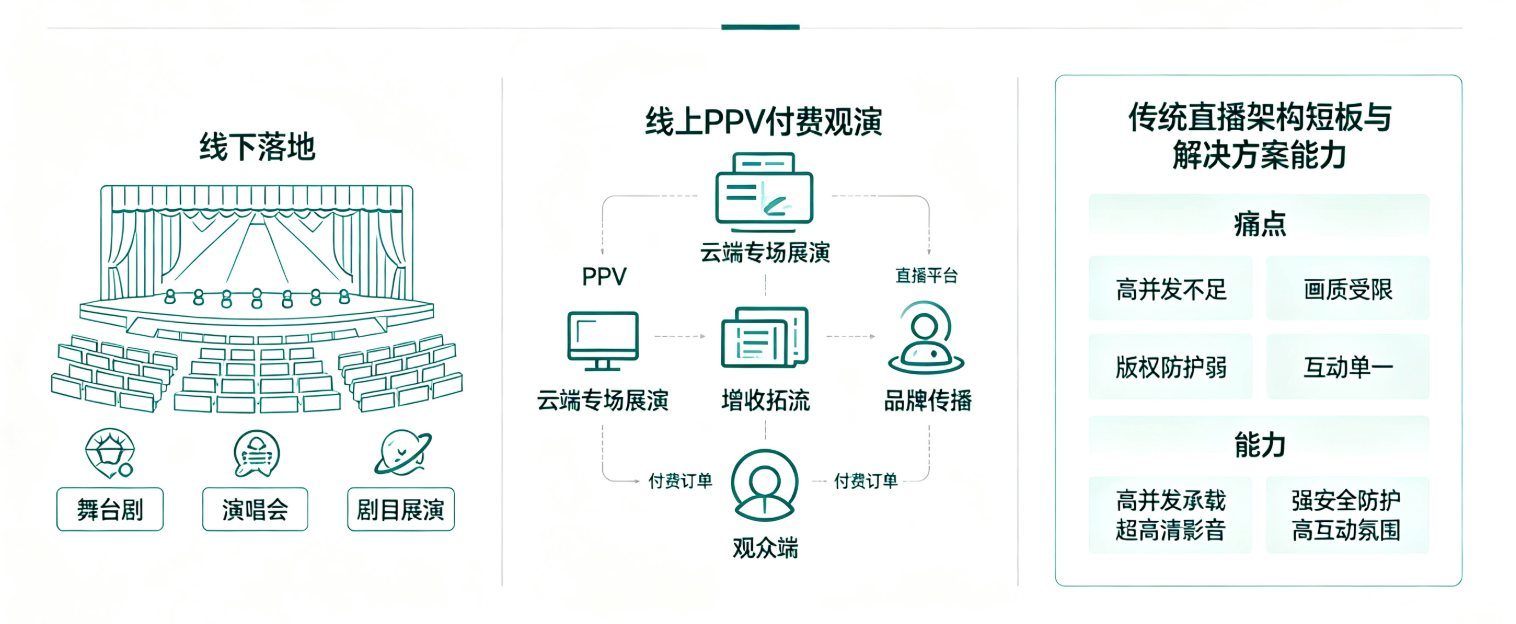
I. Key Deficiencies in Online Live Streaming for Performing‑Arts Events
(1) Volatile Traffic and Weak Stability under High Concurrency
Performing‑arts events cover venues of varying scales. Small‑scale theatrical shows target niche audiences, while major concerts and blockbuster IP productions draw massive audiences pouring in at once. When multiple shows go live simultaneously, server resource contention and network congestion are highly likely. Traditional live‑streaming architectures have limited elastic scaling and fixed computing resources. Unable to handle sudden surges of tens‑of‑millions‑level visits, they may suffer stuttering, slow loading or disconnection during viewing peaks. This impairs user experience and hinders stable delivery of large‑scale online performing‑arts sessions.
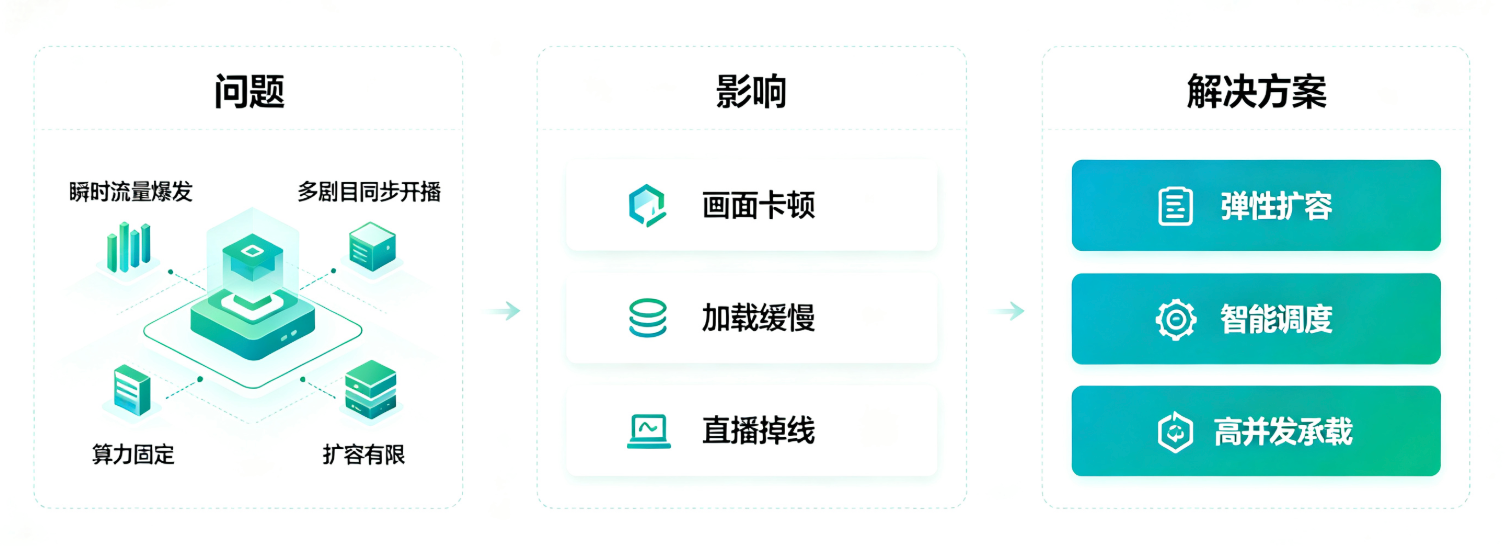
(2) Inadequate Image Quality Fails to Meet High‑Definition Viewing Expectations
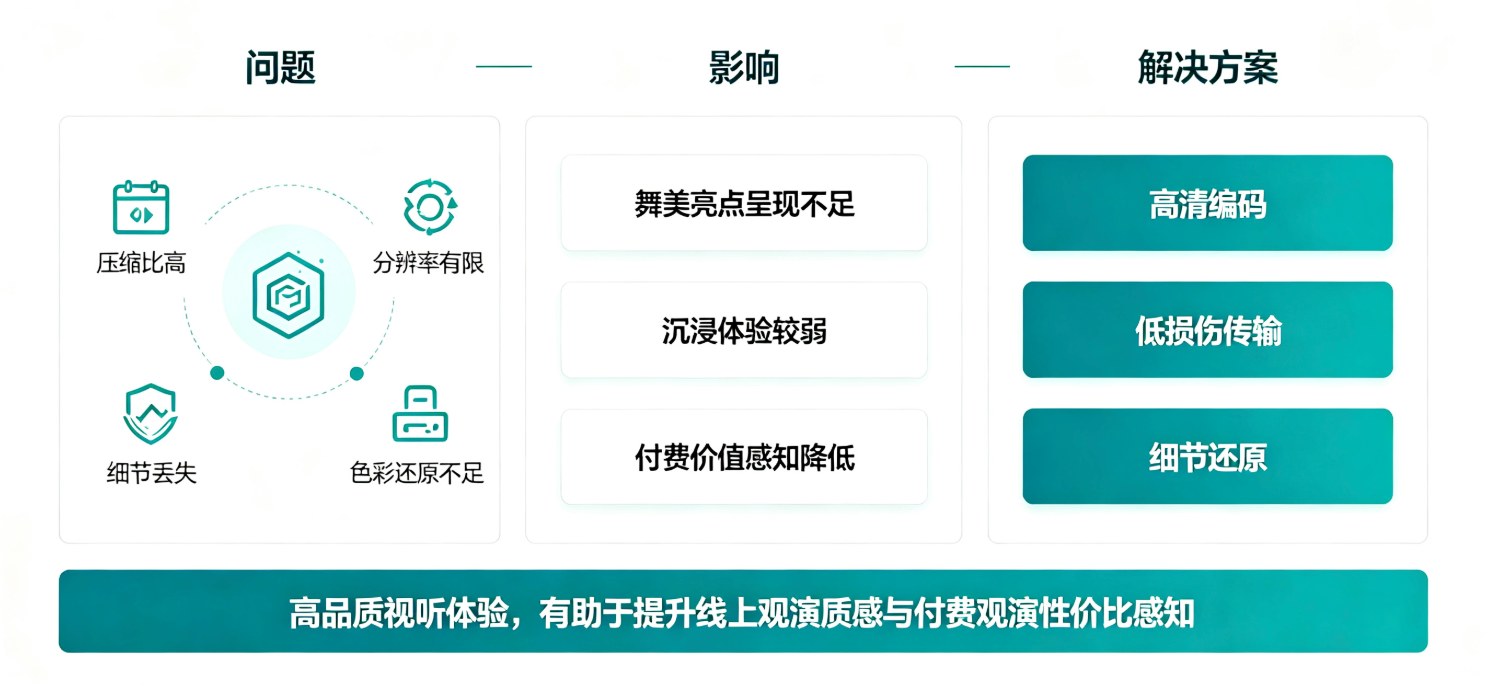
A core competitive edge of performing‑arts live streams lies in audiovisual quality. Audiences expect great detail in stage lighting, set design and special effects, pursuing immersive cinema‑grade online viewing experiences. Ordinary live‑stream distribution links apply heavy compression, deliver limited resolution and lose fine details. Color reproduction is poor and motion scenes appear blurry. Such systems cannot faithfully present stage design, theatrical details and lighting effects. The gap between online viewing and on‑site experience discourages paying audiences and weakens perceived value for paid tickets.
(3) Rampant Piracy Risks Revenue from Copyright Assets
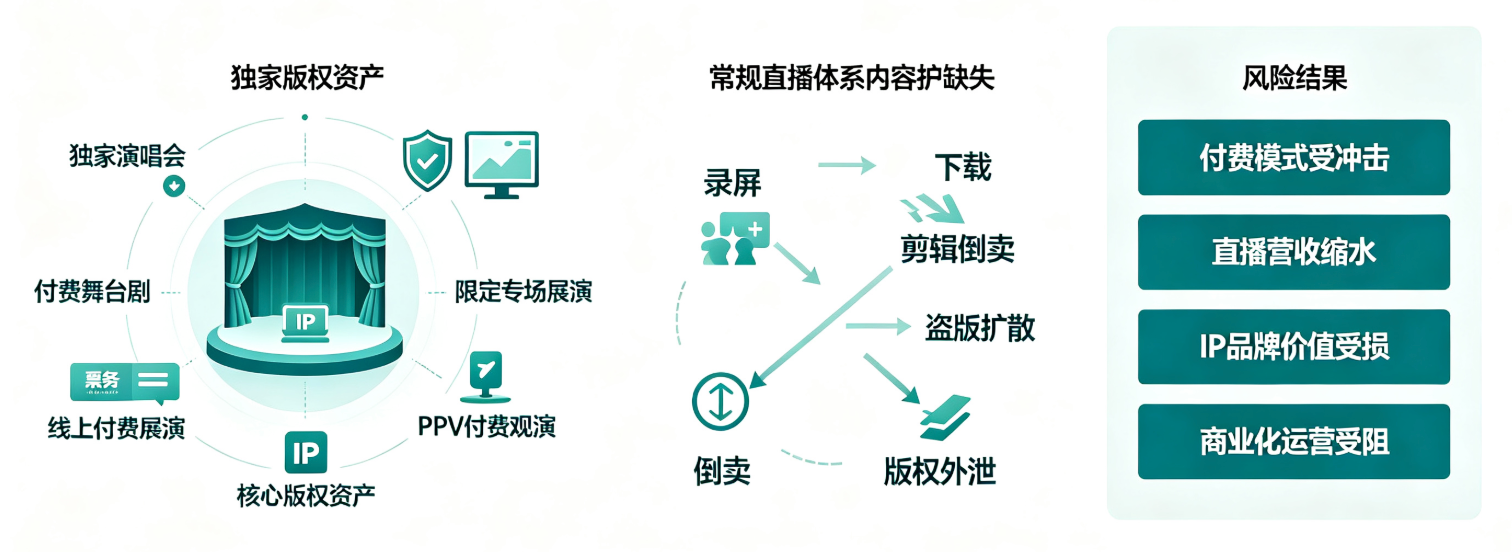
Exclusive concerts, paid stage plays and limited‑run performances represent core copyright assets of performing‑arts organizations and underpin the PPV pay‑per‑view business model. Conventional live‑streaming systems lack comprehensive content‑protection mechanisms. Users can easily record, download, edit and resell live‑stream content, leading to rapid piracy across the internet. Piracy disrupts paid‑view business models, erodes streaming revenue, leaks exclusive IPs and damages brand value. It obstructs standardized and sustainable commercial operation of the performing‑arts industry.
(4) Limited Viewing Atmosphere and Simplified Social Conversion Paths
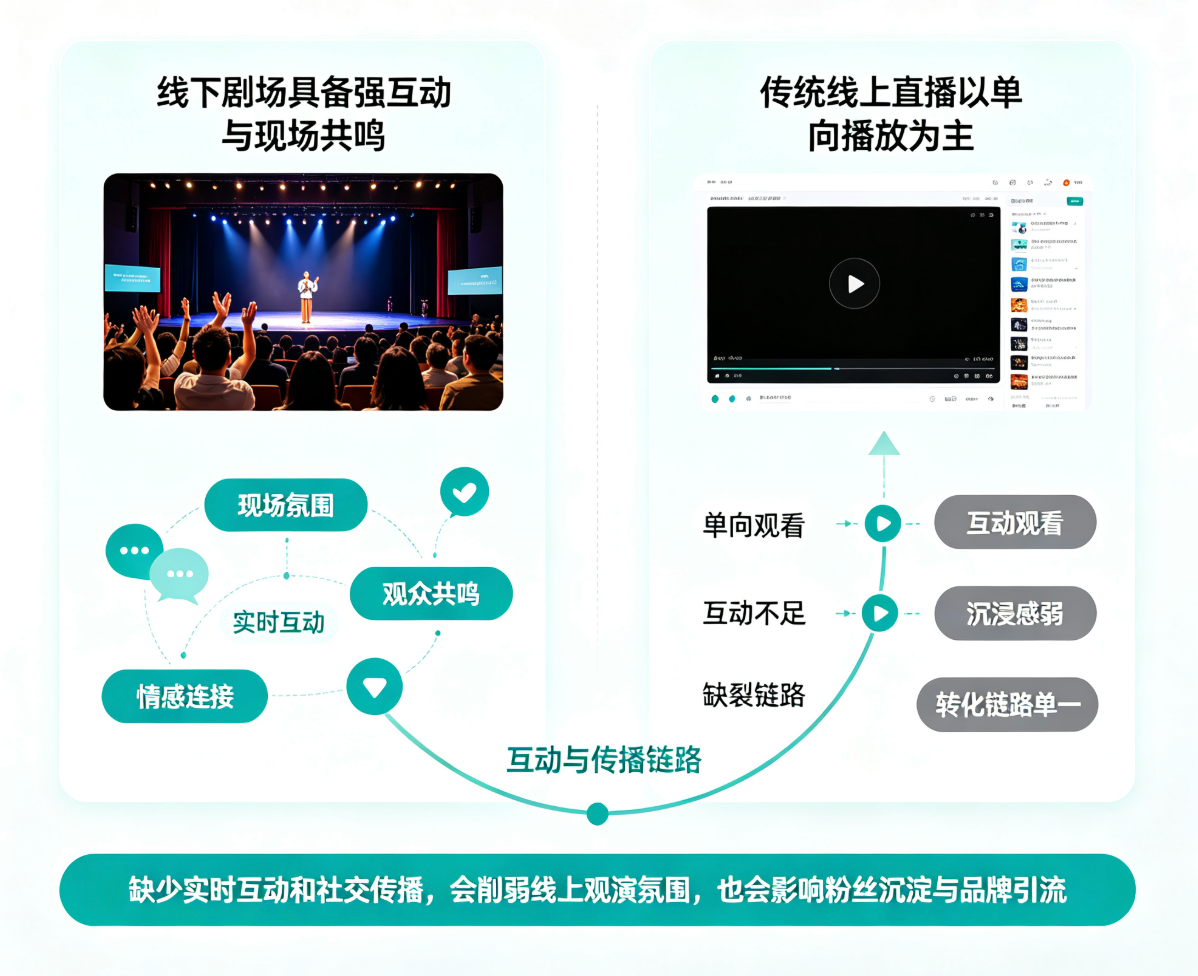
Offline theatres deliver unique experiences through on‑site vibes, real‑time audience reactions and collective resonance. Traditional online performing‑arts live streams are mostly one‑way broadcasts without mature real‑time interaction frameworks. Audiences cannot share feedback or engage with others, resulting in low immersion. Lightweight social sharing functions are also scarce, limiting organic secondary dissemination and online exposure. It becomes difficult to build fan bases, drive brand exposure and realize commercial conversion from live‑stream traffic.
II. Operational Approaches for Online Performing‑Arts Live Streams
Polyv is tailored for online live‑stream scenarios including concerts, stage plays and theatrical shows. Addressing four major pain points — high‑concurrency stability, high‑fidelity audiovisual experience, copyright protection and immersive interactive outreach — Polyv delivers an all‑in‑one performing‑arts live‑stream solution. It supports commercialized, high‑quality and regular online performance operations for performing‑arts organizations.
(1) Distributed Cloud Architecture for Elastic High‑Concurrency Support
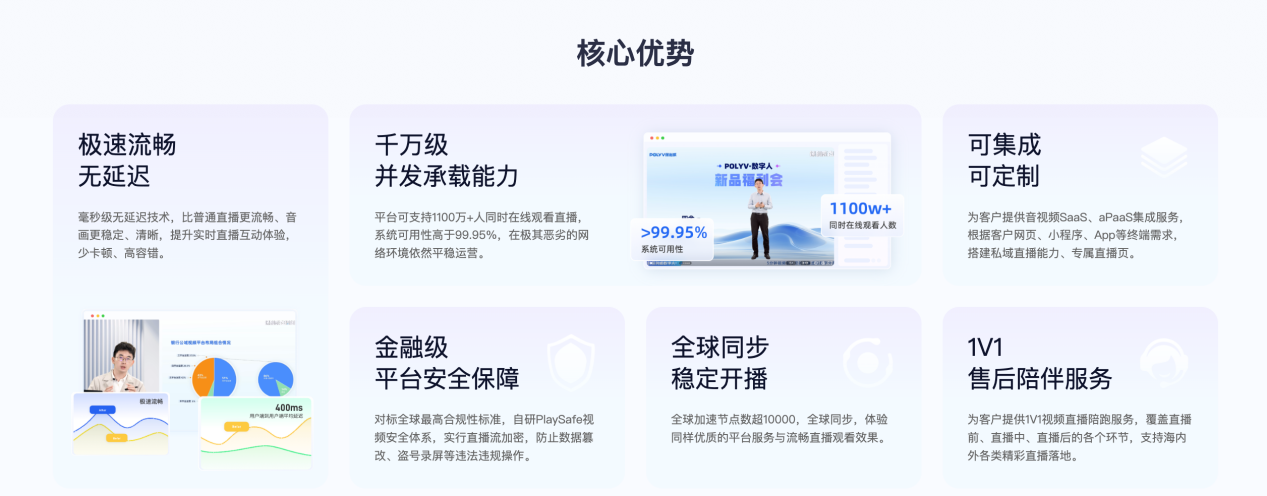
Powered by Polyv’s mature distributed cloud live‑streaming architecture, the solution delivers strong elastic scaling and traffic‑handling capabilities. It natively supports tens‑of‑millions of concurrent viewers and can stably sustain over 11 million concurrent visits, with 99.95% system availability. Backed by more than 10 000 global CDN acceleration nodes for worldwide synchronized content delivery, it adapts flexibly to traffic differences across venue sizes. It mitigates risks caused by sudden traffic spikes, resource contention during simultaneous broadcasts and congestion‑induced stuttering. Dynamic computing‑power scheduling and intelligent load balancing keep live streams smooth during peak viewership, enabling reliable regular broadcasts for flagship performing‑arts events despite massive concurrent access.
(2) Ultra‑HD Low‑Latency Transmission for Immersive Viewing
The platform provides native 4K ultra‑HD streaming distribution, faithfully restoring stage lighting nuances, special‑effect details, color fidelity and motion textures to satisfy high‑end performing‑arts live‑stream standards. Enabled by self‑developed PRTC ultra‑low‑latency transmission technology, end‑to‑end latency can drop as low as 400 ms. It minimizes timing gaps between online and offline viewing and prevents frame lag and audio‑video desync. Balancing ultra‑high definition and seamless playback, it reproduces immersive theatre‑like audiovisual experiences for online audiences, improves satisfaction among paying viewers and enhances the audiovisual competitiveness of performing‑arts IPs online.
(3) End‑to‑End Copyright Protection to Safeguard Commercial Value
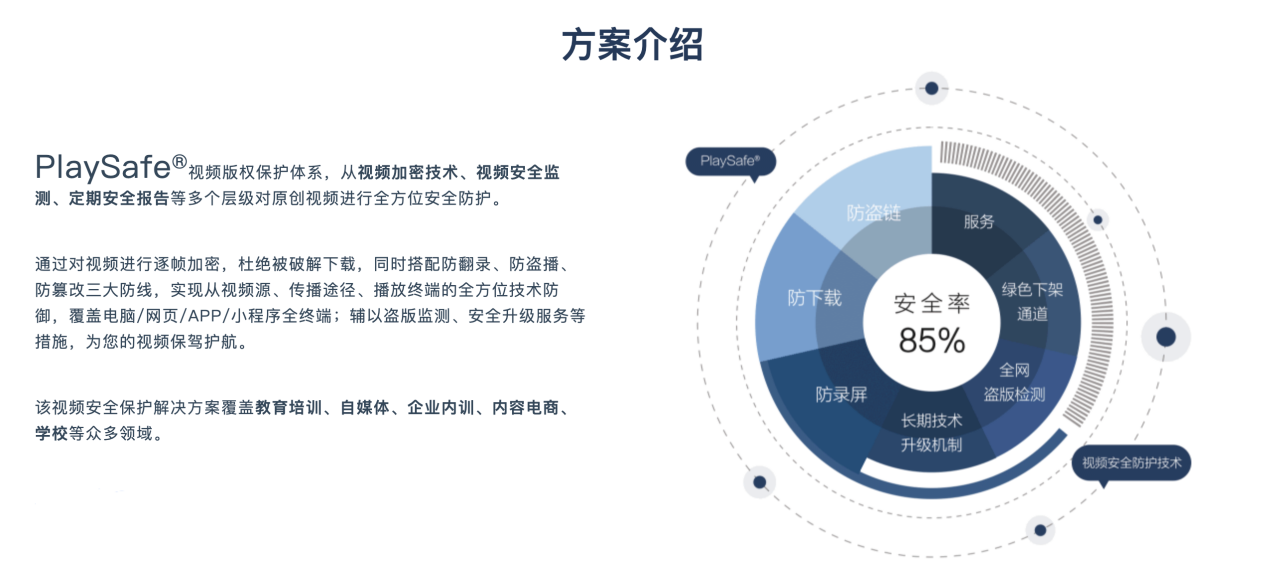
Equipped with the PlaySafe® end‑to‑end video copyright‑protection system, it integrates proprietary VRM encryption, full‑domain anti‑hotlinking, dynamic visitor watermarks, multi‑terminal anti‑screen‑recording and unauthorized‑dissemination blocking to build comprehensive safeguards for performing‑arts content. For copyrighted premium content including paid stage plays, exclusive concerts and limited shows, the solution blocks screen recording, unauthorized downloading, unapproved editing, resale and pirated redistribution at source. It curates widespread piracy, stabilizes the PPV pay‑per‑view business model, protects exclusive IP ownership and live‑stream revenue for performing‑arts organizations, and supports orderly commercial development of the industry.
(4) Full‑Scenario Interaction to Stimulate Traffic Dissemination and Conversion
The live‑stream room integrates a complete set of lightweight interactive tools, covering real‑time bullet comments, live chat and atmosphere‑building features. It breaks the limitations of one‑way traditional broadcasting. Viewers can post instant feedback and participate in online discussions to create immersive cloud‑based viewing atmospheres that narrow the distance between audiences and performers. Interactive features encourage organic user sharing and secondary distribution, expanding online exposure. Performing‑arts organizations can build fan bases, boost user stickiness, and improve traffic acquisition, brand building and commercial conversion from live‑stream events.
III. Core Value of Solution Implementation
Aligned with commercial‑operation requirements for online performing‑arts live streaming, this solution resolves key shortcomings of conventional performing‑arts live streams. It empowers performing‑arts organizations to deploy stable, ultra‑HD, secure and highly shareable online live‑stream systems, facilitates long‑term monetization of performing‑arts IPs and brand outreach, and fuels high‑quality development of the online performing‑arts ecosystem.