
How to Build a Mini-Program Live Commerce Loop with Products, Interaction, and Data
Mini-program live commerce is not only about playback. It requires product display, interaction, order jumps, and data analytics to form a private-domain conversion loop.
For brands doing mini-program live commerce, the real question is not only whether the live stream can play. It is whether viewers can interact, ask questions, receive coupons, click products, and move toward purchase smoothly. If the live room is separated from the product, membership, and campaign systems, viewing behavior is hard to turn into actionable data.
Bottom line: Mini-program live commerce requires more than video playback. It needs product display, product push, interaction, order jumps, and data review. Enterprises can embed the live room into their own mini program and connect product listing, product detail pages, shopping carts, coupons, check-ins, invitations, comments, and analytics. Inventory, pricing, payment, orders, refunds, and fulfillment should still be handled by the enterprise’s own commerce system.
01 How Should the Product Flow Be Designed?
POLYV’s mini-program live streaming solution supports embedding private-domain live rooms into existing merchant mini programs and provides product, interaction, and data capabilities around live commerce. Product operations can include product display, listing and delisting, detail-page editing, product push, sorting, and management.
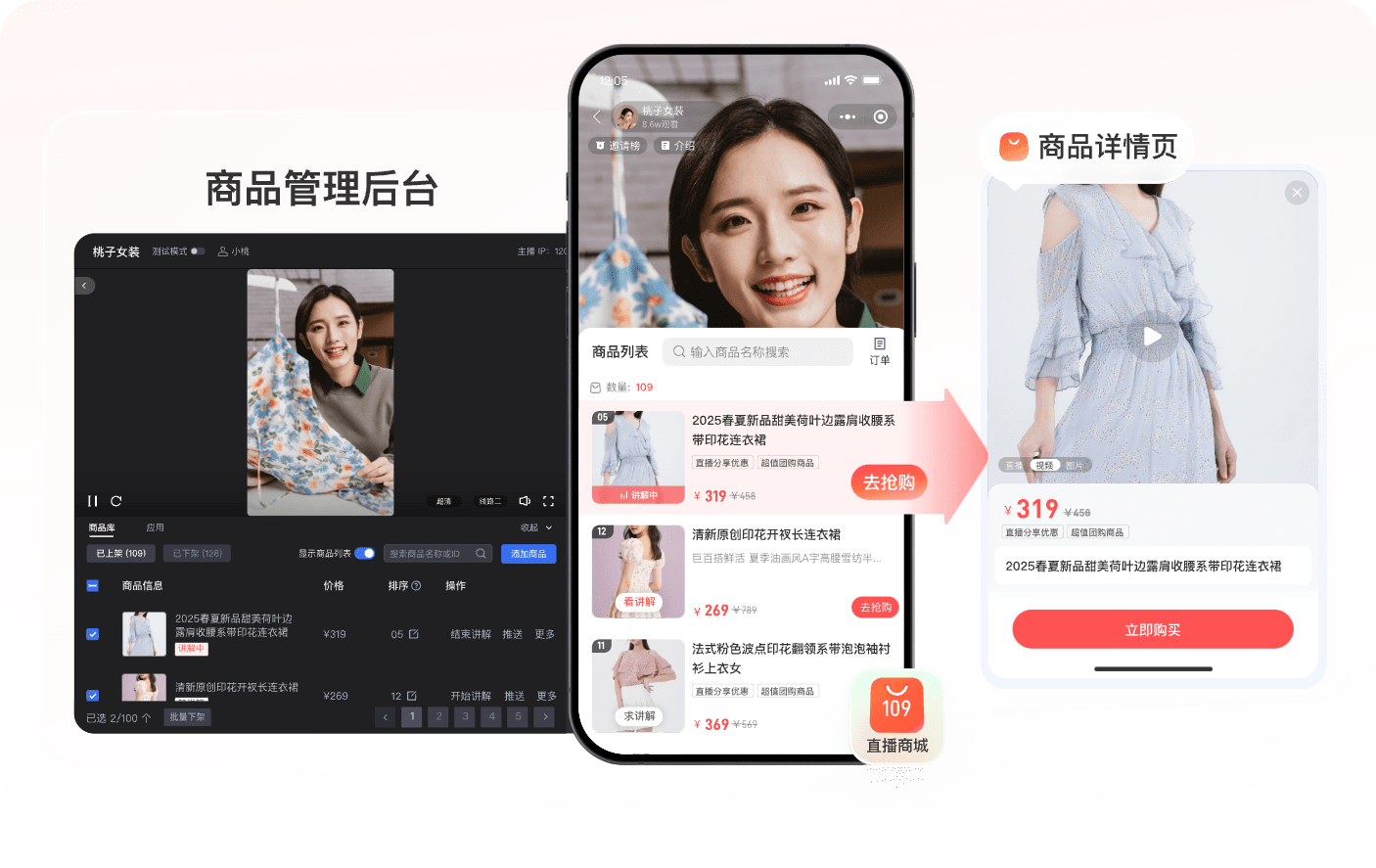
*Figure 1: Mini-program live commerce needs product management, product cards, and product detail pages to support conversion. Image source: POLYV Mini Program Live Streaming Solution*
In practice, the live system handles the live room, viewing, interaction, product display, and behavior data. The enterprise’s own commerce system handles inventory, pricing, payment, orders, refunds, fulfillment, and after-sales service.
02 Why Does Interaction Matter?
Conversion does not come only from product cards. Red packets, check-ins, invitation rewards, comments, and picture-in-picture experiences can increase dwell time, reduce drop-off, and support consultation and decision-making during viewing.
Interaction should serve the business goal. New product sessions focus on explanation and Q&A; member sessions focus on benefits; consultant sessions focus on consultation and purchase paths.
03 How Should Data Be Used for Review?
After the live session, the team should review visits, watch time, interaction, product clicks, order jumps, and follow-up actions. User IDs, product IDs, live sessions, traffic sources, and order attribution should be aligned before launch.
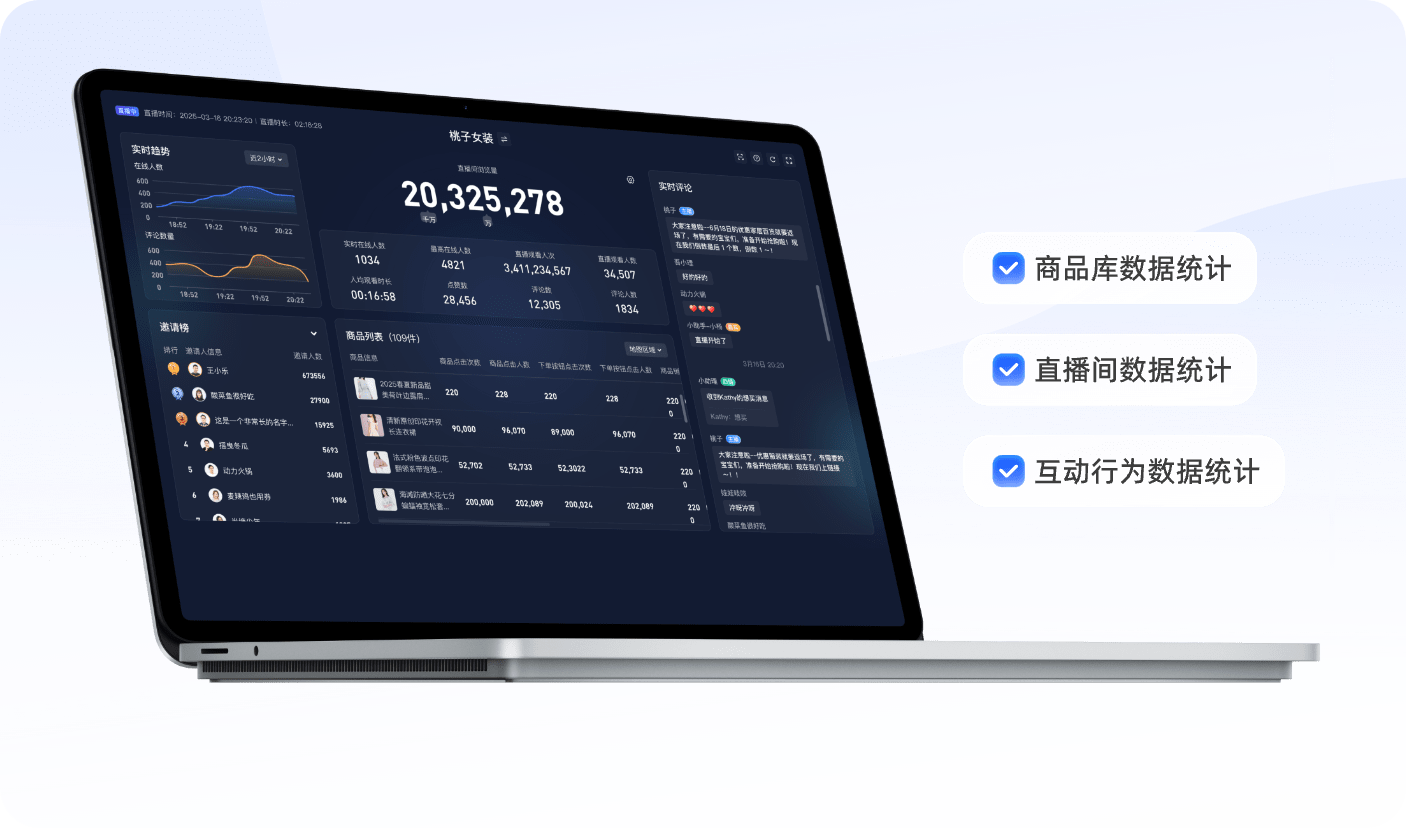
*Figure 2: Visits, product clicks, order conversion, and interaction data help brands review private-domain live streaming results. Image source: POLYV Mini Program Live Streaming Solution*
Mini-program live commerce is therefore a closed-loop design: reach and reservation before the live session, explanation and product conversion during the session, and replay, data review, and follow-up after it.
04 FAQ
4.1 Can transactions be completed directly in the live room?
The live room can provide product display and jump entries. Payment, orders, and fulfillment are usually handled by the enterprise’s own commerce system.
4.2 When should analytics be designed?
Before launch. Users, products, live sessions, and order attribution should be aligned early.
4.3 Which scenarios fit private-domain live commerce?
New product launches, member campaigns, brand sessions, store-consultant live streams, knowledge courses, and customer training all fit this model.