
How Should Enterprises Integrate Live Streaming Across App and WeChat Mini Program?
When both App and mini program need live streaming, clarify endpoint roles first: the App carries deeper services while the mini program receives WeChat private-domain traffic.
Many enterprises do not operate through a single private-domain entry. Their private-domain system often includes an App, mini program, communities, official accounts, and membership systems. Live integration should not mean rebuilding the same live room on every endpoint.
Bottom line: When both the App and WeChat mini program need live streaming, define the responsibility of each endpoint before choosing an integration path. The App usually carries deeper membership, orders, devices, or long-term services. The mini program receives WeChat private-domain traffic and lightweight viewing. If the mini program is compiled from uni-app tomp-weixin, the uni-app WeChat mini-program viewing component can be evaluated. App-side live integration should be evaluated separately according to the App technology stack.
01 How Should the App and Mini Program Divide Responsibilities?
The App is better suited for membership, orders, after-sales service, device services, learning progress, and repurchase reminders. The WeChat mini program is better suited for communities, official accounts, WeCom, and consultant sharing, allowing users to enter a live room without downloading the App.
Both endpoints can serve the same live session, but they do not need to carry the same business tasks. The App focuses on long-term service, while the mini program focuses on reach, sharing, and lightweight conversion.
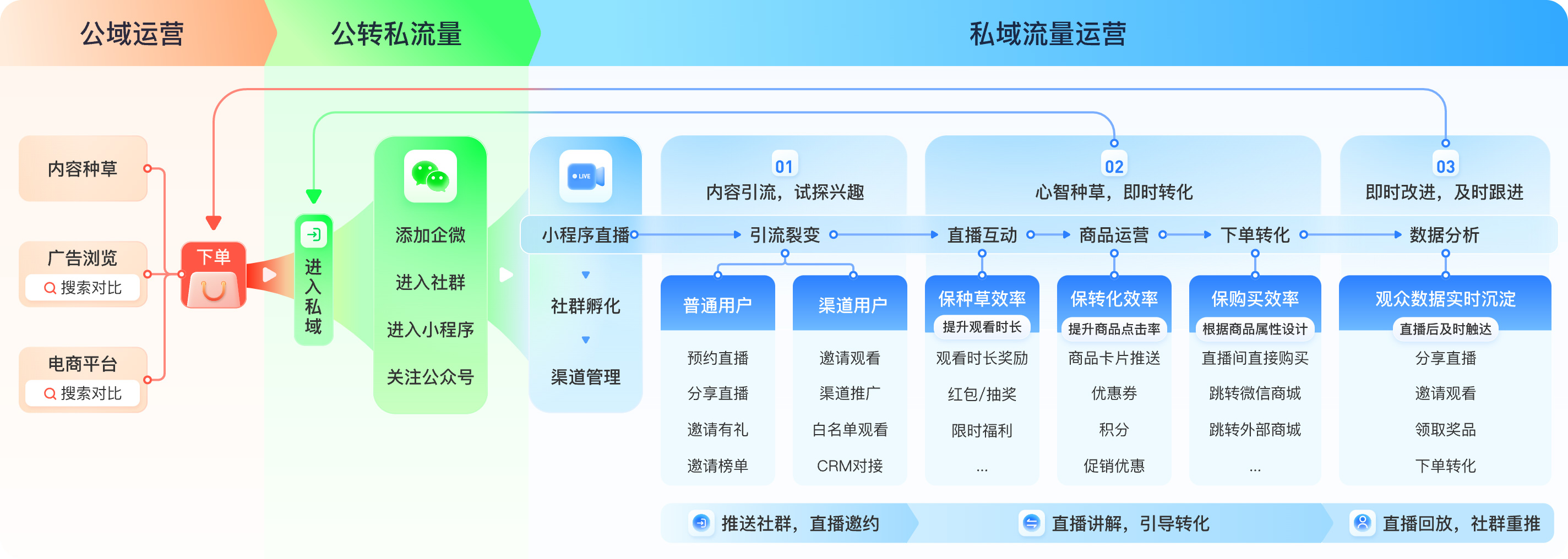
*Figure 1: App, mini program, communities, and product systems can work together around the same live session. Image source: POLYV Mini Program Live Streaming Solution*
02 What Does uni-app Solve?
If the mini program is built with uni-app, the uni-app WeChat mini-program viewing-page solution can reuse the existing project and page system. Live viewing, replay, chat, and interaction capabilities can be added to the mini-program endpoint through components.
The boundary must be clear: this solution focuses on the uni-app project compiled to the WeChat mini-program endpoint. App-side integration should be evaluated separately based on native App, uni-app, Flutter, HarmonyOS, or other technology stacks.
03 How Can Repeated Development Be Reduced?
The key is unified business mapping: channel, user, product, order, campaign, and data should be aligned across endpoints. When entry roles and data relationships are clear, live streaming becomes a shared private-domain content service across App and mini program.
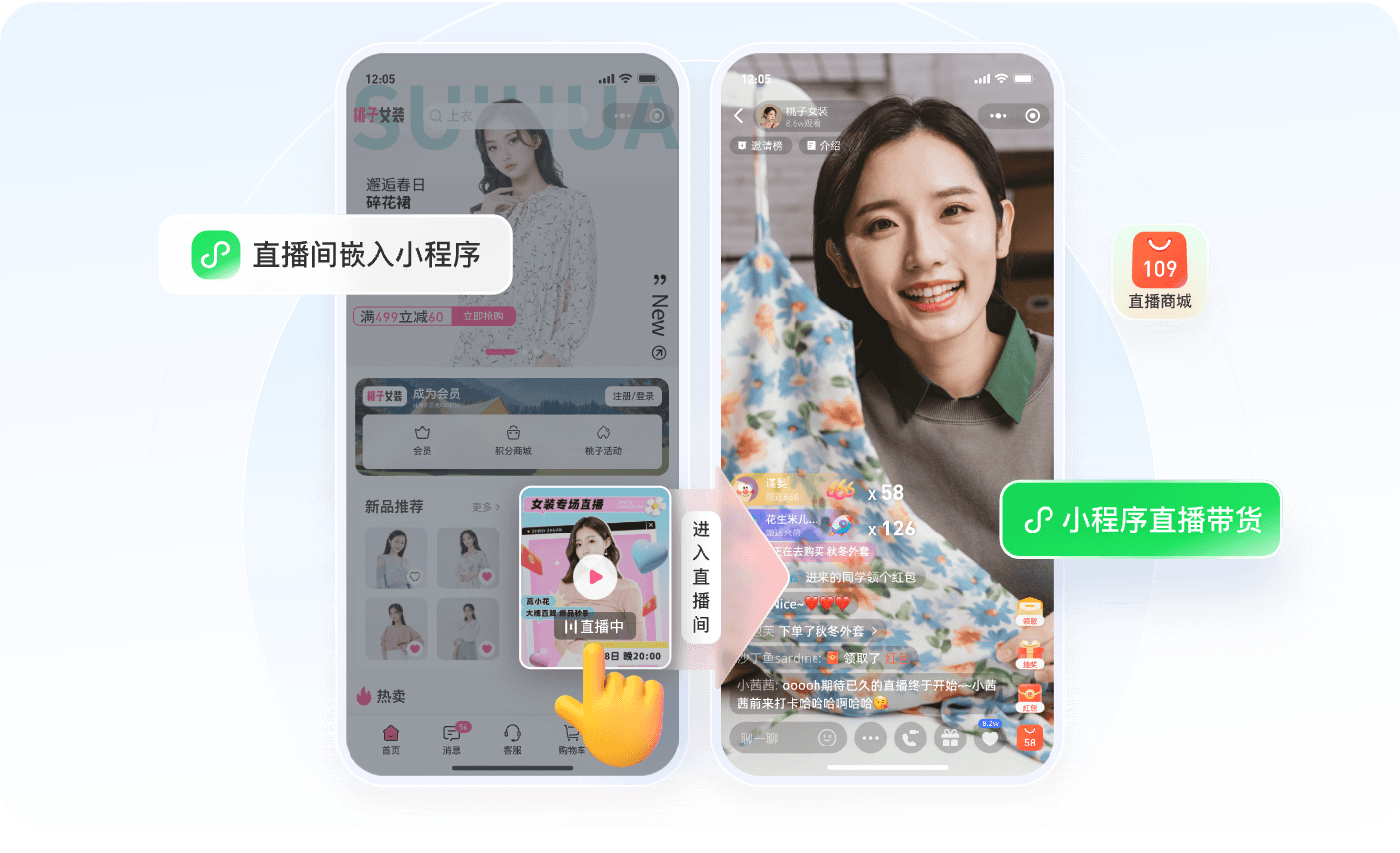
*Figure 2: The mini program can be a lightweight viewing entry in WeChat and complement deeper App-side services. Image source: POLYV Mini Program Live Streaming Solution*
04 FAQ
4.1 Can App and mini-program users watch the same live session?
Yes, but player options, SDKs, user identity, and business jumps should be verified for each endpoint.
4.2 Does uni-app mini-program integration mean the App is also integrated?
No. The WeChat mini-program viewing component targets themp-weixinendpoint. App integration requires separate evaluation.
4.3 What is often overlooked in multi-end integration?
Data mapping. Without unified user, product, order, and live-session IDs, later review becomes difficult.