
How Can Parent Meeting Live Streams Convert Trial Users to Paid Courses? Mini Program Course Cards and Live Sales Design
For education providers, parent meeting live streams should connect course value explanation, interaction, course card recommendation, WeChat payment, and data return into a complete trial-to-paid conversion flow.
For education providers, trial-to-paid conversion is often not about whether they can run one more live session. The real challenge is whether the live session can connect “explaining clearly” with “making purchase easy”.
In programming courses, enrichment education, language training, and similar scenarios, users may have already experienced several trial lessons in the App. When the conversion stage arrives, the institution usually organizes a parent meeting. The teacher explains the learning plan, course value, student progress, and the next course package, then guides parents toward full-price course purchase.
This type of live stream is different from an ordinary public class.
A public class is more like content acquisition. Its goal is to help users recognize the value of the course. A parent meeting for conversion is closer to a focused sales event. It needs to explain why the child should continue learning, and it also needs to place the course package, benefits, price, and purchase entrance where parents can understand and act immediately.
Therefore, the focus of mini program live course sales is not only whether the live room can be opened. It is whether the course card appears at the right moment, whether parents can understand it, whether the purchase path is smooth, and whether data can return to the follow-up process.
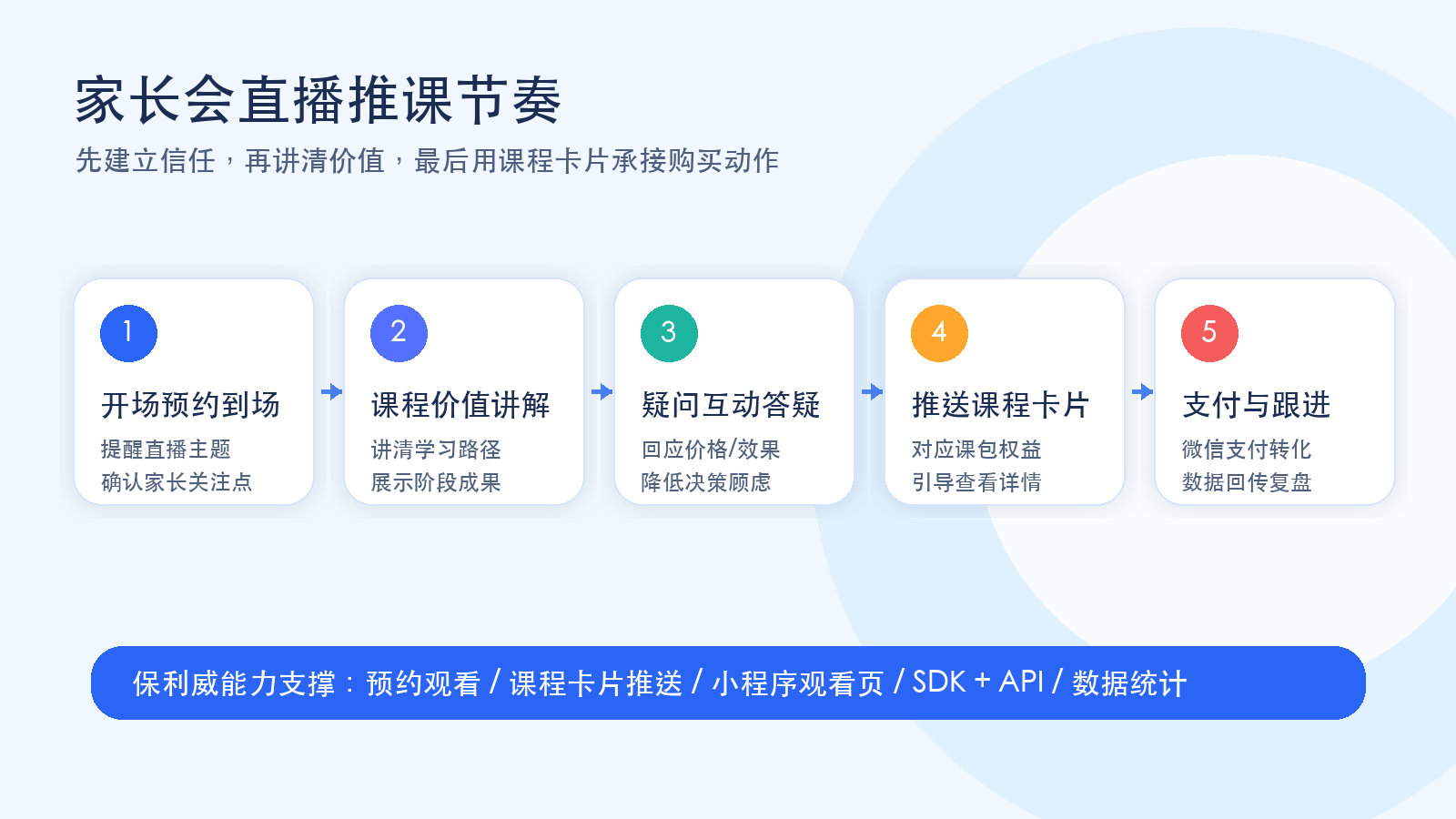
01 Why Are Parent Meeting Live Streams Suitable for Trial-to-Paid Conversion?
Users of low-price or trial courses have usually had initial contact with the course, but they have not yet made a long-term paid learning decision.
At this stage, parents are not simply asking whether there is another class to attend. They care about more specific questions: Is the child suitable for continued learning? What is the next learning plan? What problems can the course solve? What are the price and benefits? What is the difference between buying now and buying later?
These questions are difficult to explain fully with a static page.
The value of a parent meeting live stream is that the teacher can explain the course logic more completely: review the child’s learning experience, clarify the skill development path, present the next course arrangement, and finally recommend the appropriate package to parents.
If this process happens in a WeChat mini program live room, parents can enter from a WeChat group or enterprise WeChat notification, listen while viewing the course card, and then click into the course details and payment path. The conversion action feels more natural than simply sending a purchase link.
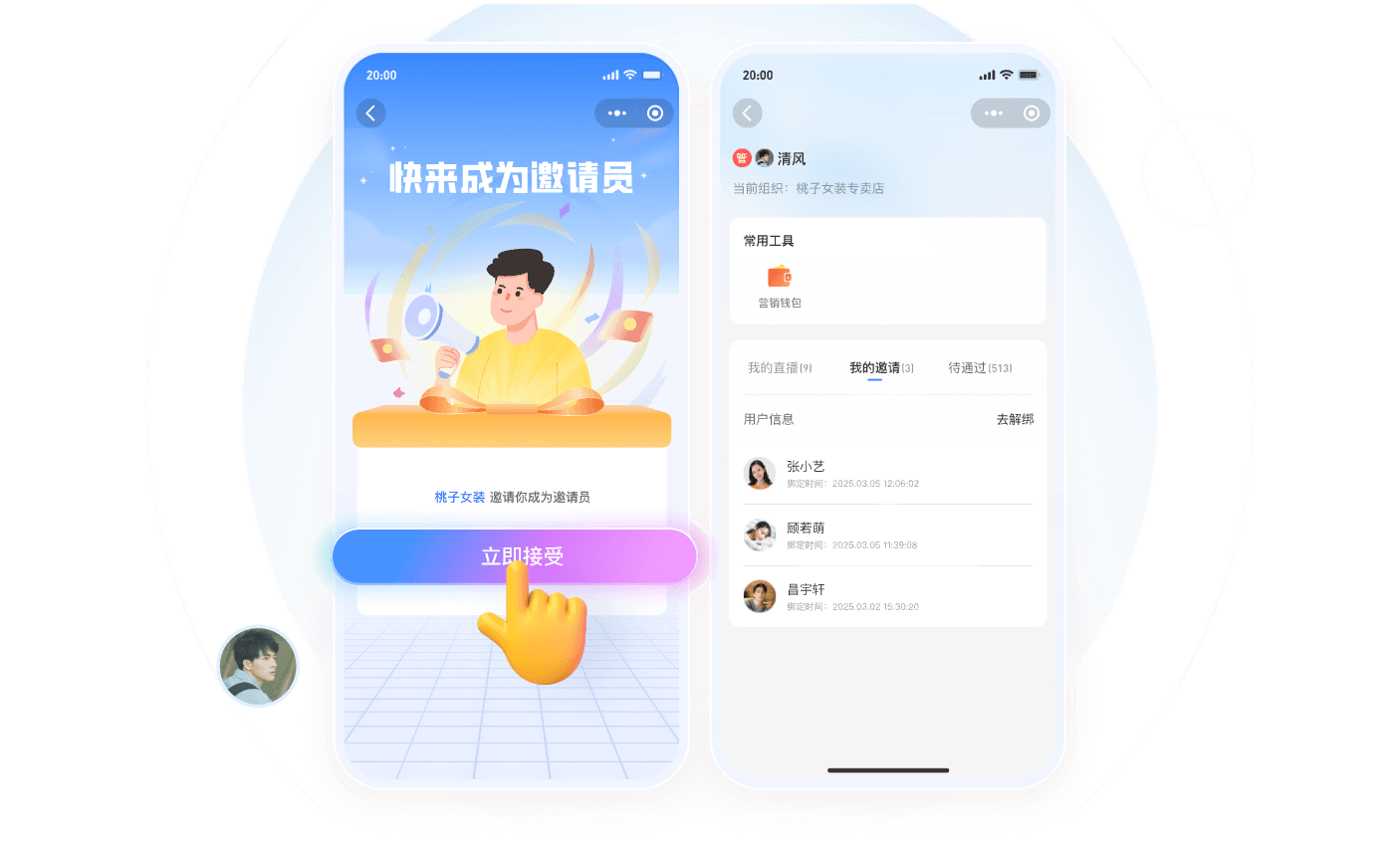
02 A Course Card Is Not an Ad Slot, But the Conversion Anchor
When education live streams fail to convert well, the reason is not always poor teaching. Often, the course recommendation action and the purchase entrance fail to capture users’ interest at the right moment.
A course card should appear when parents have already understood the value and are making a purchase decision, not immediately at the beginning of the live stream.
A more reasonable rhythm is: use the first few minutes to clarify the topic and target audience, then explain the course system and learning path, and then answer common questions using trial-course feedback. When parents understand what problem the course solves, which child it suits, and how the follow-up learning works, pushing the course card becomes much more natural.
The course card should not only show a course name.
For parents, the card should carry several key pieces of information: course package name, suitable age or learning stage, core benefits, class schedule, and purchase entrance. After the operator pushes the card in the live room, the teacher can explain it verbally, helping parents understand that the card corresponds to the package or class type just discussed.
In this way, the course card is not an isolated ad placement. It becomes the bridge between live content and payment action.
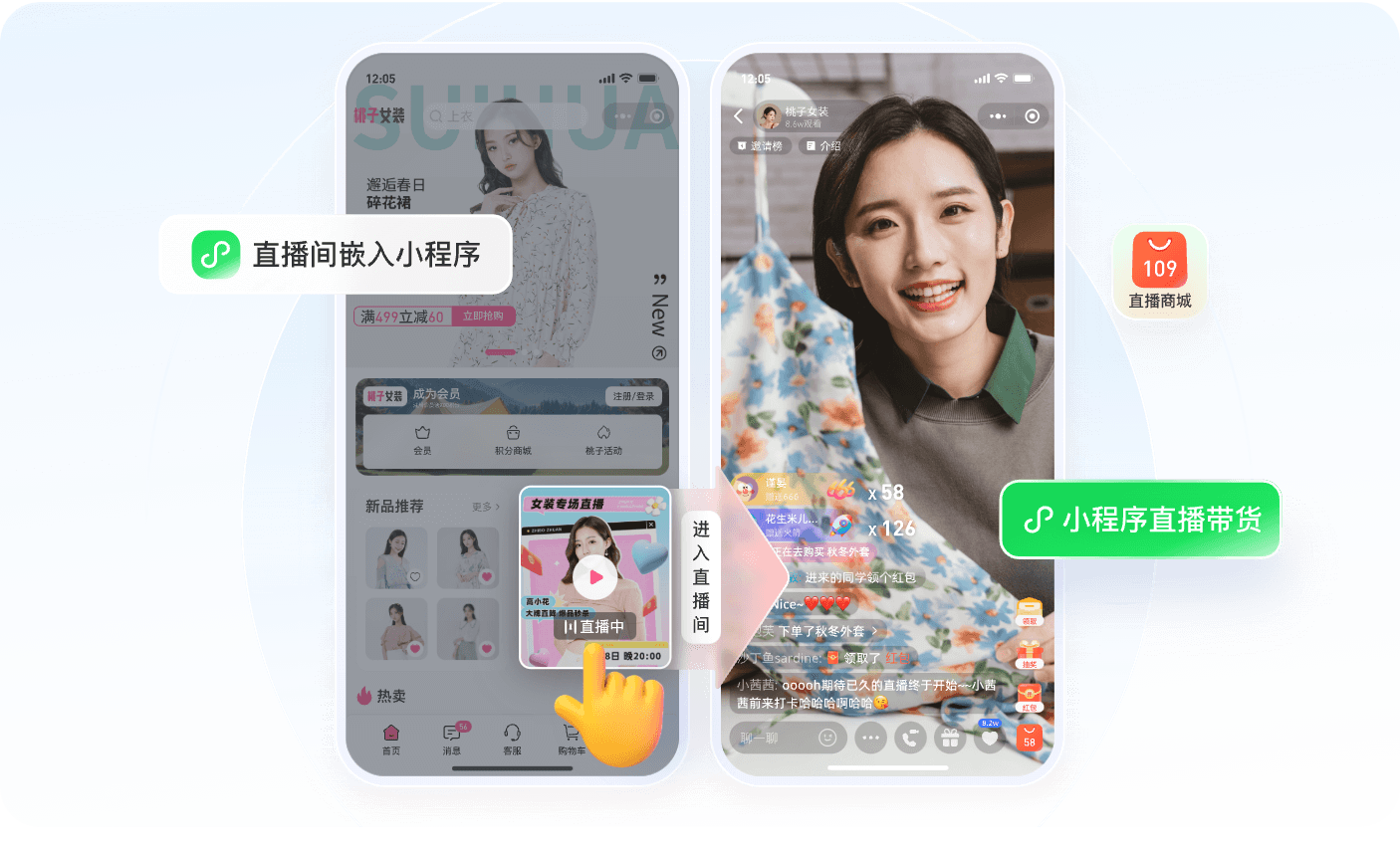
03 What Product Capabilities Does a Trial-to-Paid Live Room Need?
First, reservation and reminder capabilities are needed.
Parent meeting live streams usually have scheduled sessions, such as two sessions per week or concentrated sessions after trial courses end. Reservation helps institutions estimate interested users in advance and remind parents before the session starts.
Second, a stable vertical viewing page is needed.
Most parents enter the live room from mobile phones, and vertical viewing better fits WeChat usage habits. The live room needs stable video, smooth playback, comments, announcements, and interaction, so that teacher explanation and operational reminders can happen at the same time.
Third, course card or product recommendation capability is needed.
In education course sales, the course card is a productized expression of the course package. It needs to present the package, benefits, and purchase entrance in the live room, helping parents move naturally from “understanding” to “clicking to view”.
Fourth, payment and order systems need to connect.
The live room itself does not always complete the whole transaction, but it should guide users to the institution’s existing mini program mall, course detail page, or payment page. After payment, orders, course entitlement, and learning services should return to the existing course system.
Fifth, data analytics and return are needed.
Trial-to-paid conversion does not end when the live stream ends. Institutions need to know which parents made reservations, who attended, who clicked the course card, who paid, and who watched but did not buy. These data points affect sales follow-up and advisor service.
04 How Can POLYV Support This Scenario?
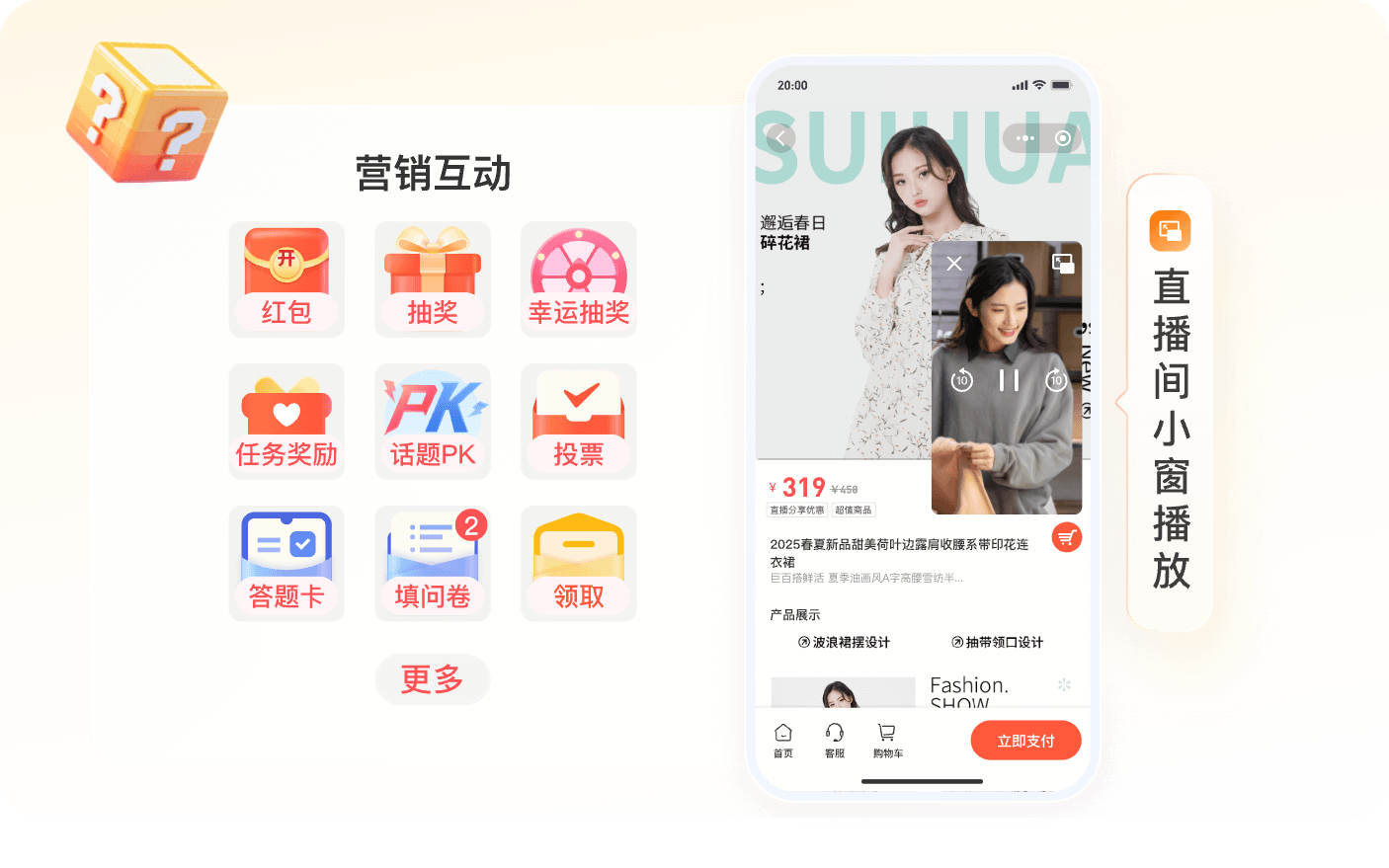
For education providers running parent meeting live streams and trial-to-paid conversion, POLYV can provide mini program live viewing pages, reservation viewing, live interaction, course or product recommendation, and data analytics. These capabilities help institutions upgrade a “lecture live stream” into a “conversion-oriented live stream”.
For mini program integration, POLYV supports native WeChat mini program integration and uni-app framework integration. Education providers that already have an App, mini program, course mall, or order system can choose an appropriate viewing page and player solution according to their technology stack, mini program qualifications, player capability requirements, and launch schedule.
If the institution wants to launch quickly, Webview integration and plugin plus SDK integration can connect the live viewing page and interaction capabilities to the mini program. If deeper business integration is needed, live SDKs, Web viewing page SDK, Web interaction receiver SDK, player capabilities, and API interfaces can connect channel information, user identity, course cards, viewing behavior, click behavior, and payment results with existing business systems.
In the actual flow, POLYV can support live viewing, interaction, course recommendation touchpoints, and data capabilities. Course details, WeChat payment, order fulfillment, and follow-up learning services can continue to be handled by the institution’s existing mini program mall, course system, or CRM.
The benefit is that the institution does not need to rebuild a complete platform. It can use the mini program live room as the entrance for trial-to-paid activities: parents enter from WeChat, teachers explain the course value, operators push course cards, parents click into the purchase path, and the backend returns viewing, clicking, and payment data to the business system.
About POLYV
POLYV is a leading enterprise-grade video SaaS brand. From 2020 to 2025, POLYV ranked No. 1 on the Enterprise Live Streaming Service Provider Ranking for six consecutive years. Its core products and services include low-latency live streaming, video on demand, MR live streaming, digital humans, and live streaming studios, providing enterprises with integrated services such as private-domain video technology and platforms, content operations, and live streaming operations and execution for digital transformation.
Since its founding in 2013, POLYV has served the CCTV Spring Festival Gala live broadcast for six consecutive years. It has also provided video live streaming systems and services for large enterprises and financial institutions, including China Construction Bank, China Everbright Bank, Bank of Ningbo, Kingdee, Tencent, Huawei, iFLYTEK, Midea, and NetEase.