
Budgeting for B2B Live Marketing: Viewing Usage, Storage, and Implementation Costs
Plan B2B live-event budgets across viewing demand, storage, implementation, and internal labor without assuming a universal pricing model.
A B2B marketing team’s streaming budget often starts with the number of events planned for the year. Actual costs also depend on viewing duration, simultaneous events, replay retention, and who configures pages and transfers data. Comparing a single annual price can leave substantial work outside the procurement estimate.
Divide the budget into platform and usage, content storage, implementation, and event operations. Request proposals against normal, growth, and peak scenarios. Registrations help estimate demand; viewing, replays, and simultaneous events help define service requirements. The applicable charging model must be confirmed in the current proposal and contract.
01 Build an activity calendar first
List product briefings, industry webinars, and customer sessions with their frequency, duration, participation format, and access scope. Four sequential events and four simultaneous regional events can require different accounts, channels, and staffing.
Separate registrations, expected attendees, and concurrent viewers. Use your own historical records where available. Without a reliable baseline, run a pilot and ask how the resulting ranges affect configuration and costs. Conversion ratios from unrelated events are poor substitutes for your audience data.
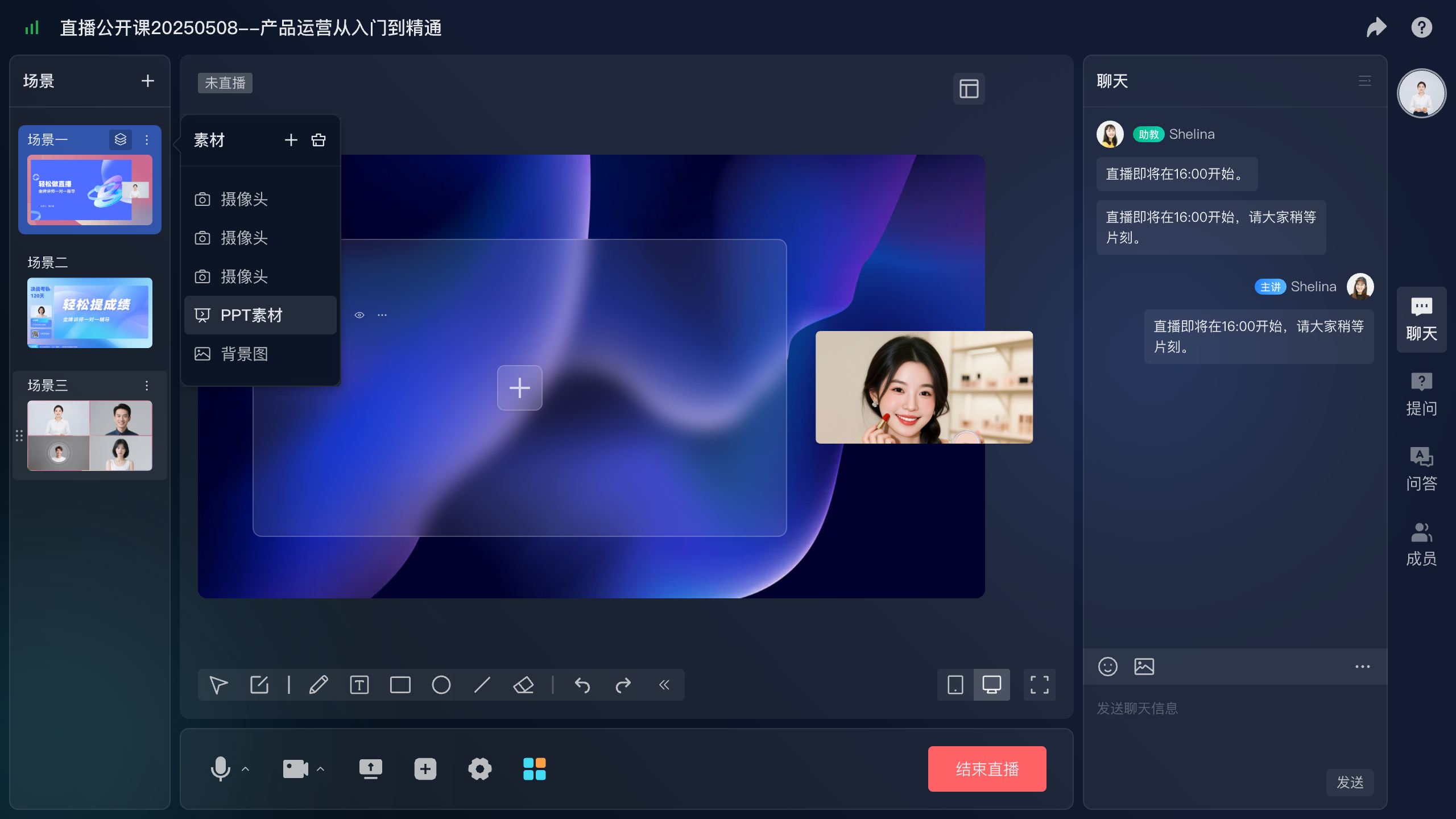
Record how speakers and staff will collaborate. Remote guests, demonstrations, and moderated questions create different preparation demands. POLYV’s scene and material organization can support that preparation; ask the actual operator to perform a scene change during evaluation.
02 Estimate viewing demand without inventing a pricing formula
Expected viewers multiplied by average viewing duration provides a useful demand estimate. Estimate replay usage separately. This describes business volume; it is not a universal vendor billing formula. Confirm included resources, overage treatment, and measurement periods for the selected service.
A product update and a technical question session can have similar audience sizes but different viewing patterns. Estimate them separately so that changes in demand can be explained.
For peak scenarios, describe simultaneous events and concentrated attendance. Ask the provider to confirm the service configuration and validation approach. Capacity and support commitments belong in the proposal, not in assumptions drawn from numbers displayed in a screenshot.
03 Budget for the recording lifecycle
Recordings may continue to serve customers who missed the session, need technical explanations, or browse a content collection. POLYV Video on Demand offers storage and management capabilities. Establish where recordings will reside, who manages them, how long they remain, and how subsequent playback is treated commercially.
Distinguish original recordings, public replays, and edited versions. These may coexist or be retained selectively. Removing a page does not necessarily delete its underlying file. Define unpublishing, archiving, and deletion as separate actions.
Test with a real video: add it, change its title, replace a version, and end public access. This reveals maintenance work that a feature checklist may hide. Confirm any separate storage, processing, or playback charges rather than inferring that a capability is included without limits.
04 Tie implementation costs to explicit requirements
Standard registration and viewing pages mainly require fields, appearance, permissions, and notification settings. Connecting an existing identity system, returning data, or embedding the experience in a website adds mapping, integration, exception handling, and acceptance testing.
POLYV provides registration, access settings, and developer resources. Distinguish access to an API from implementing your business connection. The first concerns product availability and usage conditions; the second requires people, customer-side systems, and maintenance.
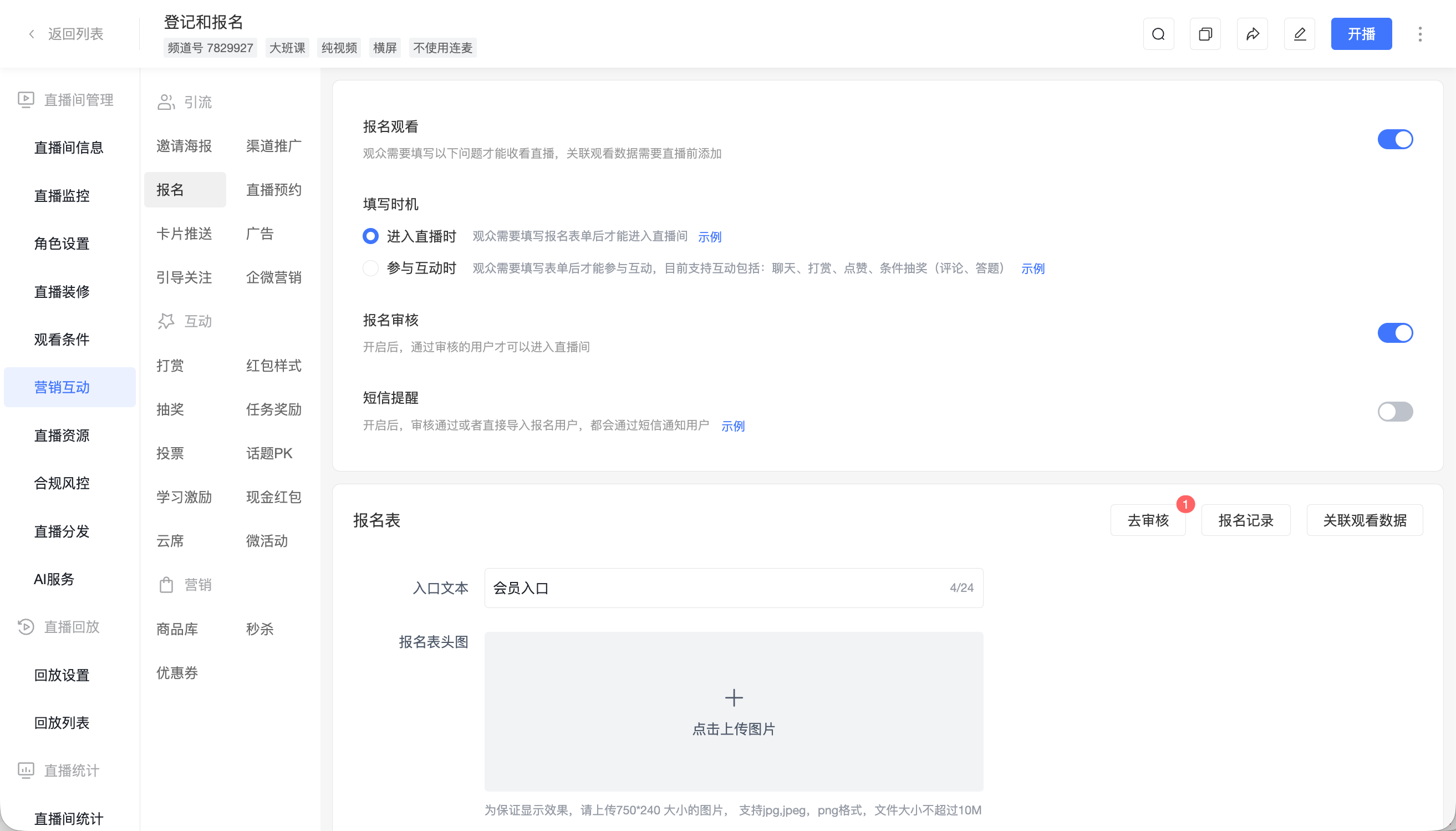
Ask for deliverables by task: field design, page changes, identity integration, imports, testing, and training. This makes scope comparisons meaningful and gives later changes a clear basis.
05 Include internal labor
Page preparation, speaker rehearsals, registration review, and request organization all consume staff time. A lower platform fee does not necessarily reduce total cost if each event still requires manually combining several lists.
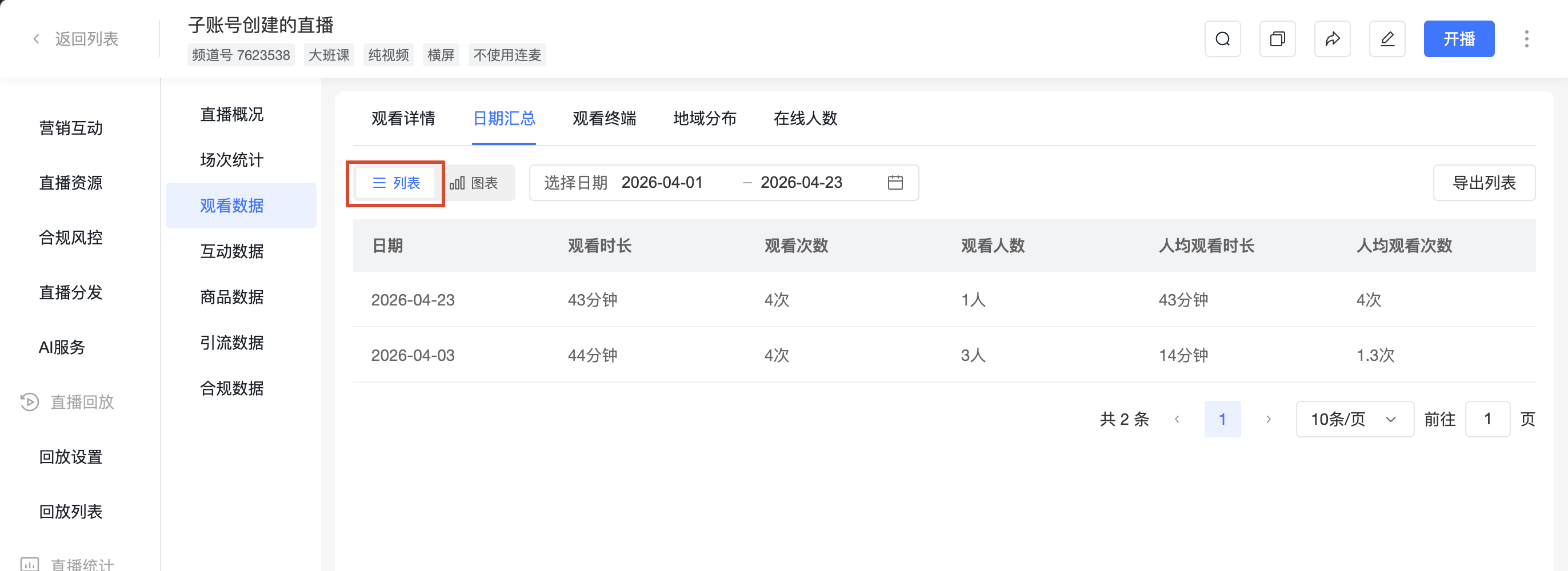
Establish baselines for initial setup, subsequent changes, live staffing, and data handoff. When testing POLYV statistics and exports, verify that the output meets the team’s actual reporting needs. Include additional cleaning or matching work in the operating plan.
Separate one-time and recurring investment. Initial templates and integrations differ from routine event operations. Combining them into one average per-event figure can understate launch costs or overstate the cost of a mature program.
06 Compare proposals against the same scope
Give providers the same calendar, demand ranges, replay retention requirements, and integration list. Request explicit included items, additional charges, delivery responsibilities, and change procedures. Record uncertain items as conditions requiring validation rather than hiding them behind one total.
Acceptance should cover registration, viewing, interaction, session completion, replay, and export. Feed the observed effort back into the budget. Any contingency should correspond to an identified uncertainty, such as additional events or interface changes, rather than an arbitrary percentage.
07 Frequently asked questions
7.1 Is basic viewing enough for a low-frequency program?
Check the task first. Even occasional customer sessions may require identity controls, registration approval, or technical collaboration. Frequency affects scale; requirements determine scope.
7.2 Can registrations directly determine viewing charges?
Registrations help predict demand. Charges follow the chosen contract. Describe registration, viewing, concurrency, and replay separately when requesting prices.
7.3 When is integration worth funding?
Measure manual handoff frequency, effort, and errors, then compare these with ongoing integration maintenance. Automating a stable, recurring task is easier to justify and verify than connecting every possible data point at once.
08 About POLYV
POLYV provides enterprise live streaming, webinars, Video on Demand, and developer capabilities. B2B teams can define procurement around event delivery, registration, replays, and data handoff, then use a complete pilot to establish configuration, responsibilities, and operating costs.