
Native Mini-Program SDK or uni-app Live Solution: Which Should Enterprises Choose?
A native SDK offers deeper control, while the uni-app solution improves engineering reuse and launch efficiency. Enterprises should choose by business complexity, technology stack, and mini-program qualifications.
When enterprises plan WeChat mini-program live streaming, the first technical question is often whether to use a native mini-program SDK or a uni-app solution. The answer depends not only on the technology stack, but also on the business goal.
Bottom line: A native mini-program SDK is better for projects that need deep customization, such as custom authorization, page interaction, tracking, and business-system integration. The uni-app solution is better for teams already using uni-app to develop WeChat mini programs and wanting to reuse their existing project for a faster viewing-page launch. The two options serve different needs: control depth and integration efficiency.
01 When Is a Native SDK More Suitable?
If live streaming needs to connect deeply with membership, products, CRM, lead capture, points, or complex authorization flows, a native mini-program SDK is more suitable. It gives the technical team more room for secondary development and allows the live room entry, viewing conditions, interaction components, product jumps, tracking, and UI to follow the brand’s own logic.
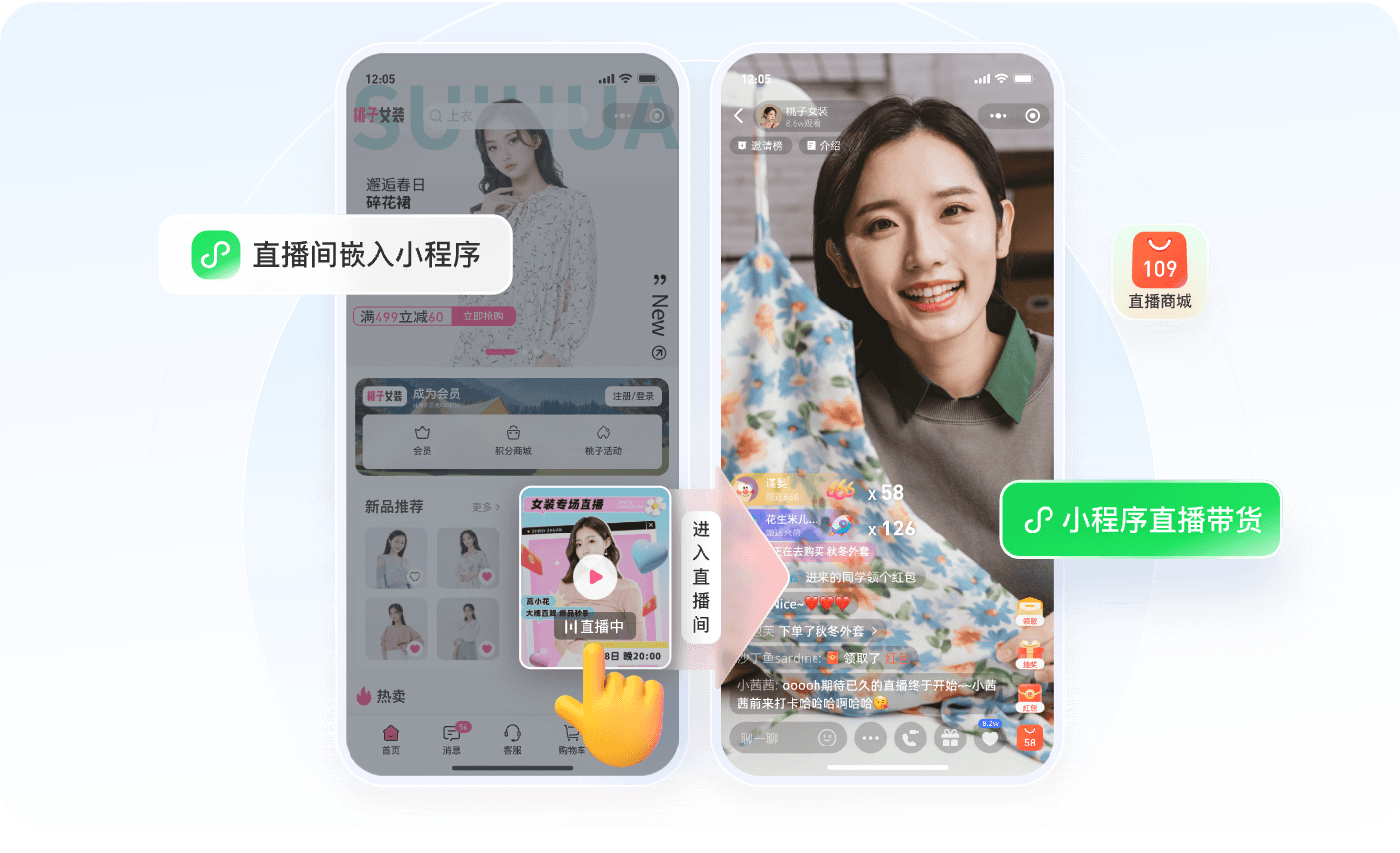
*Figure 1: A native SDK is suitable for embedding live streaming into the brand’s own mini-program business flow. Image source: POLYV Mini Program Live Streaming Solution*
For enterprises with mature mini programs and development teams, the native SDK’s main advantage is deep control. Live streaming becomes a business capability embedded into membership, products, leads, and operations.
02 When Is the uni-app Solution More Suitable?
If the mini program is developed with uni-app and the goal is to launch a complete live viewing page quickly, the uni-app solution is more suitable. The team does not need to rebuild the viewing page from scratch. It can introduce the component into the uni-app project, configure the channel, mount the page, and handle boundary events.
Its core value is reducing repeated development so that the team can focus on accounts, products, orders, and operations.
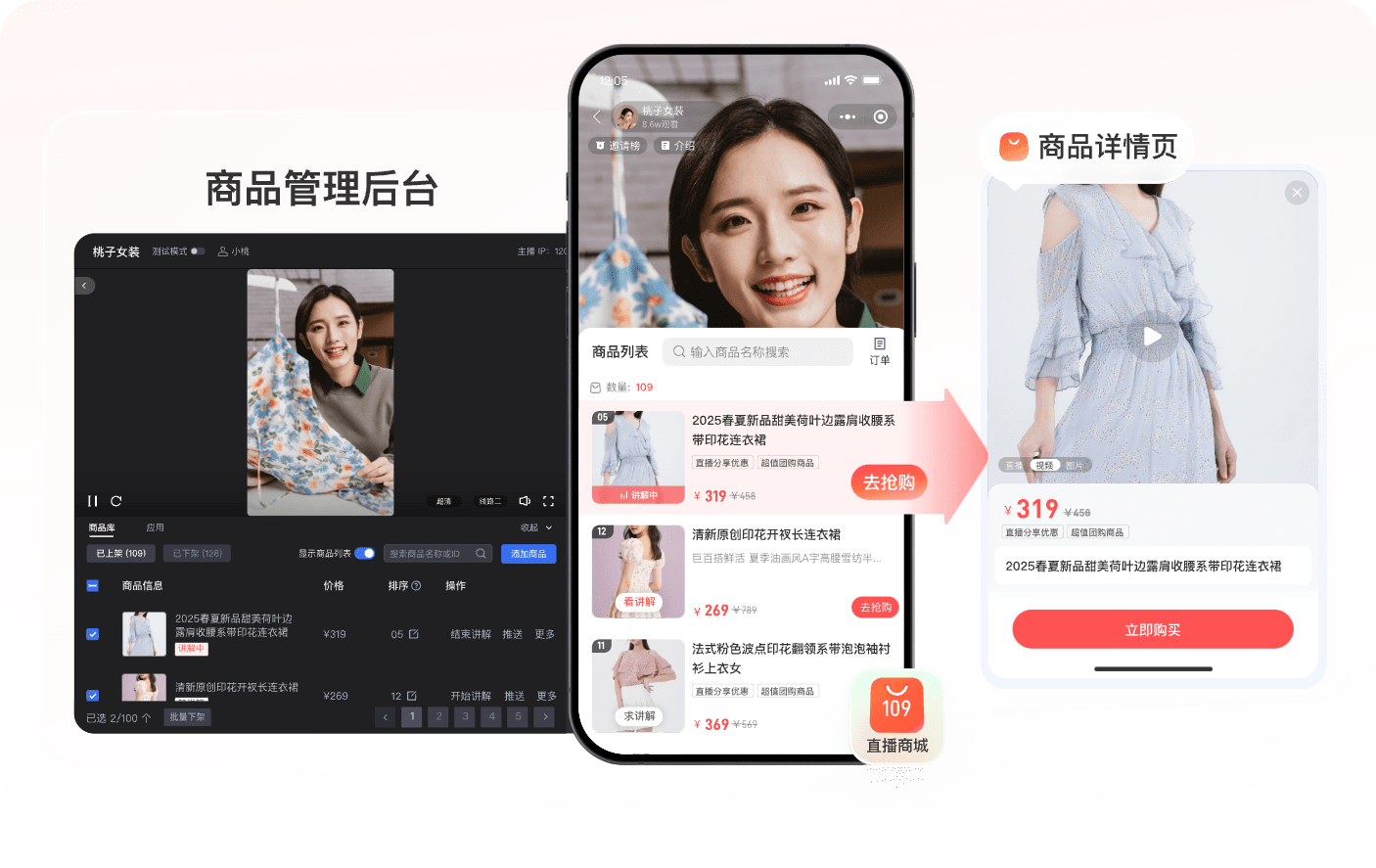
*Figure 2: Live products, interactions, and operations should be divided clearly from the brand’s own business system. Image source: POLYV Mini Program Live Streaming Solution*
03 How Should Enterprises Decide?
Use a simple rule: choose the native SDK when the project requires complex business integration and strong customization; choose the uni-app WeChat mini-program viewing-page solution when the priority is engineering reuse and faster validation.
The final decision should also consider service categories, plugin permissions, player capabilities, and real-device testing under the enterprise’s official mini-program AppID.
04 FAQ
4.1 Is the native SDK always better?
No. The native SDK is stronger for deep customization, while uni-app is stronger for reuse and launch speed.
4.2 Does the uni-app solution cover all endpoints?
This article focuses on the uni-app project compiled to the WeChat mini-program endpoint. App and H5 endpoints should be evaluated separately.
4.3 What should be confirmed first?
Technology stack, business-system boundaries, mini-program qualifications, player options, interaction needs, and data return logic.